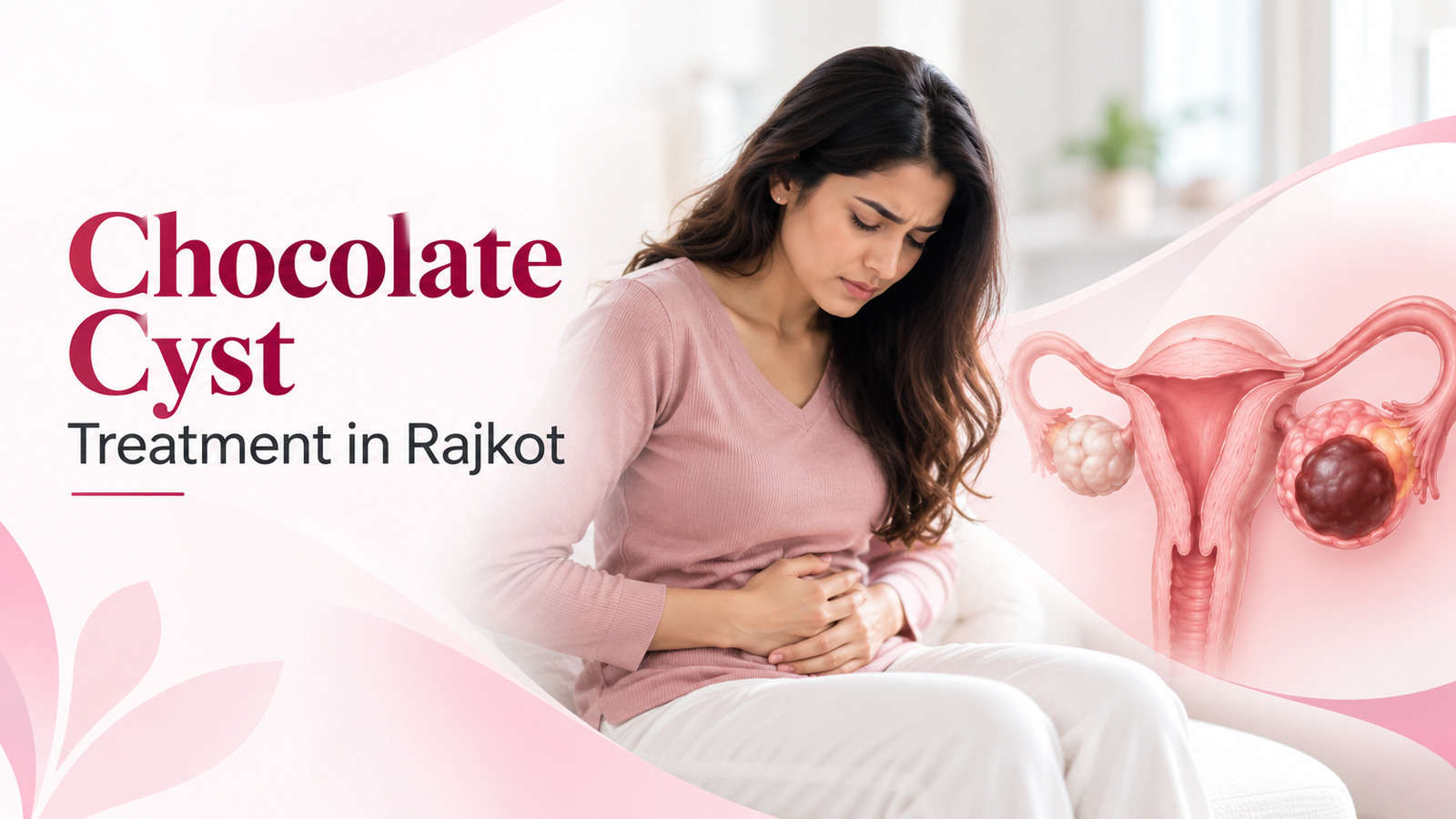
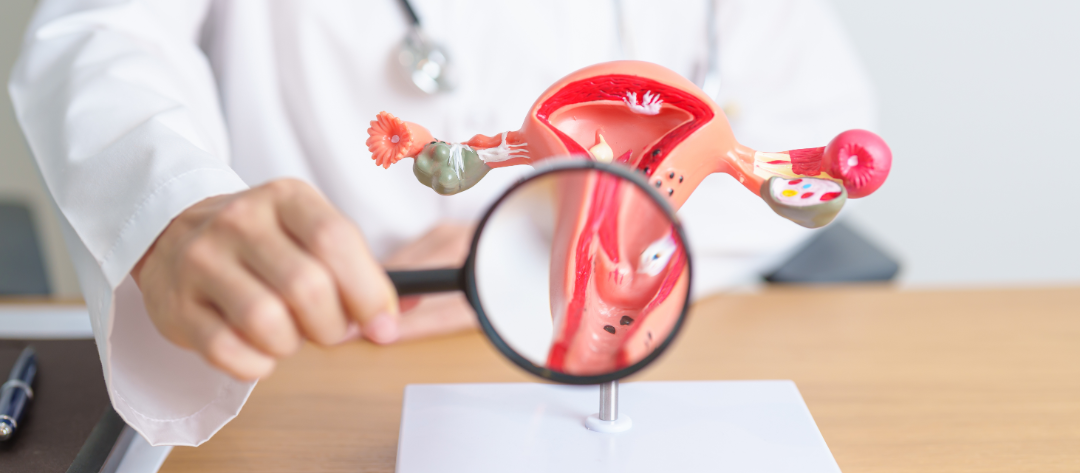
A chocolate cyst, medically known as an ovarian endometrioma, is a type of ovarian cyst associated with endometriosis. It develops when endometrial-like tissue grows around or within the ovary, and repeated bleeding leads to the accumulation of old blood inside the cyst.
While some chocolate cysts may be discovered during a routine ultrasound without causing major symptoms, others can be associated with pelvic pain, painful periods, painful intercourse, or difficulty conceiving.
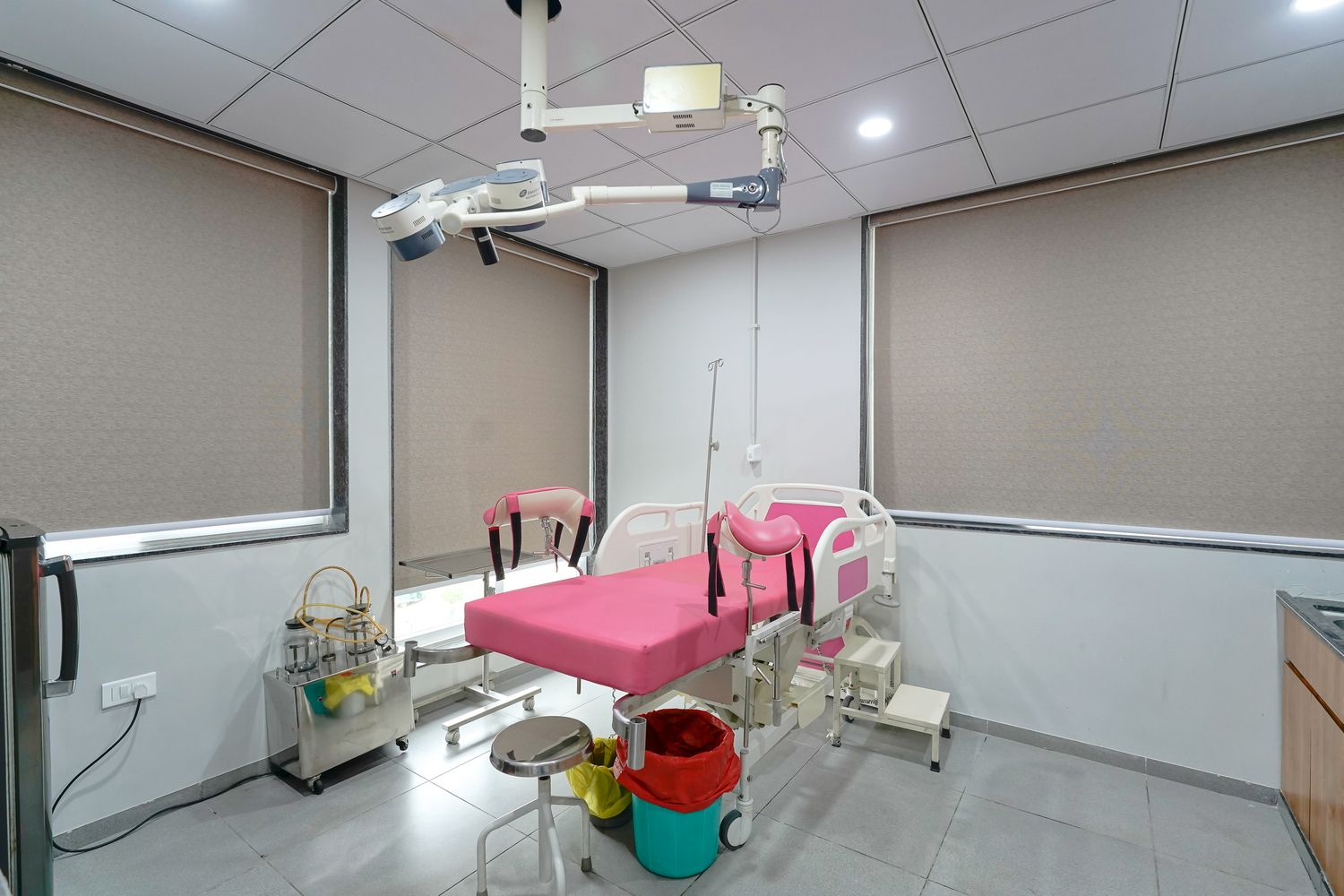
At Venus Women’s Hospital & IVF Center, Rajkot, women with suspected or diagnosed ovarian endometrioma can receive specialist evaluation, imaging, fertility assessment, and treatment planning based on their symptoms, cyst characteristics, and reproductive goals.
Not every ovarian cyst requires surgery. The appropriate approach depends on factors such as:
Size and appearance of the cyst
Symptoms and severity of pain
Whether the cyst is changing over time
Age and reproductive plans
Fertility concerns
Previous endometriosis treatment or surgery
Findings on ultrasound or other investigations
A specialist assessment can help determine whether monitoring, medical management, fertility-focused treatment or surgery should be considered.
A chocolate cyst may not always cause noticeable symptoms. When symptoms occur, they can include:
Pelvic or lower abdominal pain
Pain may be particularly noticeable around menstruation.
Painful periods
Periods may become significantly painful or interfere with daily activities.
Pain during intercourse
Deep pelvic discomfort during sexual activity can occur in some women with endometriosis.
Difficulty conceiving
Endometriosis and ovarian endometriomas may be associated with fertility challenges in some women.
Persistent pelvic discomfort
Ongoing pelvic pain should be evaluated rather than managed only with pain medication without understanding its cause.
Having one or more of these symptoms does not automatically mean that a woman has a chocolate cyst. Proper diagnosis is important.
Treatment begins with understanding the condition accurately.
Your symptoms, menstrual history, previous treatments and pregnancy plans are reviewed.
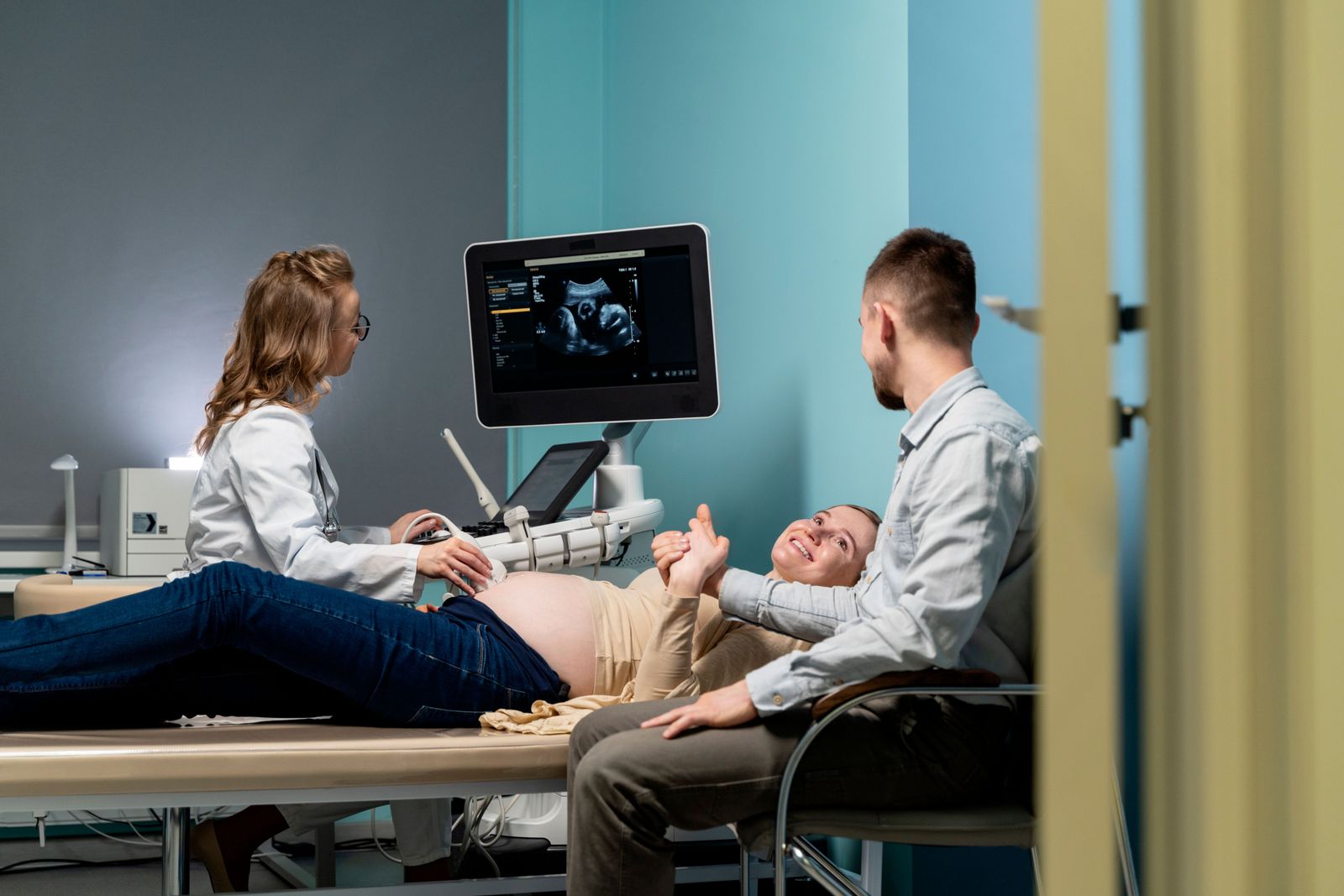
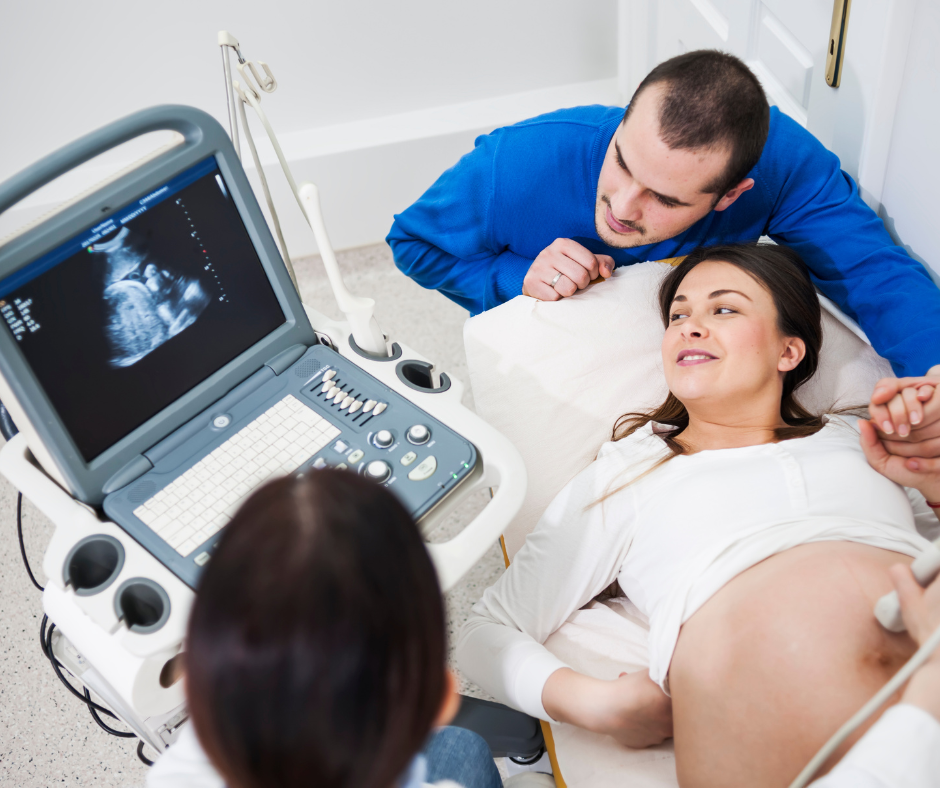
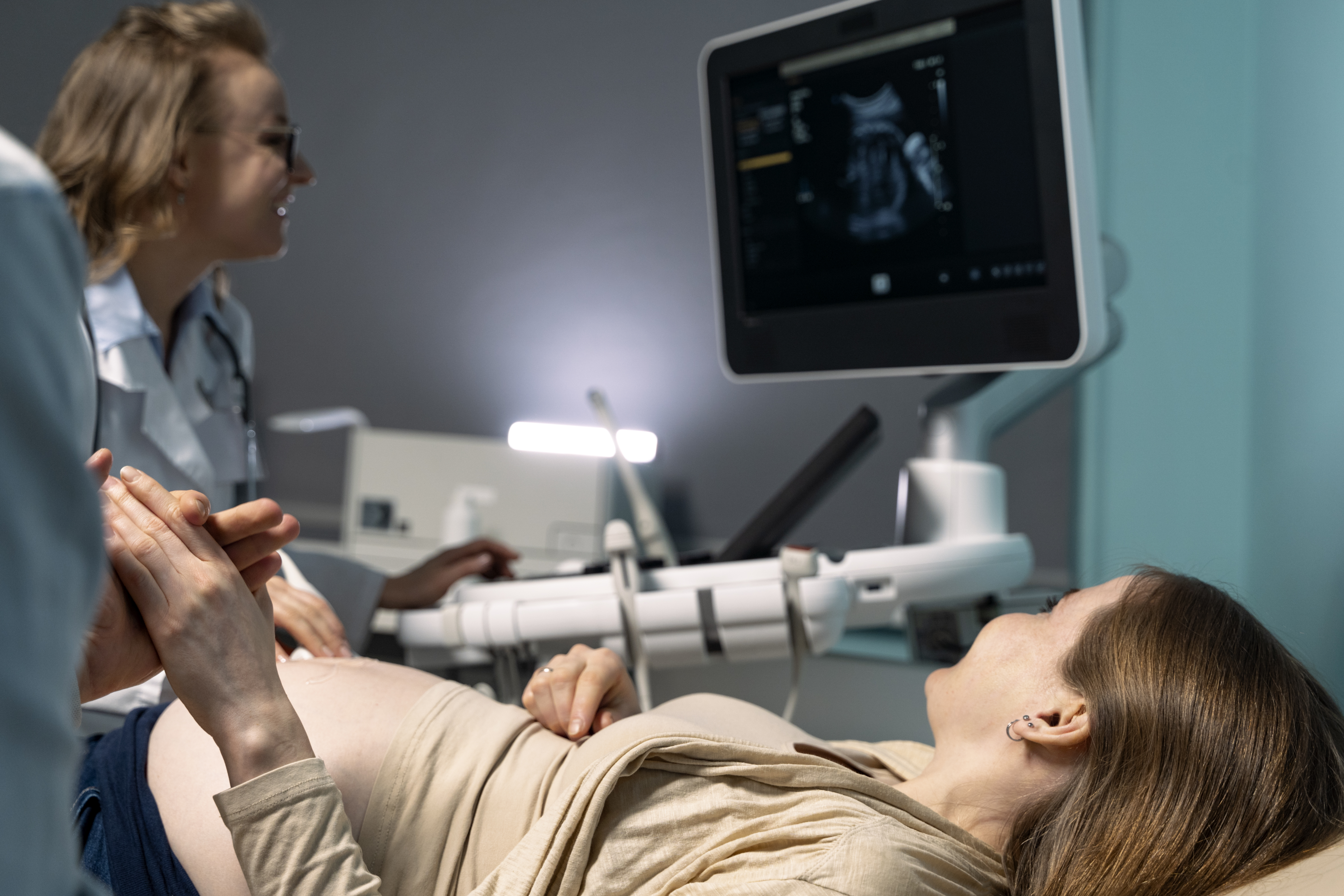
Ultrasound can help identify an ovarian cyst and provide information about its location, size and appearance.
If pregnancy is a current or future goal, ovarian reserve and other fertility factors may need to be considered before deciding on treatment.
Depending on the findings, your gynecologist may recommend additional investigations or specialist evaluation.
The diagnosis and treatment plan should be based on the complete clinical picture rather than cyst size alone.
There is no single treatment that is appropriate for every chocolate cyst.
At Venus Women’s Hospital & IVF Center, treatment planning can be based on the woman's symptoms, reproductive goals and clinical findings.
For selected patients, medication may be considered to help manage endometriosis-related symptoms.
Medical treatment may be particularly relevant when the primary concern is pain and surgery is not immediately required.
If a cyst does not require immediate intervention, your doctor may recommend monitoring with follow-up examinations and imaging.
This approach can be appropriate in selected situations where the benefits of immediate surgery do not outweigh the potential risks.
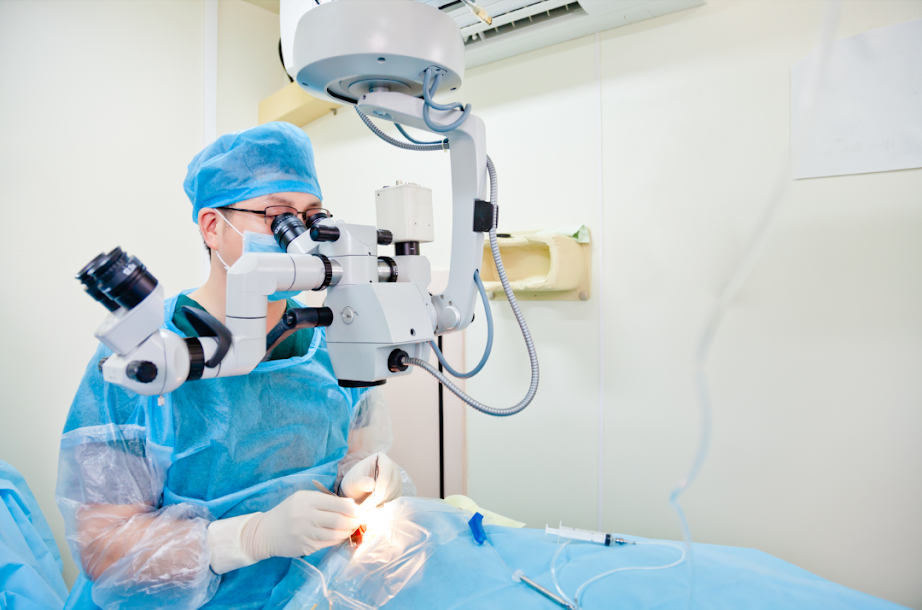
When surgery is considered appropriate, laparoscopy may be used as a minimally invasive surgical approach.
Depending on the individual case, laparoscopic treatment may involve removing the endometrioma while aiming to preserve as much healthy ovarian tissue as possible.
However, surgery itself can affect ovarian reserve in some circumstances. Therefore, the decision should be individualized - particularly for women who are planning pregnancy.
One of the most important questions women ask is:
“Will a chocolate cyst affect my chances of getting pregnant?”
The answer depends on the individual situation.
Endometriosis and ovarian endometriomas may be associated with fertility difficulties, but the presence of a chocolate cyst does not automatically mean that pregnancy is impossible.
When fertility is a priority, treatment planning should consider:
Age
Ovarian reserve
Cyst characteristics
Other fertility factors
Previous ovarian surgery
Duration of infertility
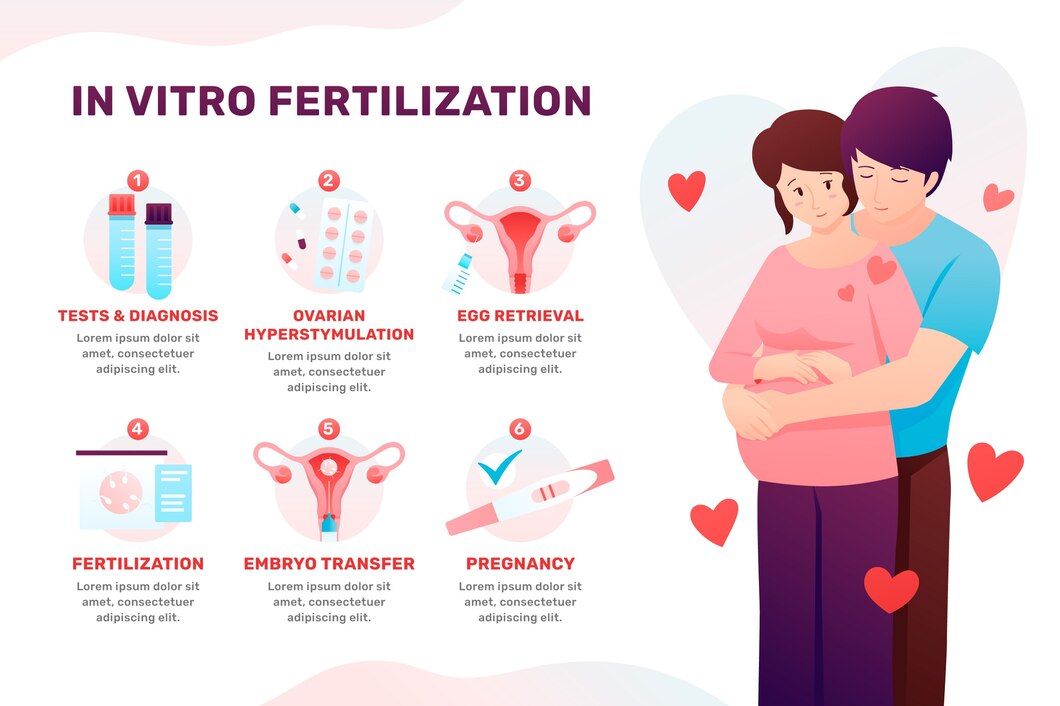
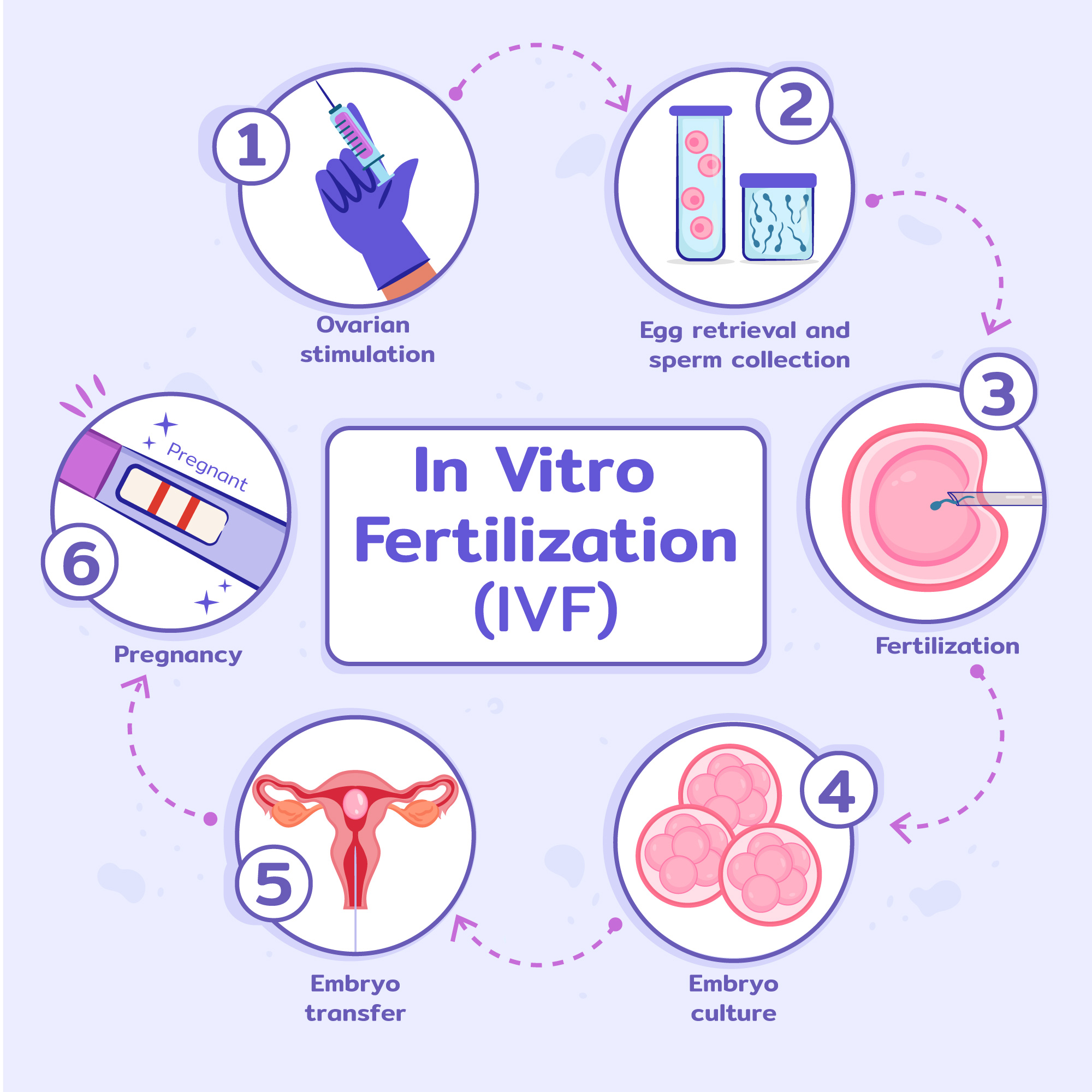
Whether natural conception, IUI or IVF is being considered
In some women, fertility treatment may be considered without immediate cyst surgery, while in others surgery may have a specific role. A fertility-focused evaluation can help determine the appropriate pathway.
Gynecology, fertility and pregnancy-related concerns can be evaluated within a women's healthcare setting.
Treatment decisions can take reproductive plans and fertility considerations into account, particularly when ovarian surgery is being discussed.
Cases requiring endoscopic or laparoscopic evaluation can be assessed by experienced gynecological and endoscopic specialists.
The appropriate approach may range from observation and medical management to surgery or fertility treatment, depending on individual findings.
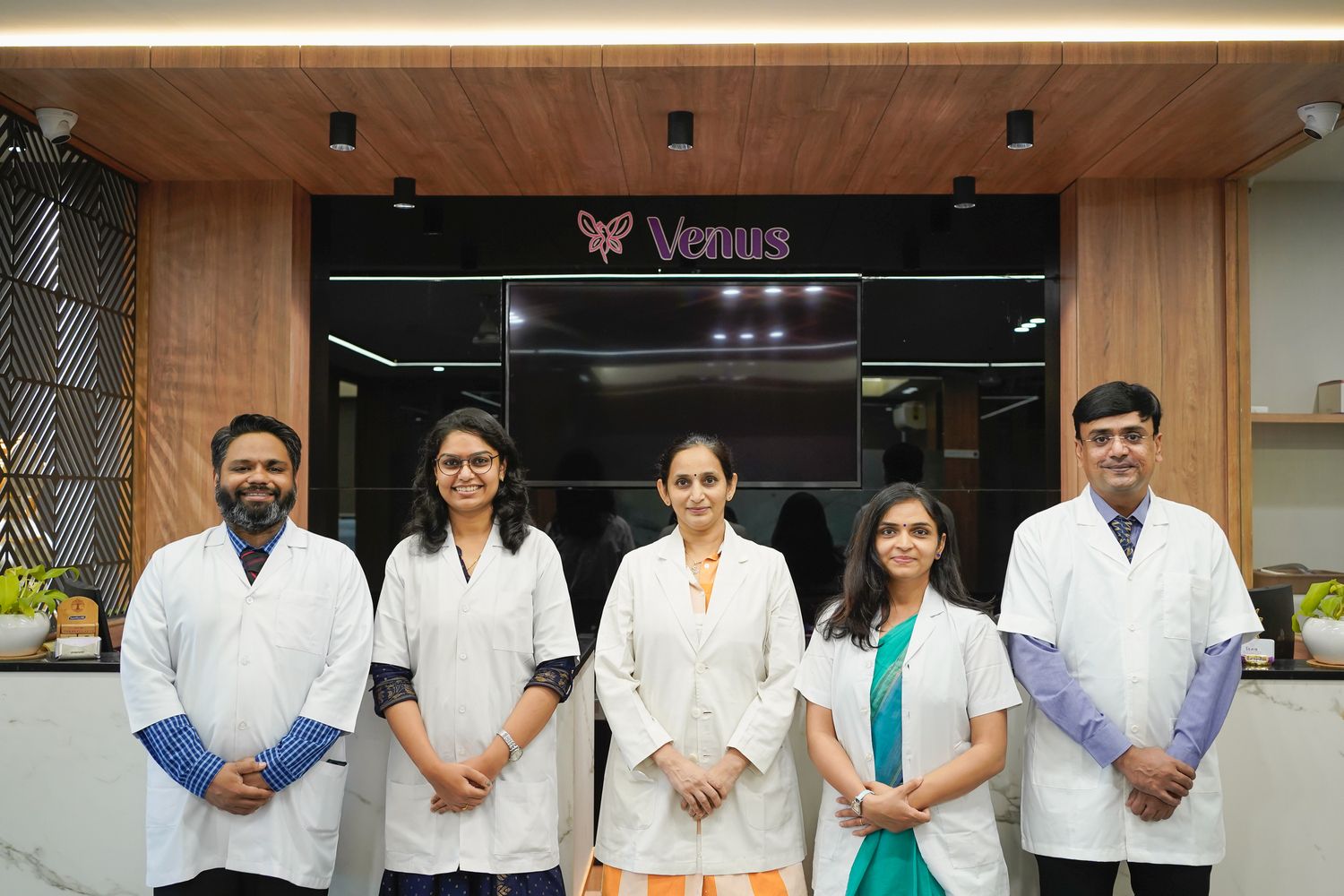
MBBS, DGO, DNB, MNAMS
Sonologist | IVF Specialist
MBBS, DGO
Infertility Specialist | High-Risk Pregnancy Expert
MD, Diploma in ART (Germany)
IVF Specialist | Endoscopic Surgeon
MD (OBS & GYNAEC)
Advanced Endoscopic Surgeon | High-Risk Pregnancy Expert
A chocolate cyst is associated with endometriosis and should be evaluated by a gynecologist. The appropriate management depends on its characteristics, symptoms and the woman's overall situation.
No. Surgery is not automatically required for every ovarian endometrioma. Observation or medical management may be considered in selected cases.
Endometriosis and ovarian endometriomas can be associated with fertility difficulties in some women. However, a chocolate cyst does not automatically mean that pregnancy is impossible.
Laparoscopic surgery may be considered in selected cases. Whether it is appropriate depends on factors such as symptoms, cyst characteristics, previous treatment, and fertility plans.
Pregnancy may be possible after treatment, but fertility outcomes vary between individuals. Age, ovarian reserve, endometriosis severity and other fertility factors all matter.
If you are planning pregnancy or have been trying to conceive, discussing the cyst with a fertility specialist can help ensure that treatment decisions also consider your reproductive goals.
If you have been diagnosed with an ovarian chocolate cyst, experience persistent pelvic pain, or are concerned about endometrioma and fertility, specialist evaluation can help you understand your treatment options.
Venus Women’s Hospital & IVF Center
Vijay, Ramdham-2 Corner, Near KKV Circle,
Beside SBI Bank, Kalavad Road, Rajkot – 360005
Phone: +91 90999 00181 | +91 90999 00182
Email: venuswomenshospital@gmail.com
OPD Timings:
Monday–Friday: 10:00 AM–01:00 PM | 05:00 PM–07:30 PM
Saturday: 10:00 AM–01:00 PM
Sunday: Emergency Services Only
Discuss your symptoms, ultrasound findings and fertility goals with a women's health specialist to understand whether your chocolate cyst requires monitoring, medical treatment, surgery or fertility-focused care.











.png)






.png)
.png)