
<meta charset="utf-8" />
Pregnancy is a journey that needs regular medical supervision—not only during the months of pregnancy but also after delivery.
At Venus Women’s Hospital & IVF Center, Rajkot, pregnancy and post-delivery care is focused on supporting the mother through different stages of pregnancy, monitoring maternal and fetal health, identifying potential concerns early, and providing appropriate follow-up after childbirth.
Whether you are planning your first pregnancy, already pregnant, or recovering after delivery, regular care can help your doctor understand your changing health needs and guide you through the next stage.
Pregnancy care is more than routine check-ups. Depending on your pregnancy stage and individual needs, your care may include:
Initial pregnancy evaluation
Regular antenatal check-ups
Maternal health monitoring
Fetal growth and development monitoring
Blood and urine investigations
Pregnancy-related ultrasound and imaging
Blood pressure and blood sugar monitoring
Nutrition and lifestyle guidance
Screening for pregnancy complications
High-risk pregnancy assessment when required
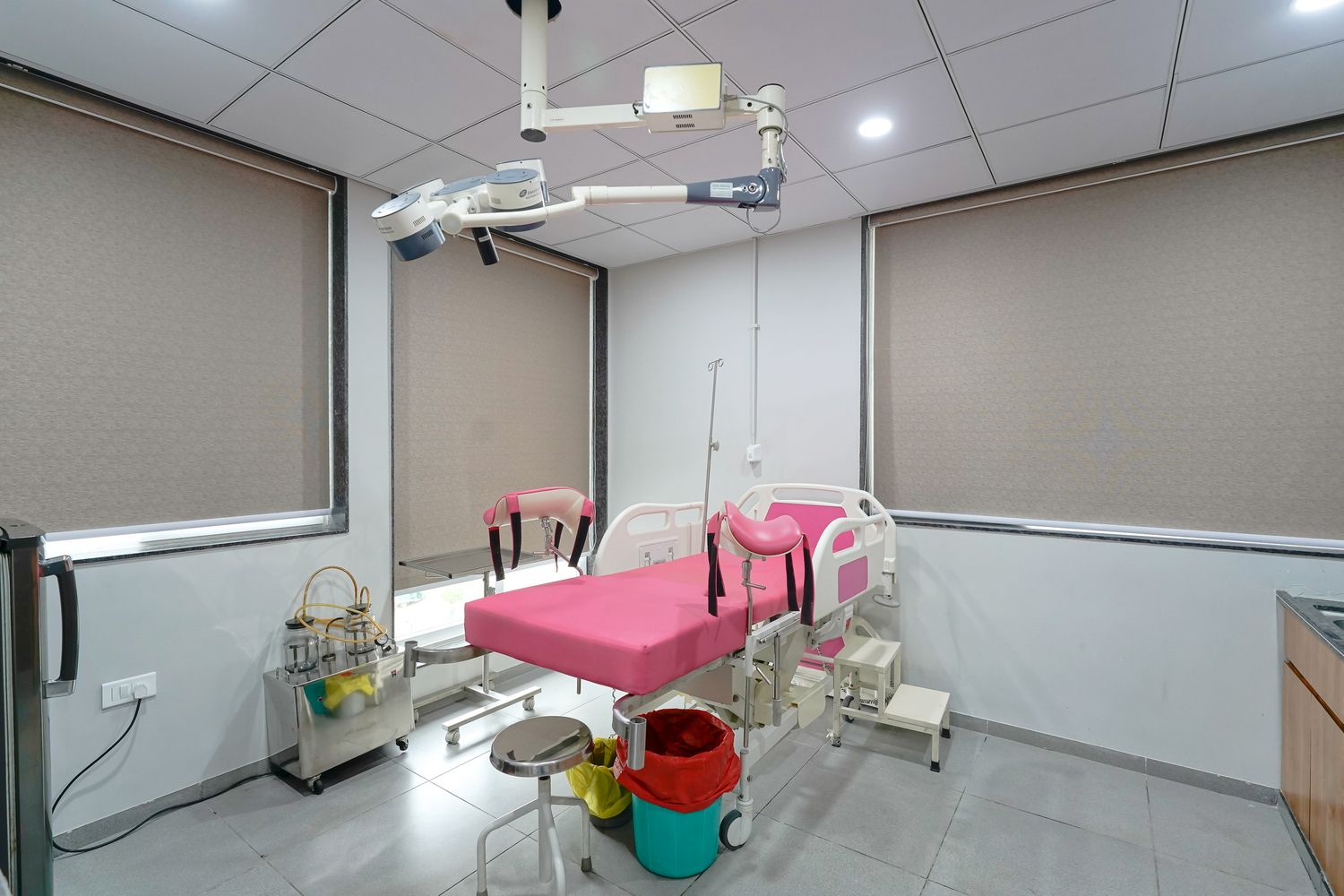
Delivery planning
Post-delivery maternal assessment
Breastfeeding guidance
Postpartum recovery monitoring
Follow-up after vaginal delivery or C-section
The exact schedule and investigations depend on your health, pregnancy stage, and medical history.
The first few weeks of pregnancy are an important time to confirm the pregnancy, review your medical history, and establish an appropriate prenatal care plan.
Your doctor may assess:
Pregnancy location and development
Previous pregnancy history
Existing medical conditions
Medications
Blood group and relevant investigations
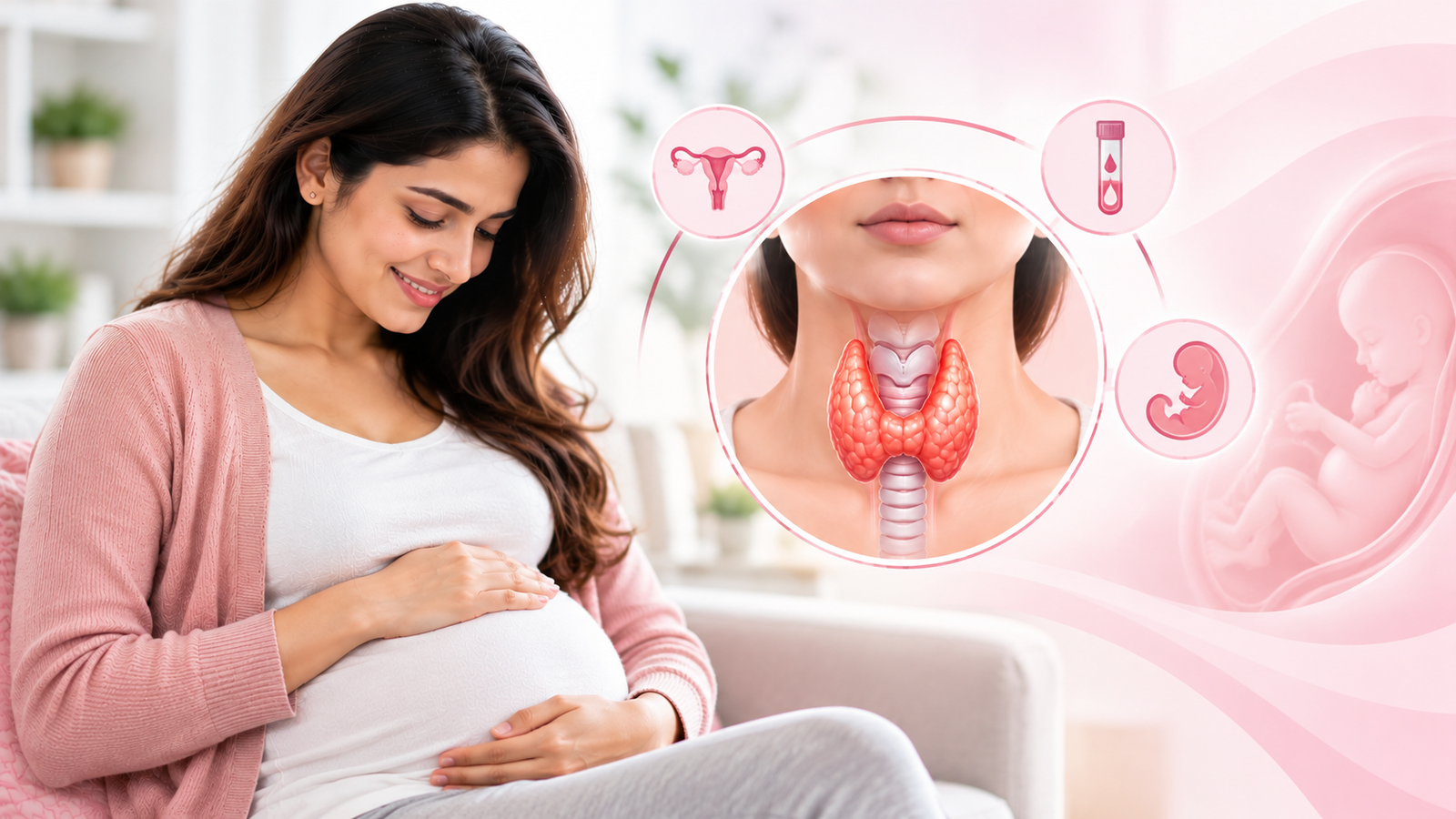
Thyroid or diabetes-related concerns when indicated
Risk factors requiring closer monitoring
Early consultation can help establish the right follow-up plan for your pregnancy.
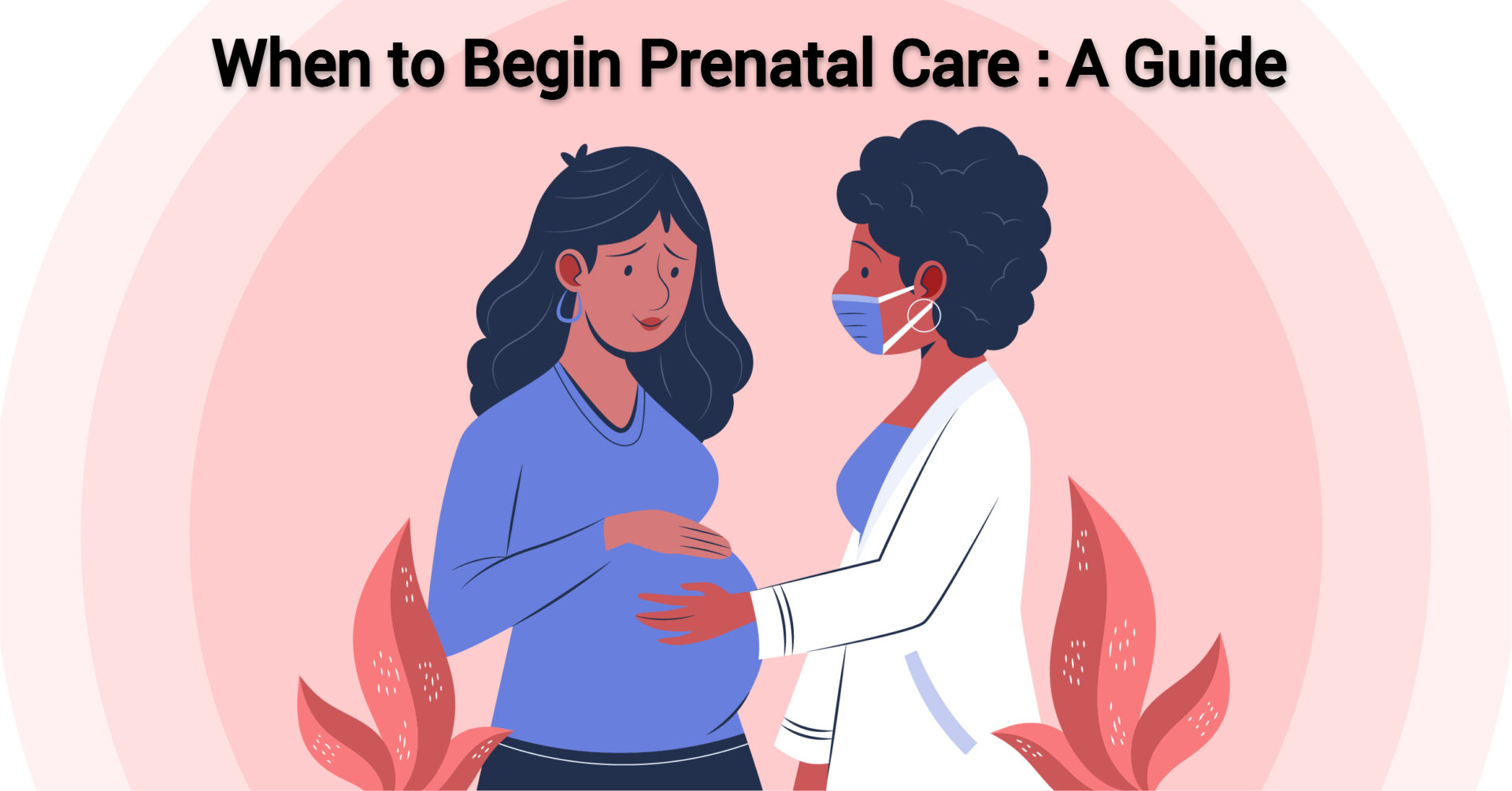
As pregnancy progresses, regular antenatal visits allow your doctor to monitor both maternal and fetal well-being.
Depending on the stage of pregnancy, appointments may involve assessment of:
Mother's health
Blood pressure, weight, symptoms,s and other relevant health parameters.
Baby's development
Clinicians can assess fetal growth and development through clinical evaluation and appropriate ultrasound examinations.
Pregnancy-related conditions
Conditions such as gestational diabetes, anemia, thyroid disorders, rs or high blood pressure may require specific monitoring and management.
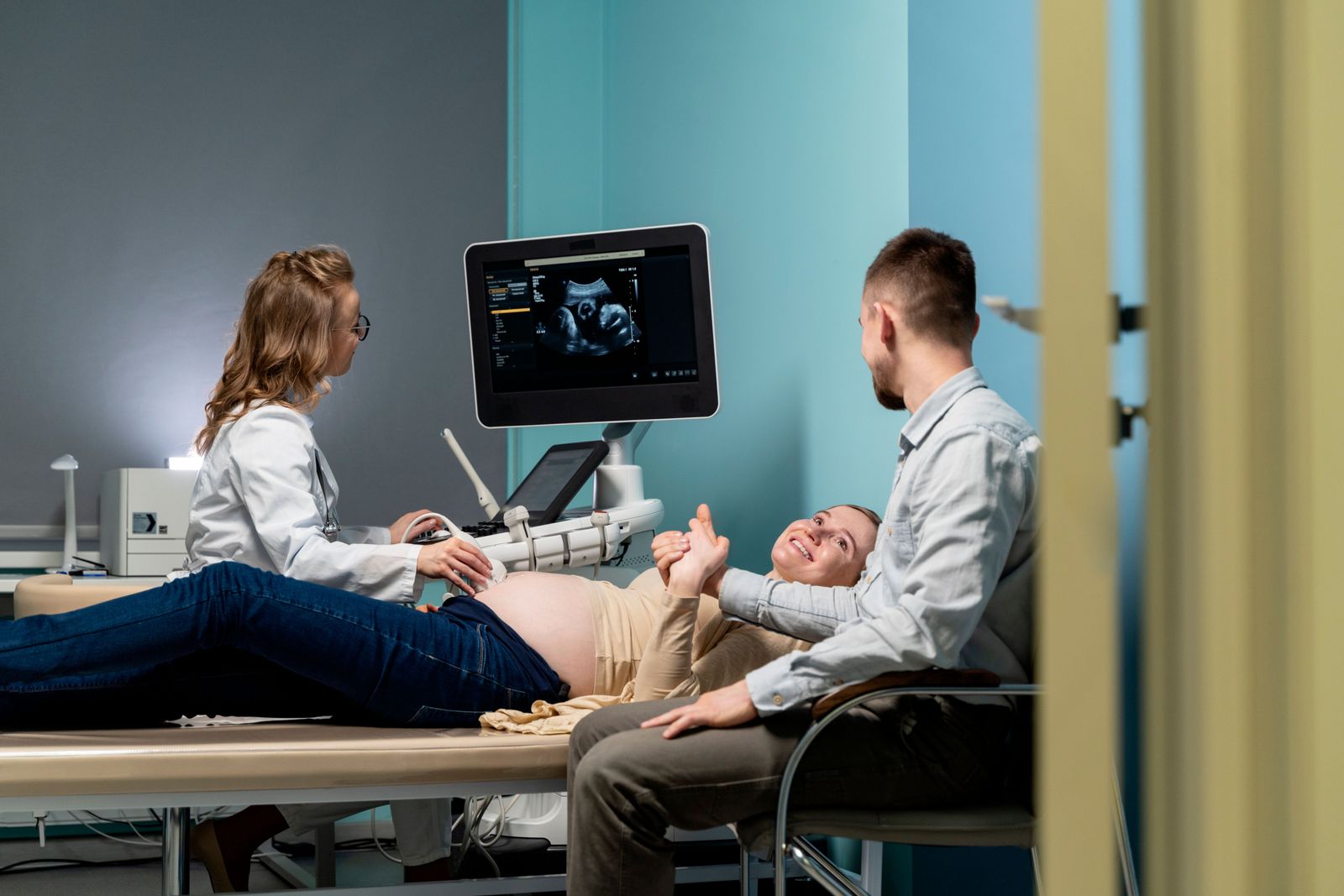
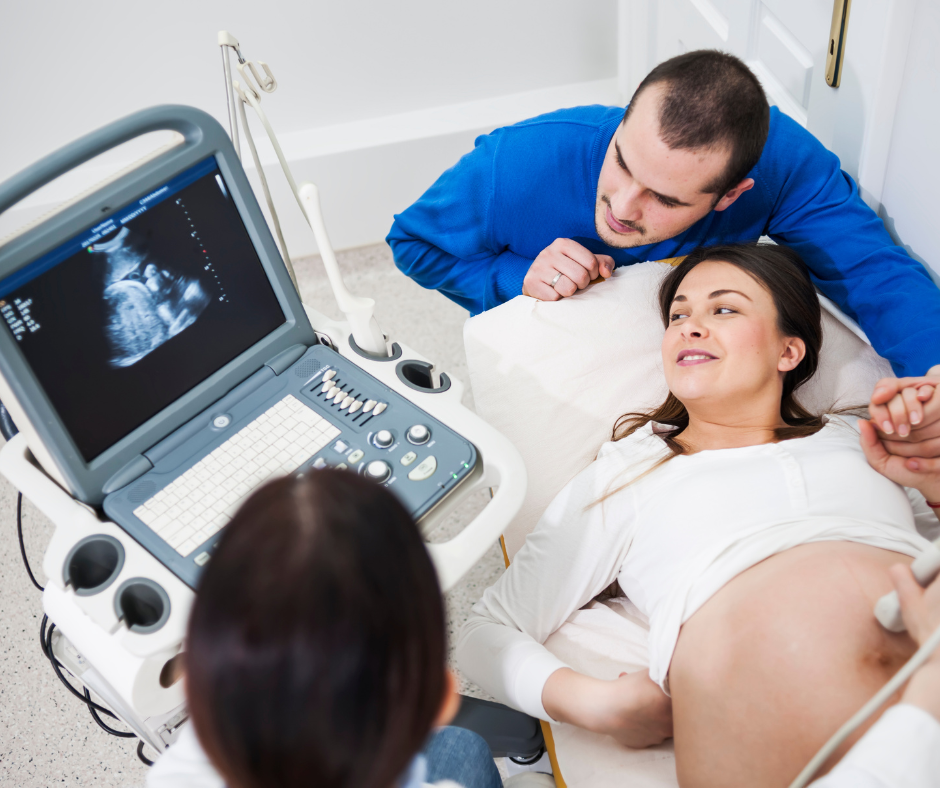
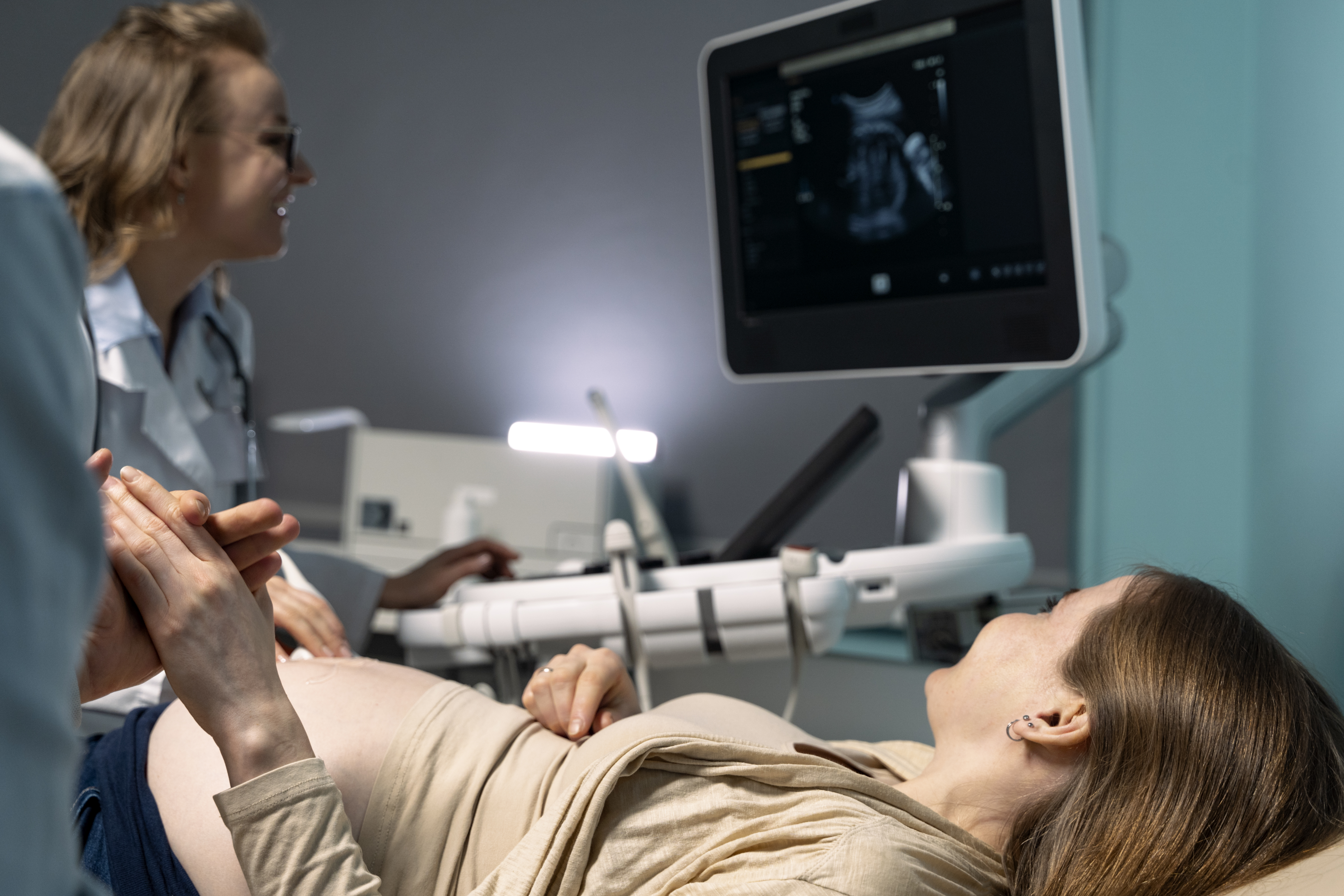
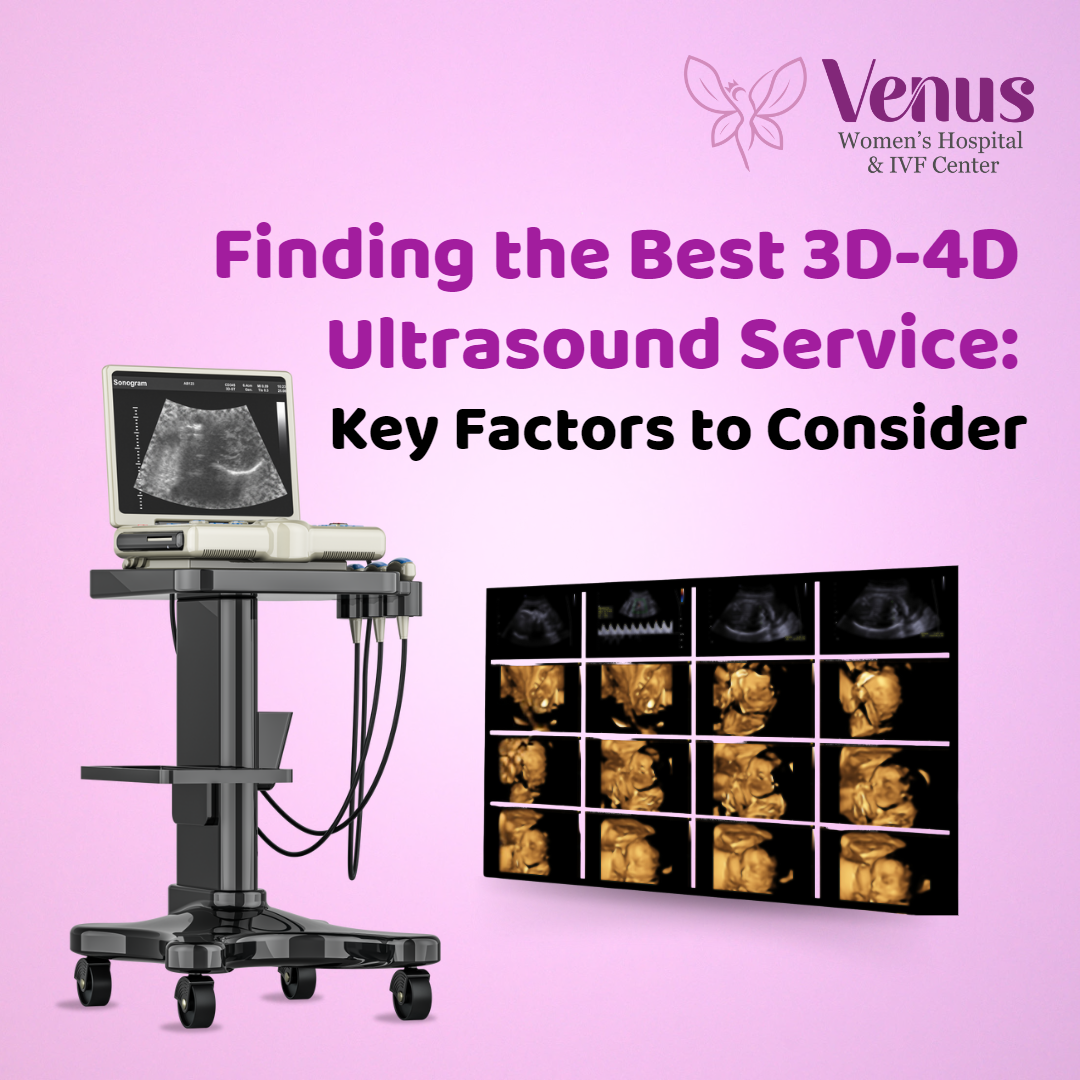
Ultrasound is an important part of pregnancy care and may be recommended at different stages for different clinical purposes.
Depending on the pregnancy and medical indication, ultrasound may help evaluate:
Fetal growth
Fetal development
Placental location
Amniotic fluid
Fetal position
Other pregnancy-related findings
The timing and type of ultrasound should be decided by your obstetrician based on your pregnancy.
Some pregnancies need closer observation because of maternal health conditions, previous pregnancy complications,ons or other risk factors.
Additional monitoring may be considered in situations such as:
Gestational diabetes
High blood pressure during pregnancy
Thyroid disorders
Previous pregnancy loss
Multiple pregnancy
Previous C-section
Maternal age-related risk factors
Other medical or obstetric concerns
A high-risk pregnancy does not mean that complications are certain. It means the pregnancy may require more individualized monitoring and medical planning.
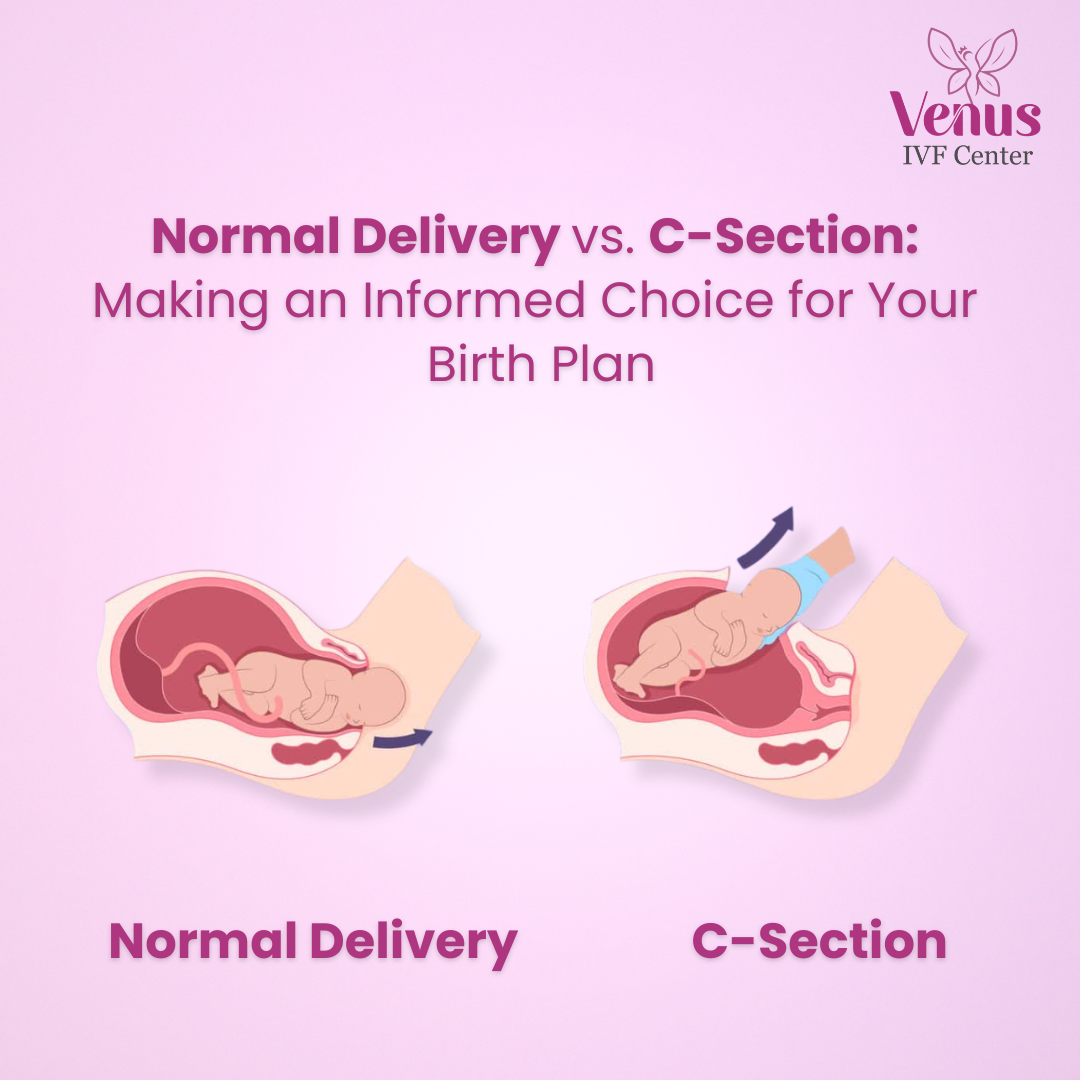
As the pregnancy approaches its later stages, your doctor can discuss delivery planning based on your pregnancy progress and clinical findings.
The delivery plan may depend on:
Baby's position
Fetal and maternal health
Previous delivery history
Cervical and labor-related findings
Placental conditions
Pregnancy complications
Other obstetric considerations
The mode of delivery is a medical decision based on the circumstances at the time.
Care does not end after childbirth.
The postpartum period involves significant physical and emotional changes, and appropriate follow-up can help identify problems early.
Post-delivery care may include assessment of:
Your doctor may evaluate recovery following vaginal delivery or C-section, including pain, bleeding, wound healing, ling and other symptoms.
New mothers may have questions about breastfeeding, feeding frequency, breast discomfort, and recovery after delivery. Guidance can be provided according to individual needs.
A nutritious diet and adequate hydration support recovery and breastfeeding. Individual dietary requirements may vary depending on the mother's health and delivery circumstances.
Persistent or unusual symptoms should not simply be considered a normal part of recovery. Medical assessment may be required depending on the symptom.
Recovery after a C-section can be different from recovery after a vaginal delivery.
Follow-up may include attention to:
Incision and wound healing
Pain management
Mobility
Bleeding
Nutrition
Breastfeeding
Activity progression
Warning signs of infection or other complications
Your doctor can provide individual instructions regarding physical activity, wound care, and follow-up.
Seek medical advice if you experience concerning symptoms such as:
Heavy or unusual bleeding
Fever
Increasing abdominal or pelvic pain
Problems with the C-section incision
Severe headache or visual changes
Breathing difficulty or chest pain
Significant swelling or other unusual symptoms
Persistent emotional or psychological distress
Some postpartum symptoms require prompt medical attention.
Regular prenatal follow-up allows maternal and fetal health to be assessed throughout pregnancy.
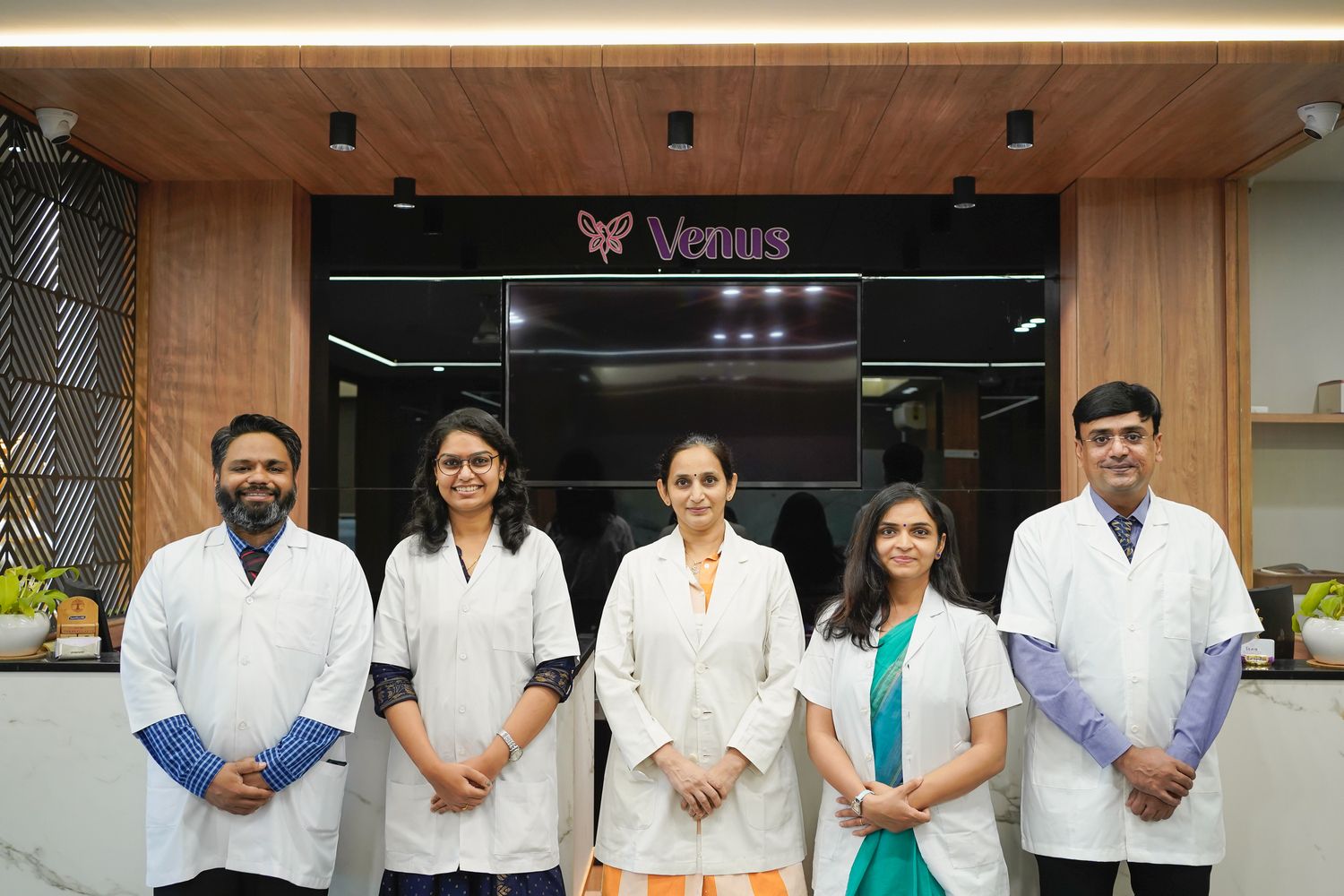
Pregnancy-related care is provided within a women's healthcare environment with specialists experienced in obstetrics, gynecology, fertility,y and pregnancy-related concerns.
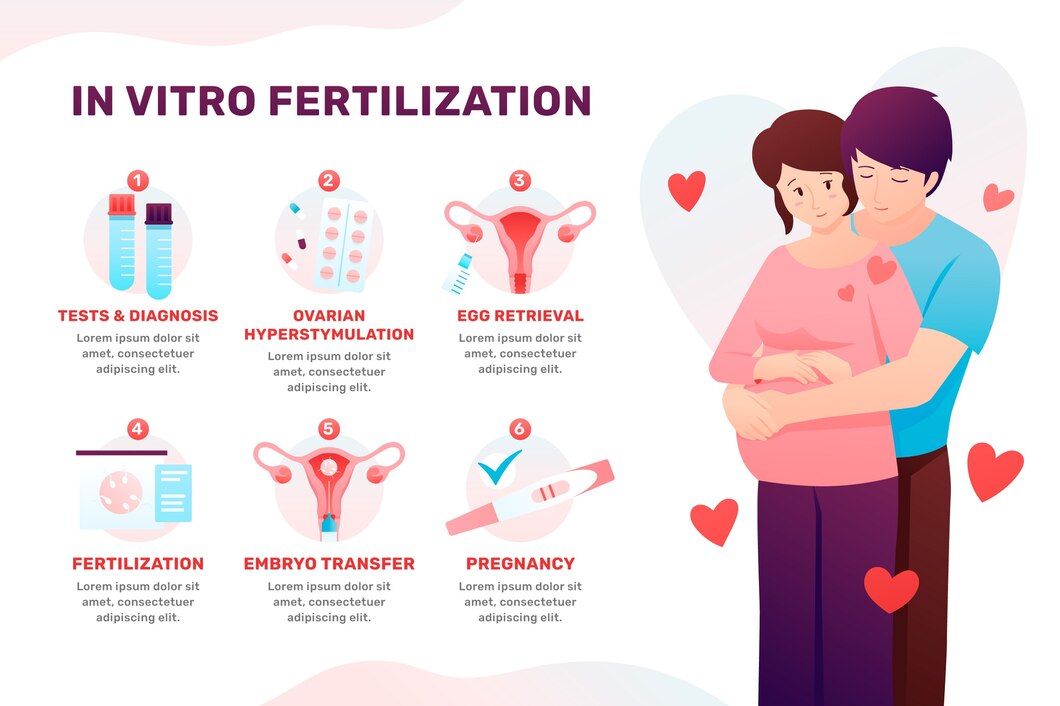
For women who have conceived after fertility treatment or have underlying fertility-related concerns, pregnancy care can be coordinated with the broader reproductive health journey.
Post-delivery follow-up helps address maternal recovery, breastfeeding concerns, ns and postpartum health after childbirth.
MBBS, DGO, DNB, MNAMS
Sonologist | IVF Specialist
MBBS, DGO
Infertility Specialist | High-Risk Pregnancy Expert
MD, Diploma in ART (Germany)
IVF Specialist | Endoscopic Surgeon
MD (OBS & GYNAEC)
Advanced Endoscopic Surgeon | High-Risk Pregnancy Expert
Pregnancy care may include antenatal consultations, maternal and fetal monitoring, blood and urine tests, appropriate ultrasound, screening for pregnancy complications,ons and delivery planning.
The frequency of prenatal visits depends on your pregnancy stage healthe, health, and risk factors. Your obstetrician will create an appropriate follow-up schedule.
Yes. Vaginal delivery still involves significant physical and hormonal changes. Postpartum follow-up can help assess recovery, breastfeeding, and overall maternal health.
Yes. C-section recovery includes additional attention to the surgical incision, pain, mobility, and wound healing along with routine postpartum care.
Your healthcare provider can recommend the appropriate timing based on your delivery, health, and recovery. Additional visits may be needed if you develop concerning symptoms.
Yes. Choosing a center that provides both pregnancy and postpartum care can make follow-up more coordinated throughout the maternal care journey.
Whether you are newly pregnant, approaching delivery, or looking for professional postpartum follow-up, appropriate medical care can help you navigate each stage with an individualized plan.
Venus Women’s Hospital & IVF Center
Vijay, Ramdham-2 Corner, Near KKV Circle,
Beside SBI Bank, Kalavad Road, Rajkot – 360005
Phone: +91 90999 00181 | +91 90999 00182
Email: venuswomenshospital@gmail.com
OPD Timings:
Monday–Friday: 10:00 AM–01:00 PM | 05:00 PM–07:30 PM
Saturday: 10:00 AM–01:00 PM
Sunday: Emergency Services Only
For personalized pregnancy and post-delivery care in Rajkot, schedule a consultation with the Venus Women’s Hospital & IVF Center team and discuss your pregnancy stage, health history, and care requirements.












.png)







.png)
.png)