
<meta charset="utf-8" />
Gestational diabetes is a form of diabetes first recognized during pregnancy. It can occur even when a woman did not have diabetes before pregnancy.
Because blood sugar levels can affect both maternal and fetal health, gestational diabetes requires proper evaluation, monitoring and management throughout pregnancy.
At Venus Women’s Hospital & IVF Center, Rajkot, women diagnosed with gestational diabetes can receive pregnancy-focused care that combines blood sugar monitoring with antenatal assessment and individualized management.
The goal is not simply to check blood sugar—it is to support a healthy pregnancy while monitoring the mother and baby's well-being.
During pregnancy, hormonal changes can increase insulin resistance. In some women, the body cannot produce enough insulin to maintain blood glucose within the desired range, resulting in gestational diabetes.
GDM often does not cause obvious symptoms, which is why screening during pregnancy is important.
According to the CDC, gestational diabetes is generally screened for between 24 and 28 weeks of pregnancy, although women with certain risk factors may require earlier testing.
A diagnosis does not mean that complications are inevitable. Appropriate management can help reduce pregnancy-related risks.
Your obstetrician may recommend glucose testing based on your pregnancy stage and individual risk factors.
Risk factors may include:
Previous gestational diabetes
Overweight or obesity
Family history of type 2 diabetes
Previous baby with high birth weight
Polycystic ovary syndrome
Previous abnormal glucose testing
Certain ethnic or genetic risk factors
Other medical considerations
However, gestational diabetes can also develop in women without obvious risk factors.
Therefore, following your pregnancy screening schedule is important.
Testing may involve a glucose challenge or oral glucose tolerance test depending on the screening approach being used.
Your doctor may evaluate:
Blood glucose levels
Timing of glucose measurements
Pregnancy stage
Previous diabetes history
Other maternal risk factors
A single home glucose reading should not be used to diagnose gestational diabetes unless it is part of a medically directed testing plan.
If your results are abnormal, your obstetrician can explain what they mean and whether additional testing or monitoring is needed.
Treatment is individualized.
Depending on your blood glucose readings and pregnancy condition, management may include:
A balanced pregnancy diet can help manage carbohydrate intake while ensuring adequate nutrition for mother and baby.
A dietitian or healthcare professional may help you understand:
Meal portions
Carbohydrate choices
Protein intake
Meal timing
Snacks
Appropriate weight gain during pregnancy
The objective is not to stop eating carbohydrates completely but to create a nutritionally balanced eating pattern appropriate for pregnancy.
Some women may be asked to monitor blood glucose at home.
Your healthcare provider may recommend checking glucose at specific times, such as before or after meals.
The exact testing schedule and target ranges should come from your treating team because targets can vary according to the clinical situation and guideline used.
When there are no pregnancy-related restrictions, appropriate physical activity may help improve insulin sensitivity and blood glucose control.
Your obstetrician can advise what level and type of activity is appropriate for your pregnancy.
Some women are unable to achieve their recommended glucose targets through nutrition and physical activity alone.
In such situations, medication may be required.
Insulin is commonly used when medication is needed during pregnancy, and the appropriate treatment depends on the patient's circumstances.
Medication should never be started, stopped or adjusted without medical supervision.
Gestational diabetes affects more than blood sugar.
Your obstetrician may monitor the pregnancy for factors such as:
Maternal blood pressure
Maternal weight and overall health
Fetal growth
Amniotic fluid
Baby's position
Other pregnancy-related complications
The type and frequency of monitoring depend on your glucose control and overall pregnancy risk.
When blood glucose remains high and is not adequately managed, gestational diabetes can be associated with pregnancy complications.
Depending on the situation, risks can include:
Baby growing larger than expected
Difficult delivery
Increased likelihood of cesarean delivery
High blood pressure and preeclampsia
Low blood sugar in the newborn after birth
Other neonatal complications
Good glucose control and appropriate prenatal care can help reduce these risks.
This does not mean every woman with gestational diabetes will experience these complications.
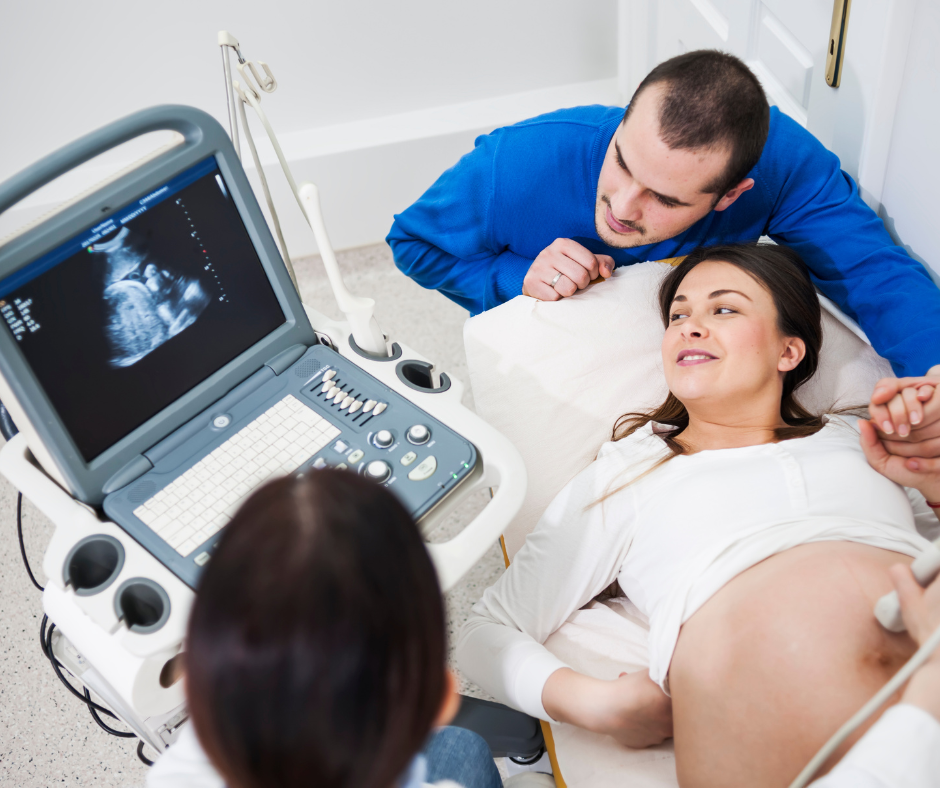
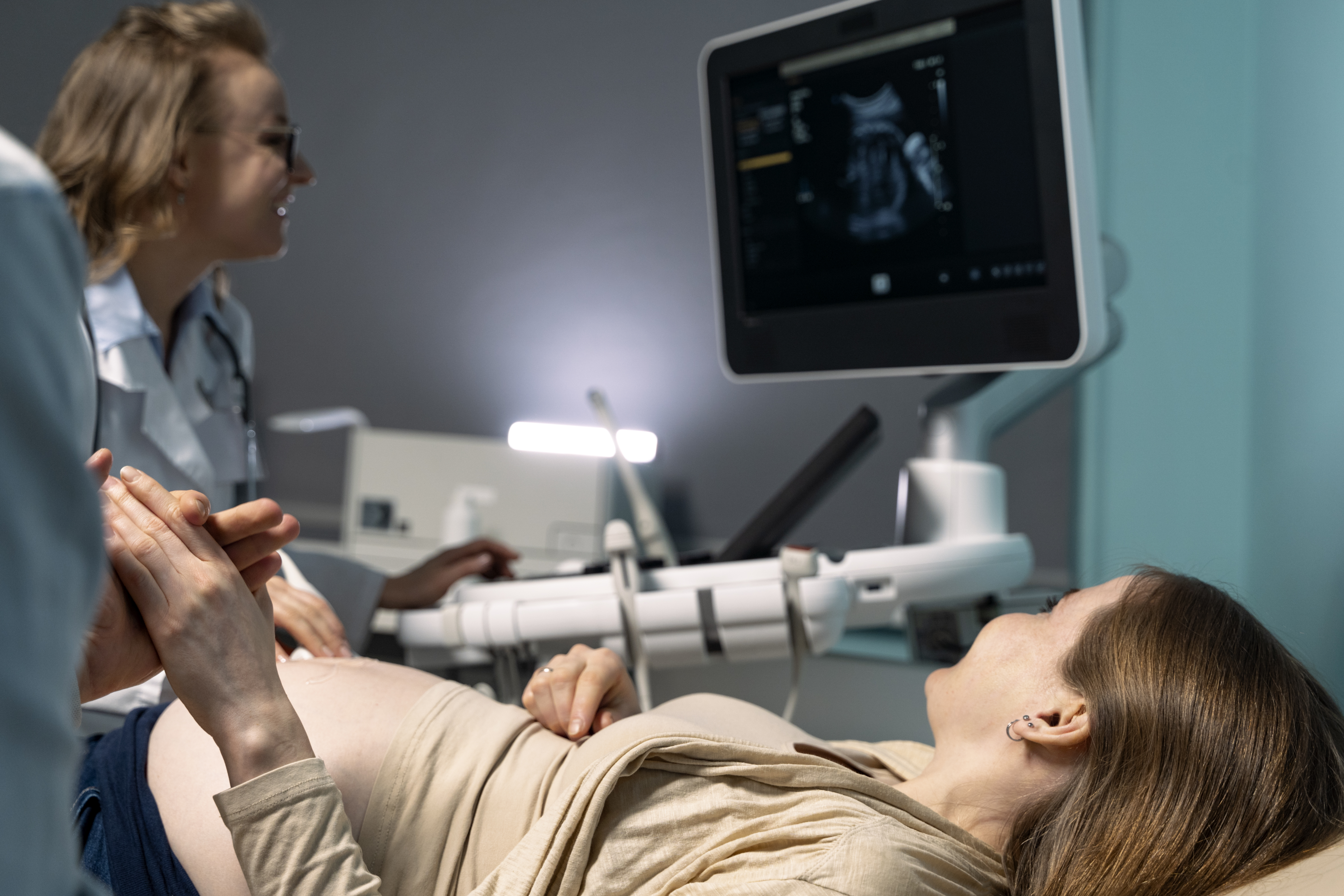
One important part of pregnancy management is monitoring the baby's growth.
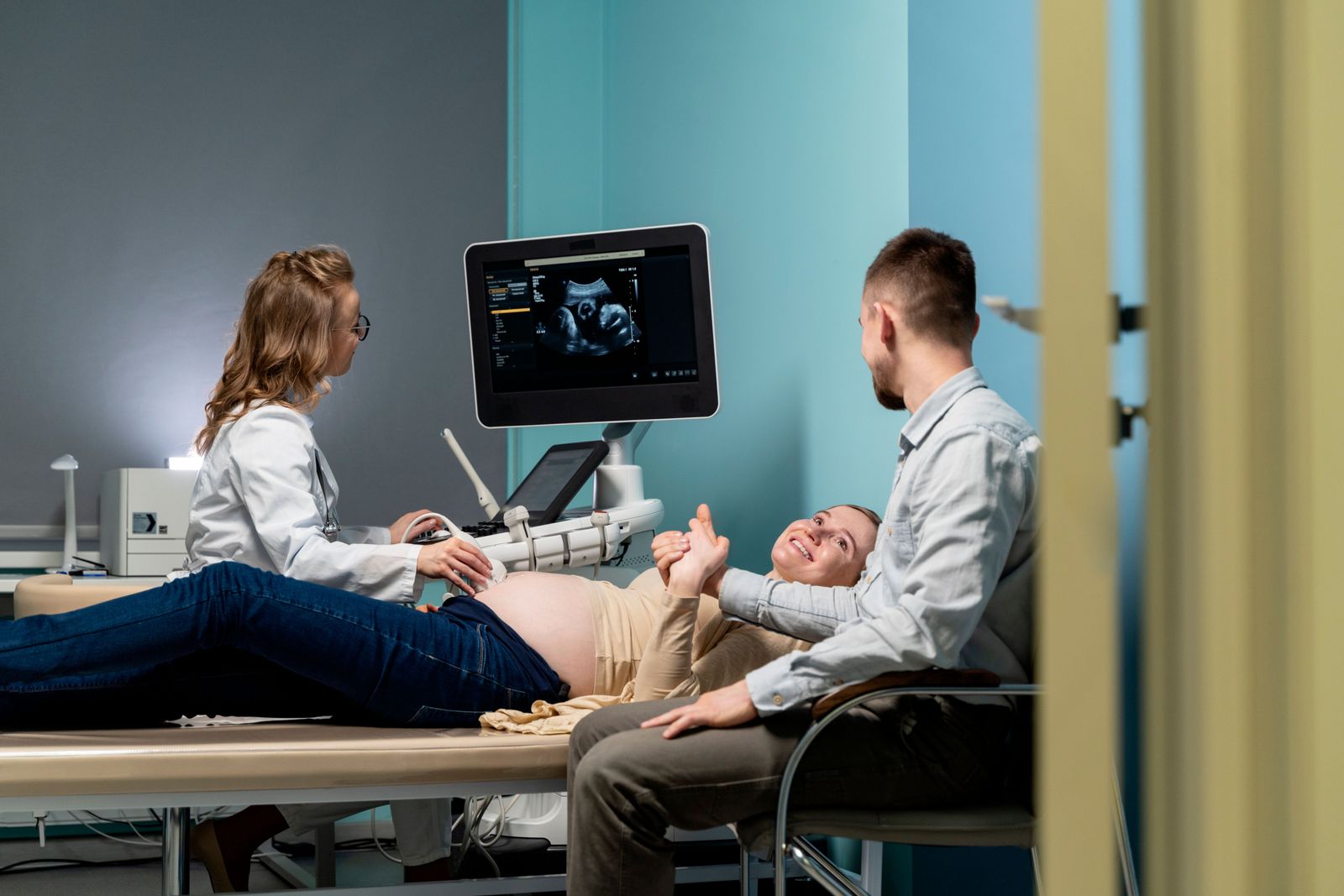
Ultrasound may be recommended at appropriate intervals when clinically indicated.
Your doctor may assess:
Estimated fetal growth
Growth pattern over time
Amniotic fluid
Placental findings
Other pregnancy-specific factors
The timing and frequency of ultrasound depend on the individual pregnancy.
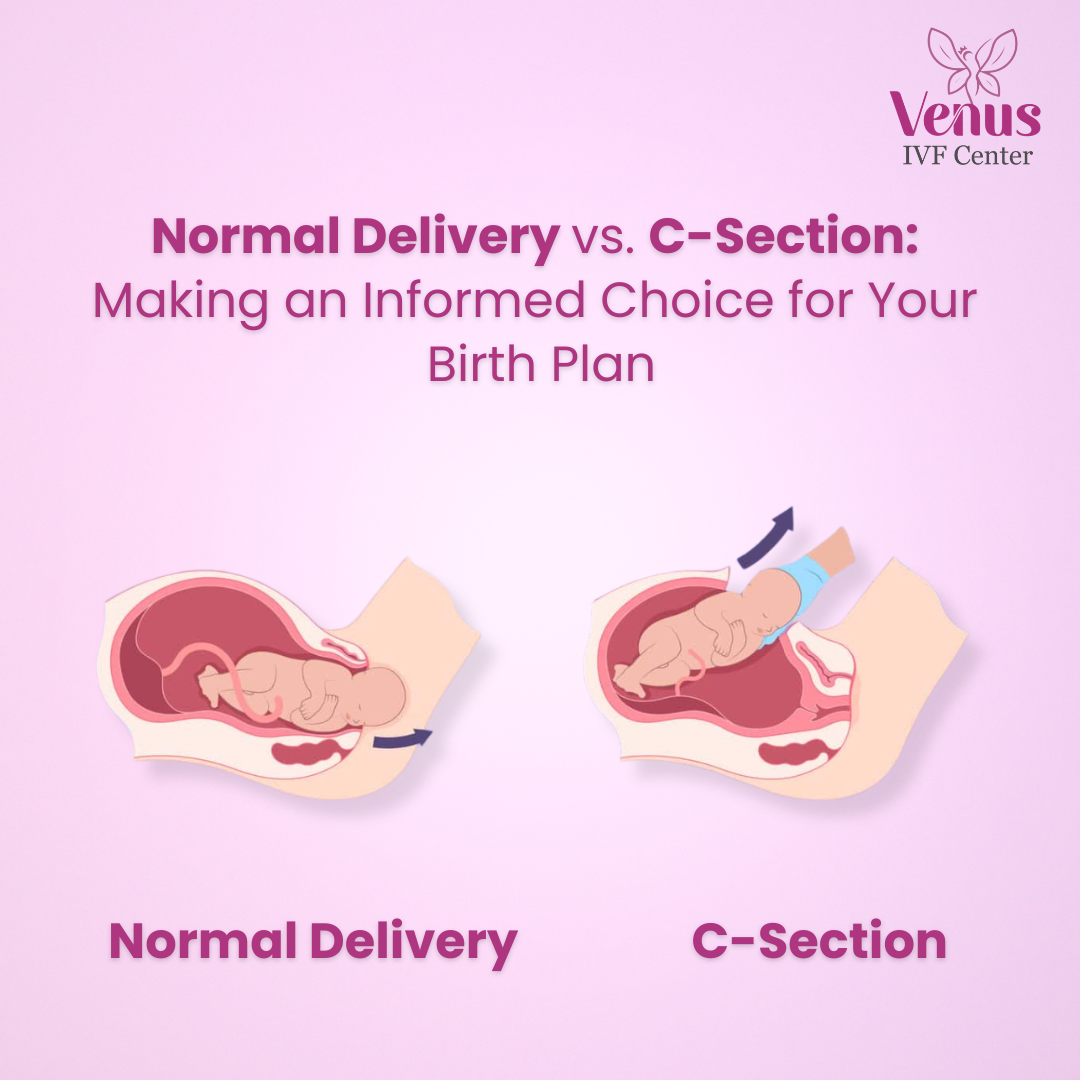
Gestational diabetes does not automatically mean that a C-section is required.
Delivery planning depends on multiple factors, including:
Blood glucose control
Estimated fetal size
Maternal health
Blood pressure
Fetal well-being
Gestational age
Previous delivery history
Other obstetric factors
Your obstetrician can discuss the appropriate delivery plan as pregnancy progresses.
Gestational diabetes often improves after delivery because pregnancy-related insulin resistance decreases.
However, having GDM increases the mother's future risk of developing type 2 diabetes.
For this reason, postpartum diabetes testing and long-term follow-up are important.
The CDC recommends diabetes testing after pregnancy and continued screening because women who have had gestational diabetes have a higher future risk of type 2 diabetes.
Your doctor can guide you regarding the appropriate postpartum test and follow-up schedule.
Blood sugar management is integrated with routine obstetric care rather than treated as an isolated issue.
Your pregnancy can be followed with appropriate maternal assessments and fetal monitoring based on your clinical needs.
Dietary recommendations can be adapted to pregnancy requirements, glucose readings and overall health.
Women who require closer pregnancy monitoring can be evaluated according to their individual risk factors.
As pregnancy progresses, maternal and fetal findings can be considered when discussing delivery planning.
MBBS, DGO, DNB, MNAMS
Sonologist | IVF Specialist
MBBS, DGO
Infertility Specialist | High-Risk Pregnancy Expert
MD, Diploma in ART (Germany)
IVF Specialist | Endoscopic Surgeon
MD (OBS & GYNAEC)
Advanced Endoscopic Surgeon | High-Risk Pregnancy Expert
Some women can achieve their recommended glucose targets through nutrition planning and appropriate physical activity, while others may require medication. Management depends on individual blood glucose results.
Not necessarily. Insulin may be recommended when blood glucose targets cannot be achieved through lifestyle measures alone or when clinically indicated.
No. Gestational diabetes by itself does not automatically determine the mode of delivery. Delivery decisions depend on the overall maternal and fetal situation.
Many women with GDM have healthy pregnancies when the condition is appropriately monitored and managed. Regular prenatal care and blood glucose control are important.
Blood sugar often improves after delivery, but women who have had GDM remain at increased risk of developing type 2 diabetes later. Postpartum testing and long-term follow-up are therefore important.
Contact your treating doctor rather than changing your diet or medication drastically on your own. Your care team may review your meal plan, glucose monitoring and whether additional treatment is needed.
If you have been diagnosed with gestational diabetes or have been advised to undergo pregnancy glucose testing, timely medical evaluation can help you understand your condition and establish an appropriate monitoring plan.
Venus Women’s Hospital & IVF Center
Vijay, Ramdham-2 Corner, Near KKV Circle,
Beside SBI Bank, Kalavad Road, Rajkot – 360005
Phone: +91 90999 00181 | +91 90999 00182
Email: venuswomenshospital@gmail.com
OPD Timings:
Monday–Friday: 10:00 AM–01:00 PM | 05:00 PM–07:30 PM
Saturday: 10:00 AM–01:00 PM
Sunday: Emergency Services Only
For personalized Gestational Diabetes Care in Rajkot, discuss your blood glucose results, pregnancy stage and medical history with the Venus Women’s Hospital & IVF Center team to plan appropriate pregnancy monitoring and management.













.png)




















.png)
.png)