Childbirth is a powerful transformation physically, emotionally, and hormonally. While most people focus on pregnancy and delivery, the real adjustment often begins after the baby is born. For many women in Rajkot and across Gujarat, unexpected mood swings, fatigue, anxiety, and body changes raise one important question: What is happening to my hormones?
Understanding postpartum hormonal changes helps women recover faster, feel emotionally balanced, and plan their future health with confidence.
What Happens to Hormones After Delivery?
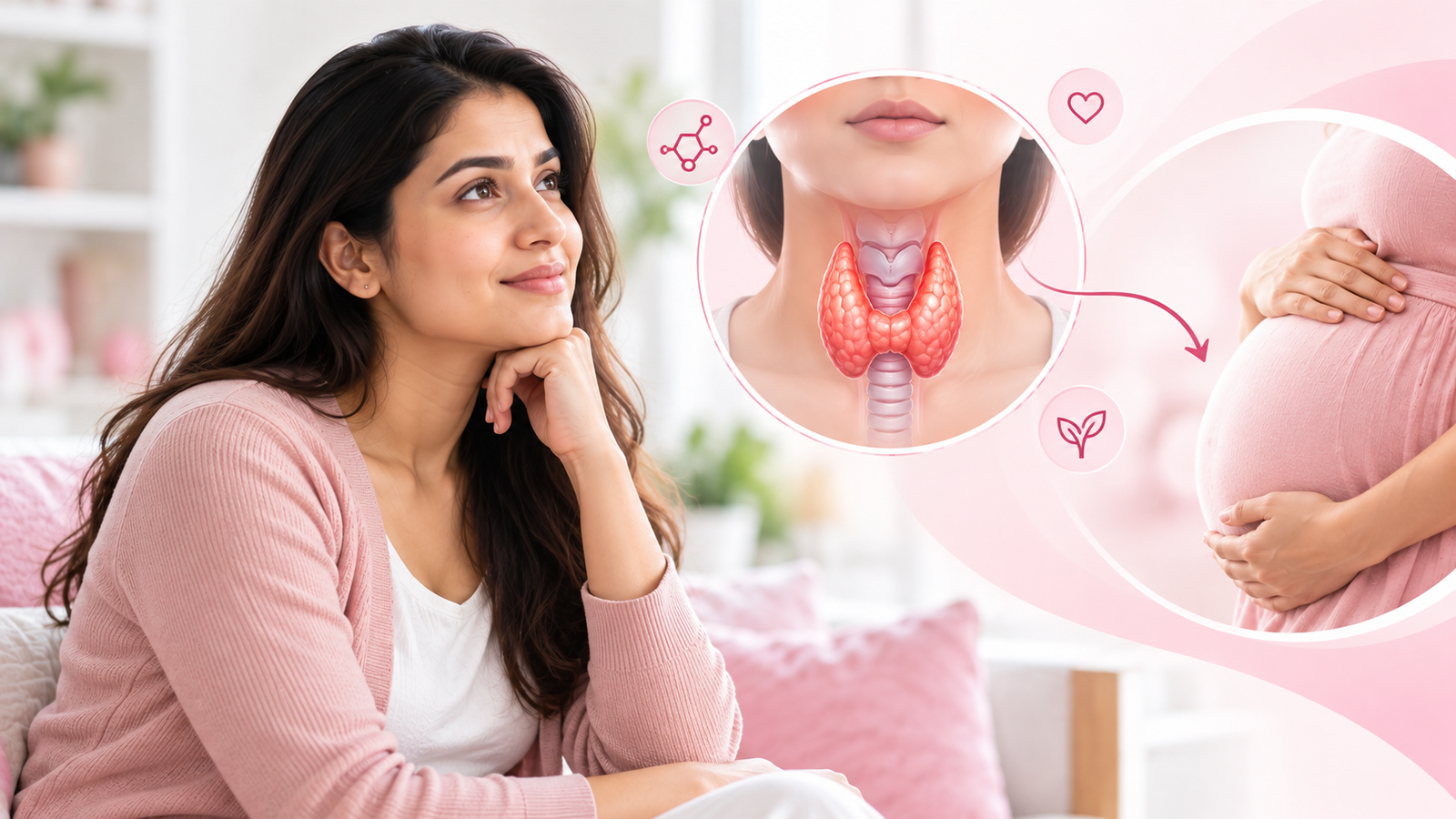
During pregnancy, estrogen and progesterone levels remain high to support the baby. After delivery, these hormones drop sharply within days. At the same time, prolactin (the milk-producing hormone) increases, while oxytocin supports bonding and breastfeeding.
This sudden shift can affect:
These changes are normal, but how a woman manages them determines long-term recovery and wellbeing.
Common Hormonal Symptoms After Childbirth
Every woman experiences postpartum changes differently, but the most common signs include:
These symptoms usually settle gradually, but ignoring them can delay recovery and impact motherhood fertility in the long run.
Timeline of Hormonal Recovery After Delivery
Table 1: Hormonal Changes & Recovery Phases
|
Time After Delivery |
Hormonal Changes |
What Women Commonly Feel |
|
First 1–2 weeks |
Sudden hormone drop |
Mood swings, tiredness |
|
1–3 months |
Prolactin dominant |
Low energy, sleep issues |
|
3–6 months |
Gradual stabilisation |
Emotional balance improves |
|
6–12 months |
Hormones reset |
Body feels normal again |
Recovery depends on nutrition, rest, emotional support, and medical guidance.
Emotional Health: Baby Blues vs Postpartum Depression
Mild emotional ups and downs in the first two weeks are common. However, persistent sadness, anxiety, anger, or withdrawal may indicate postpartum depression.
Women are often hesitant to talk about mental health, especially in traditional families. But untreated emotional stress affects bonding, physical recovery, and even future motherhood fertility.
Seeking timely medical advice is not weakness it is responsible self-care.
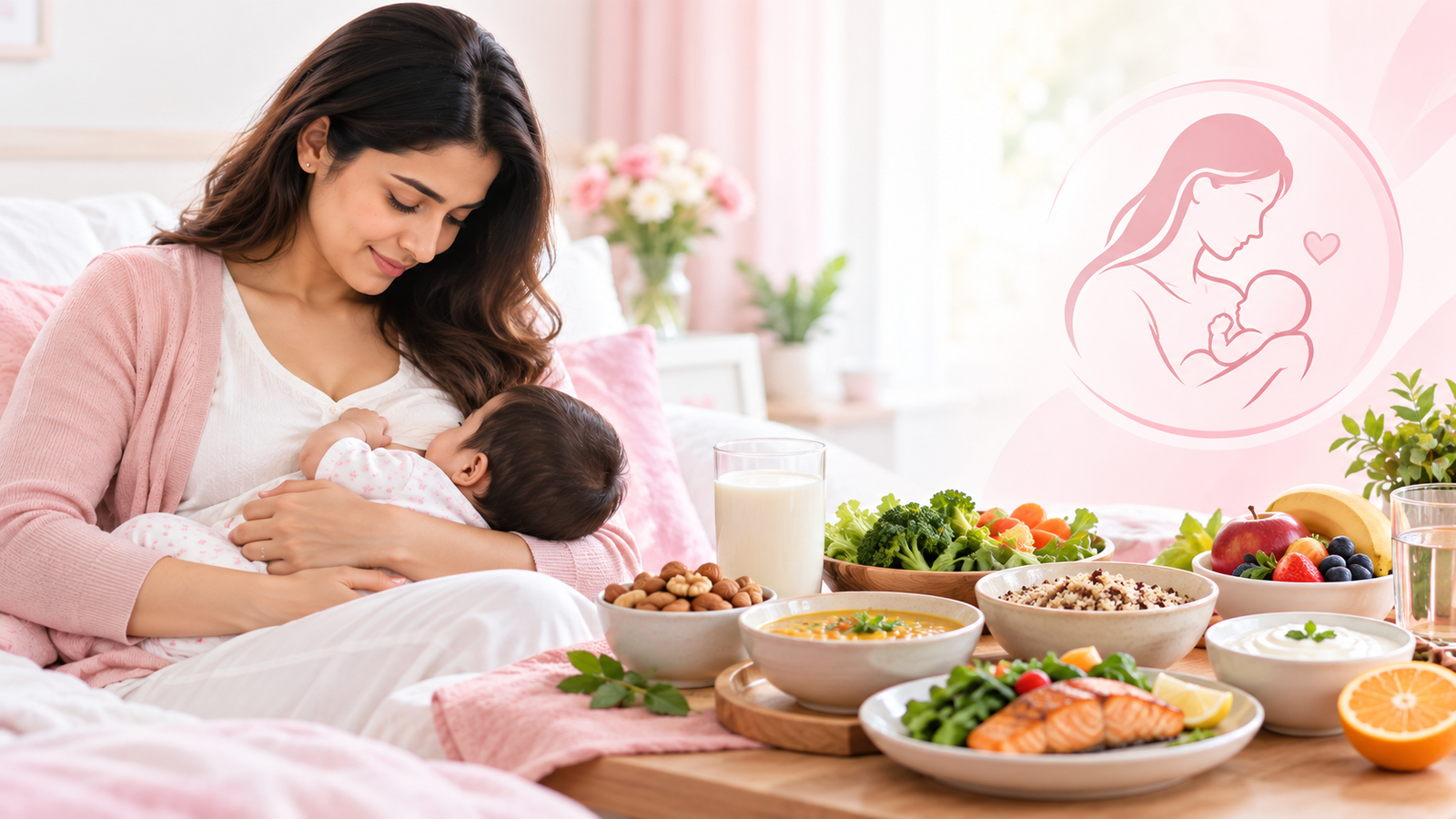
Nutrition’s Role in Hormonal Balance
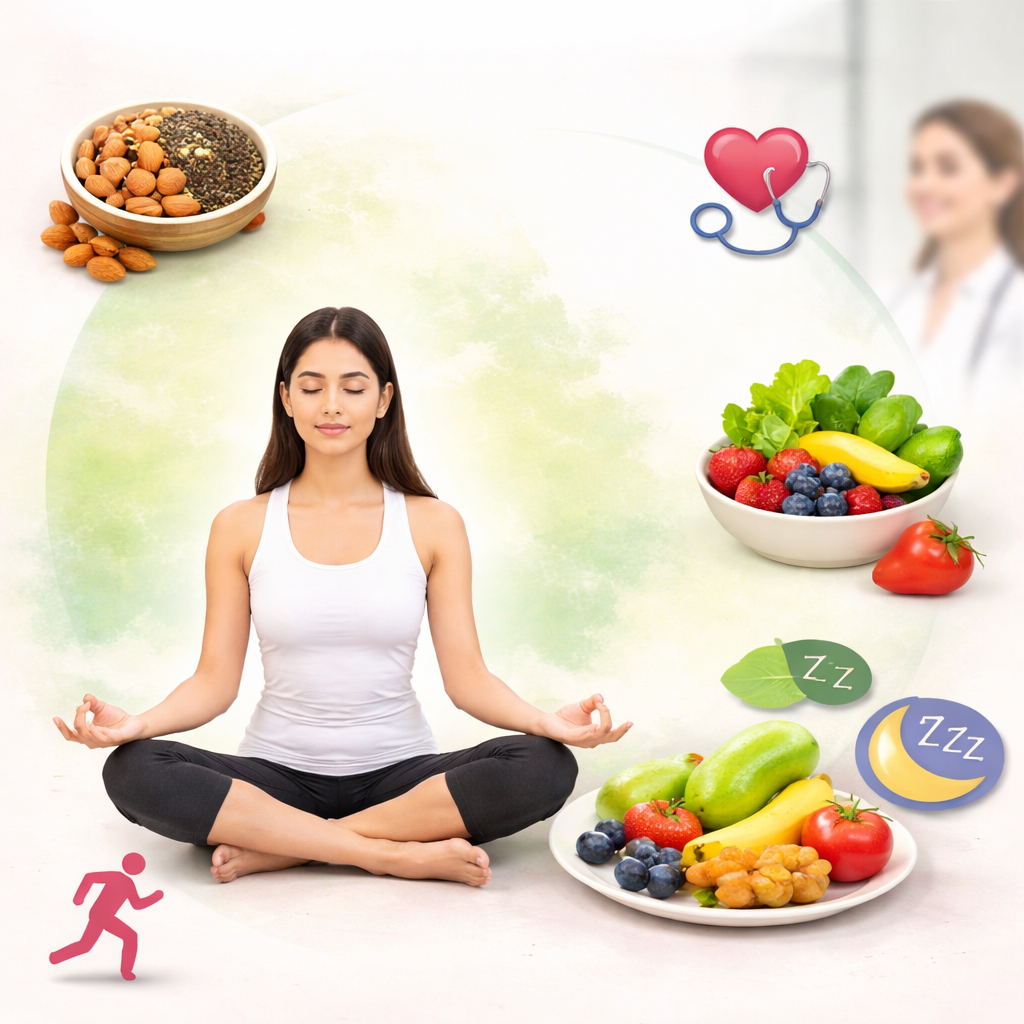
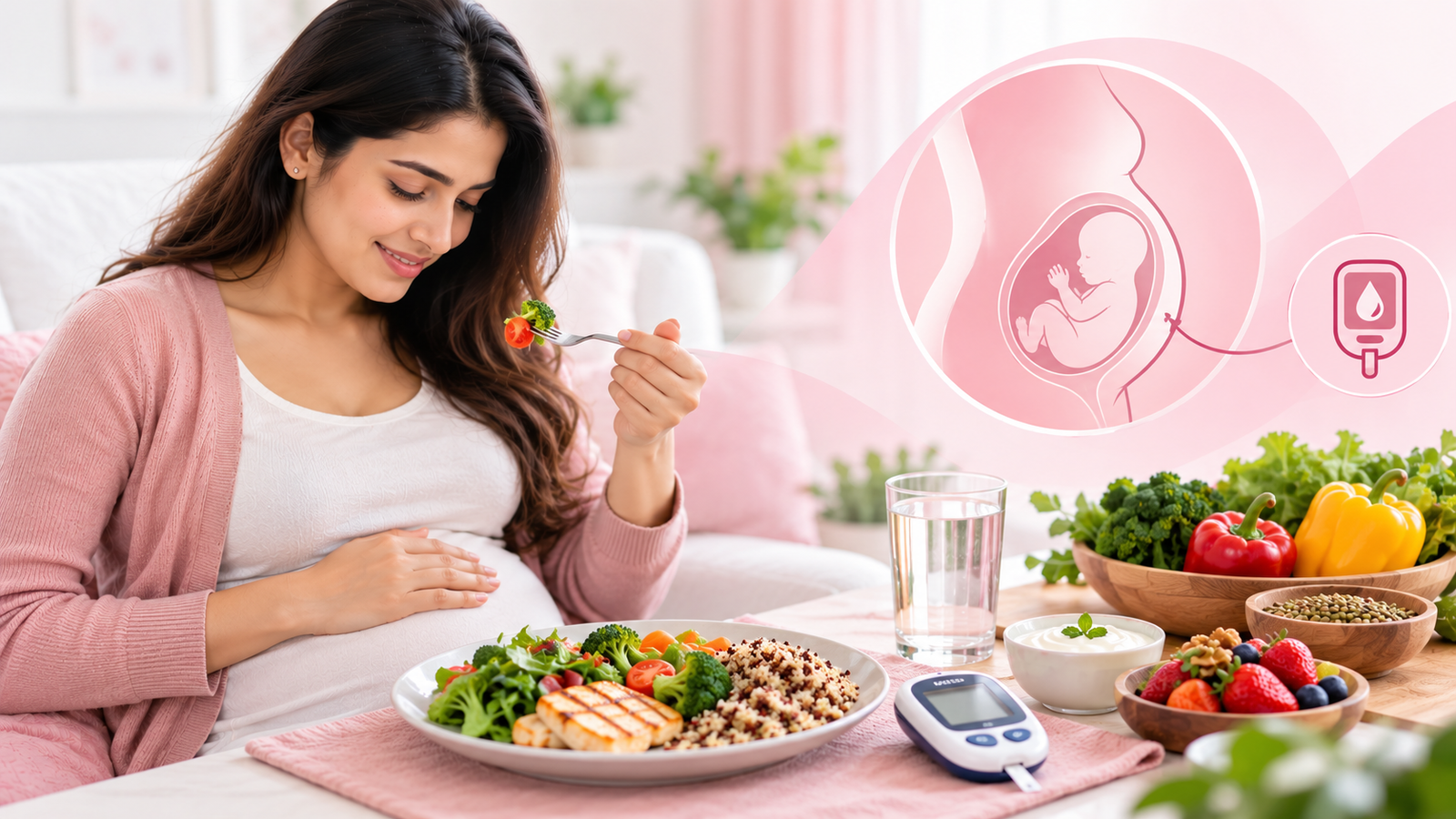
Food plays a major role in hormone regulation. Doctors recommend:
Gujarati home food, when prepared mildly and without excess sugar or oil, supports hormonal recovery naturally.
Breastfeeding & Hormonal Impact
Breastfeeding keeps prolactin levels high, which can delay periods. This is normal and protective for the body. However, it also means hormones take longer to stabilise fully.
Some women worry when menstruation does not return quickly, but this does not mean infertility or weakness. With proper care, the body restores balance safely.
When Should You See a Doctor?
Medical consultation is recommended if a woman experiences:
Choosing a specialised 9 months hospital ensures postpartum care is treated with the same seriousness as pregnancy itself.
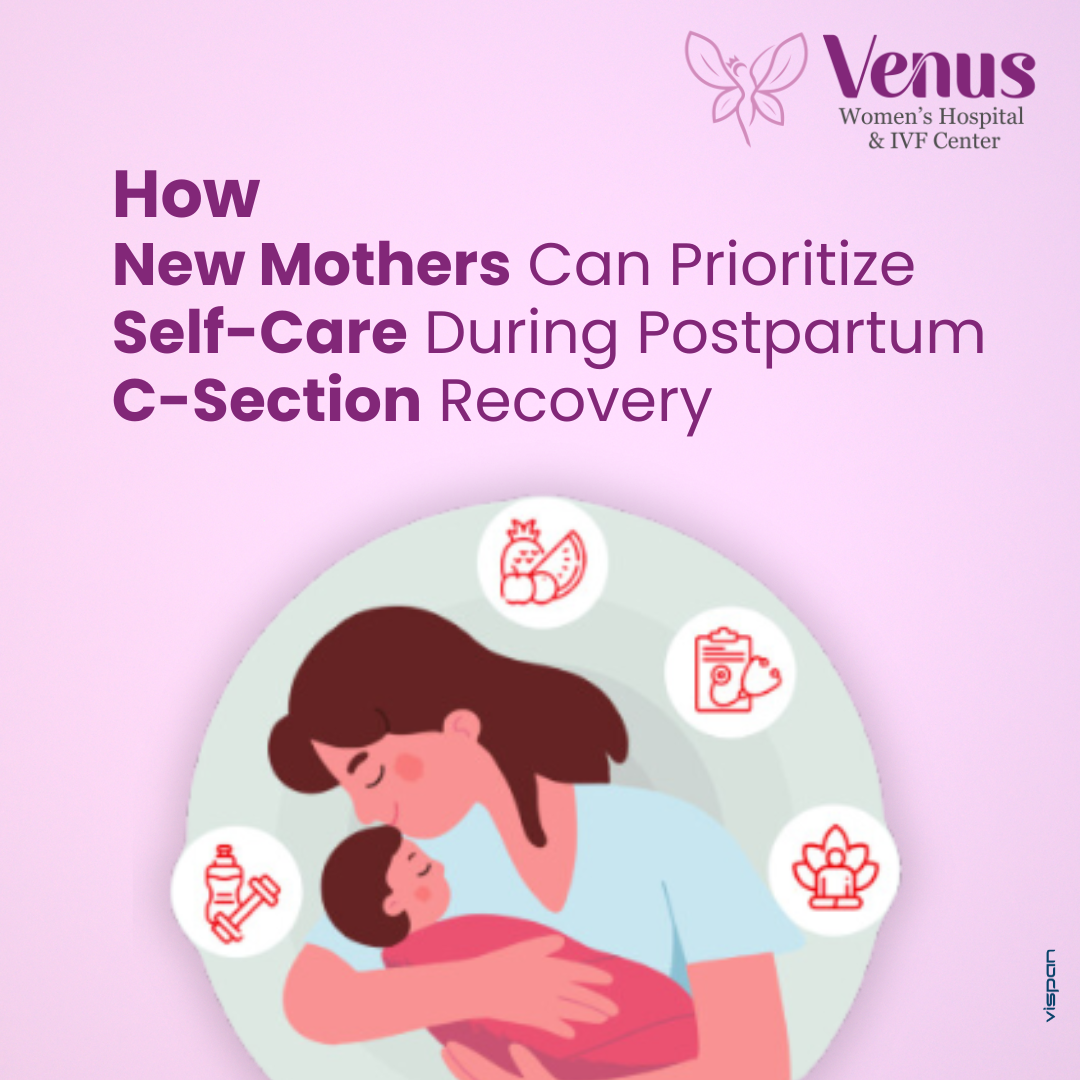
Practical Recovery Checklist for New Mothers
Table 2: Daily Habits That Support Hormonal Healing
|
Habit |
Why It Helps |
|
Short walks |
Improves circulation |
|
Hydration |
Supports metabolism |
|
Adequate sleep |
Restores hormone cycles |
|
Emotional support |
Reduces cortisol (stress hormone) |
|
Follow-up visits |
Detects issues early |
Small, consistent habits create long-term health benefits.
Mid-Journey Medical Recommendation
At this stage of recovery, we recommend venus women's hospital for women seeking structured postpartum care, hormonal evaluation, and emotional support. Many families prefer venus women's hospital rajkot because it functions as a comprehensive 9 months hospital, offering continuity of care from pregnancy through postpartum recovery.
Such support helps women transition smoothly into motherhood without ignoring their own health.
Hormones, Future Health & Family Planning
Hormonal balance after delivery also influences long-term reproductive health. Proper recovery helps regulate cycles, improves energy levels, and prepares the body if future pregnancy is planned.
Ignoring recovery can lead to chronic fatigue, hormonal imbalance, and delayed fertility planning later in life.
Cultural Support & Medical Balance in Gujarat
Gujarati families are known for strong support systems, which is a great strength. When traditional care is combined with medical guidance, outcomes improve significantly.
A trusted 9 months hospital ensures women receive modern medical support without losing cultural comfort.
Final Thoughts
Hormonal changes after delivery are natural but they should never be ignored. Awareness, nutrition, emotional support, and timely medical care make recovery smoother and healthier.
For women in Rajkot looking for dependable postpartum and women’s health care, venus women's hospital and venus women's hospital rajkot remain trusted choices, supporting women through recovery, balance, and confident motherhood.
.jpg)

.jpg)

.png)

.jpg)

.jpg)
.png)
.png)




.png)


.jpg)



.png)
.png)
.png)
.png)