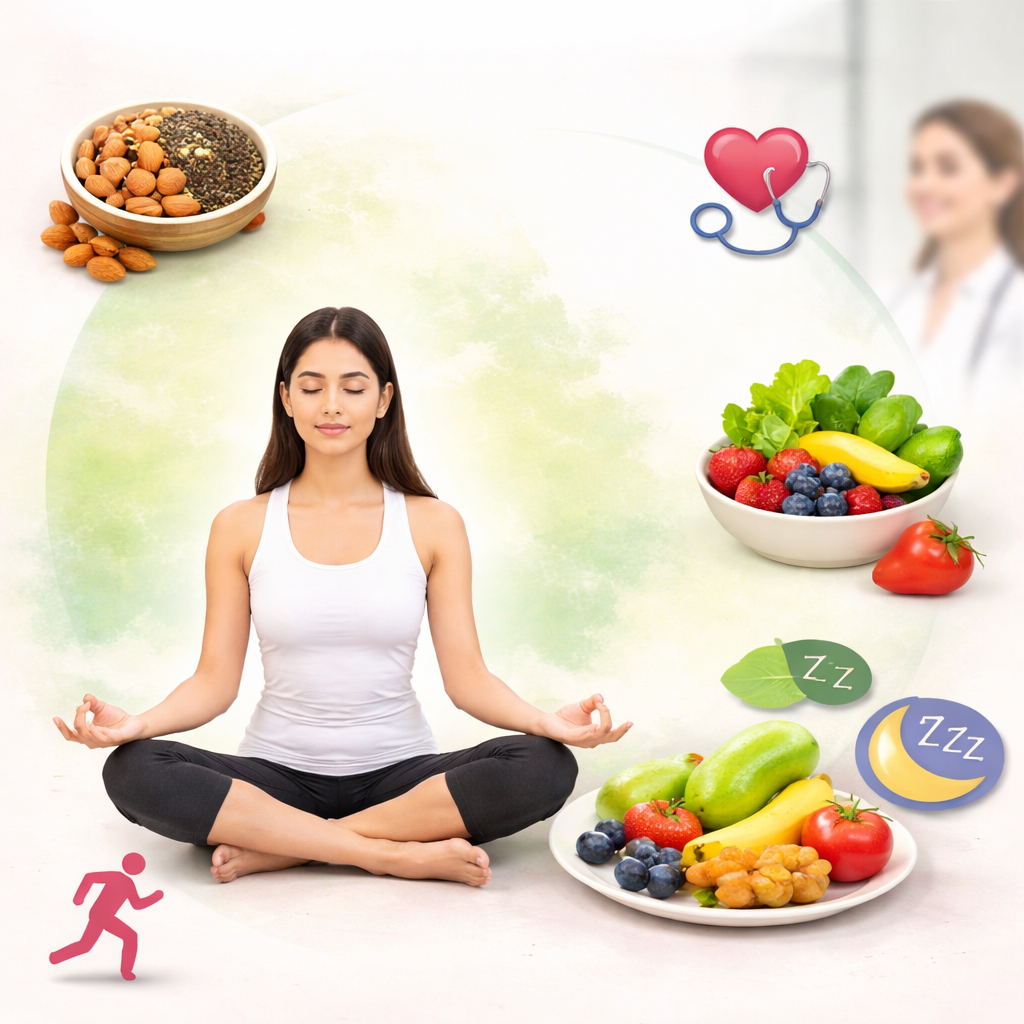
Motherhood and parenthood are journeys that do not end at childbirth. What you eat after delivery plays a crucial role in recovery, hormonal balance, and long-term health. In cities like Rajkot, where traditional food habits meet modern lifestyles, couples often seek clarity on what truly works. This blog brings together post-delivery nutrition for both men and women, explained in a simple, practical, and science-backed way.
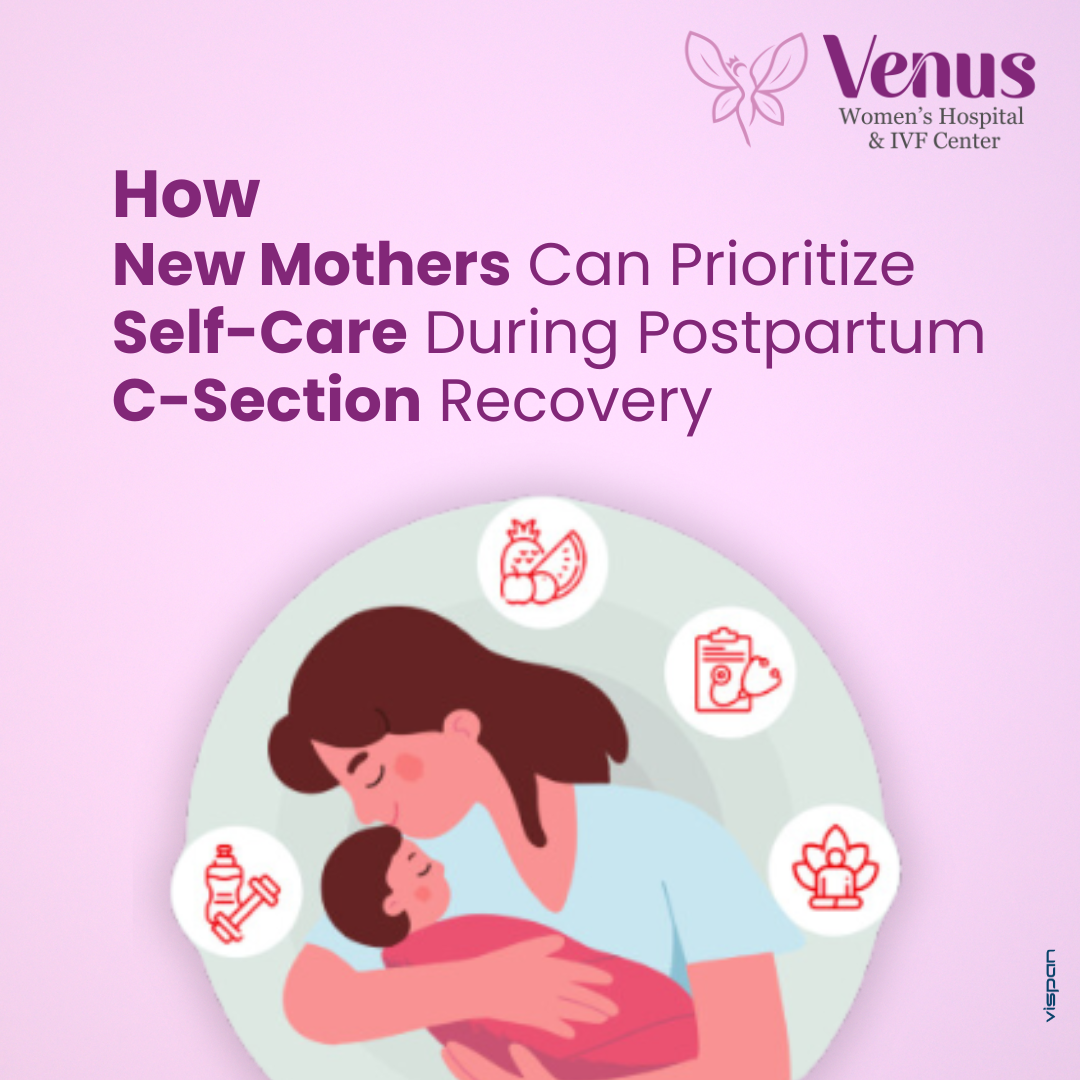
The weeks following childbirth are physically and emotionally demanding. A woman’s body needs nourishment to heal tissues, restore energy, support breastfeeding, and stabilise hormones. A proper diet after delivery is not about eating more it is about eating right. In Gujarat, families often follow age-old traditions, but not all advice suits modern medical understanding. Knowing what helps recovery and what delays it can make a real difference in a new mother’s health.
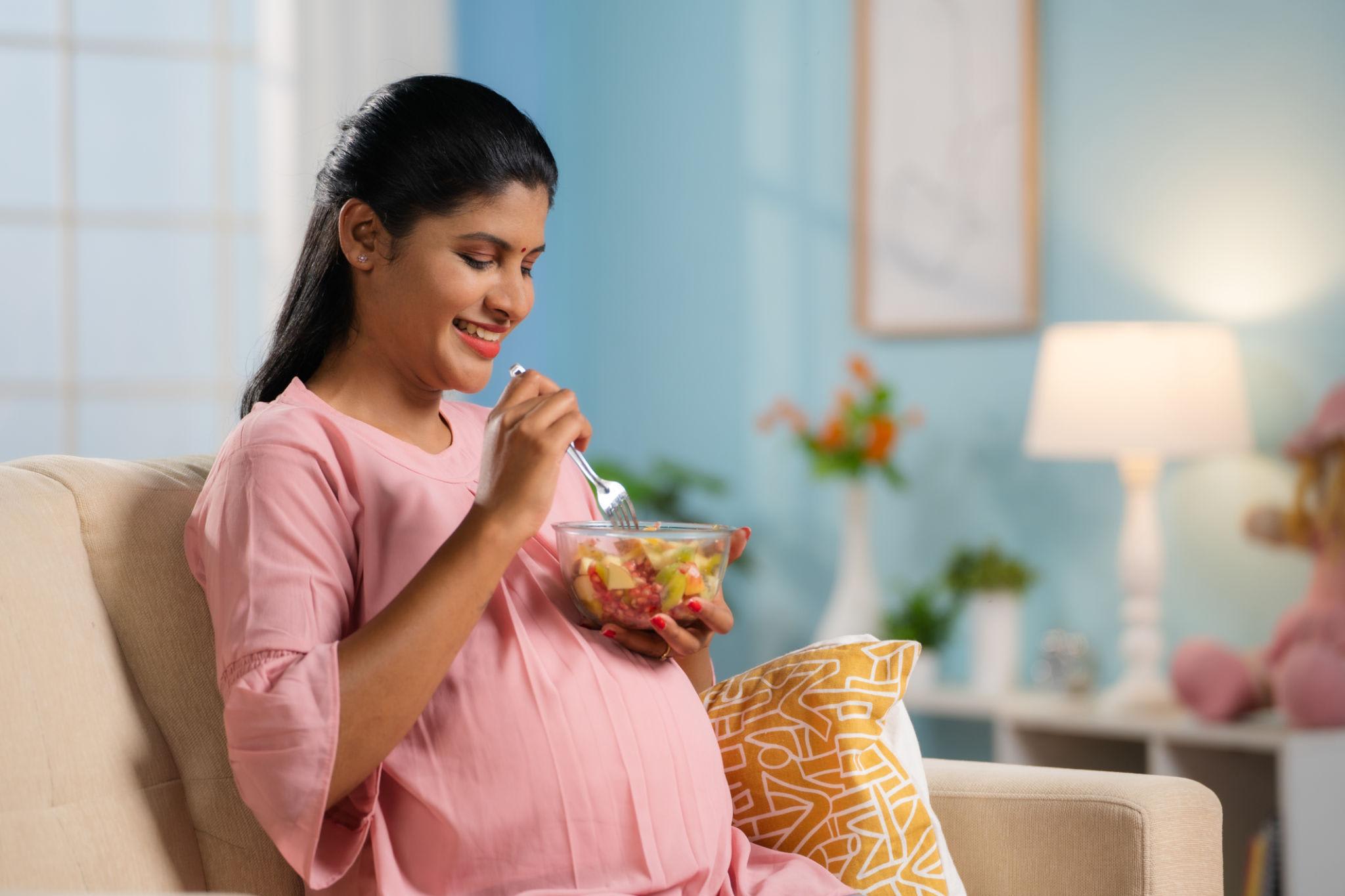
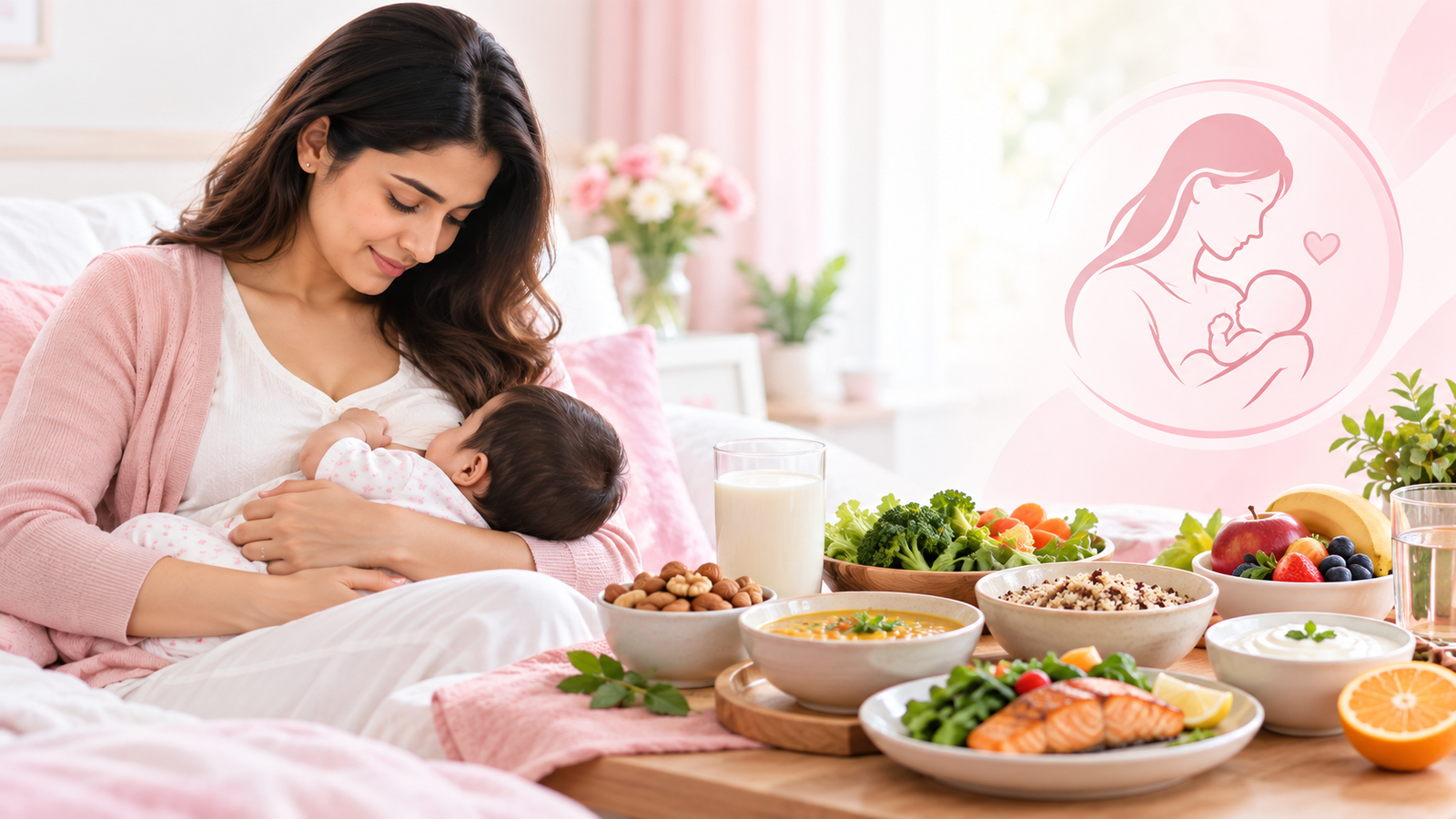
Many women ask during pregnancy and postpartum care: normal delivery ke liye kya khana chahie. The answer lies in balanced meals rich in protein, iron, calcium, and healthy fats. Whole grains, seasonal vegetables, lentils, ghee in moderation, and milk products help strengthen muscles and improve stamina needed for childbirth and recovery. After childbirth, continuing similar nutrient-dense foods supports healing and lactation. The focus should remain on warm, freshly prepared meals that are easy to digest and nourishing.
Just as important as knowing what to eat is understanding normal delivery ke baad kya nahi khana chahiye. Excessively spicy foods, deep-fried snacks, carbonated drinks, processed sugar, and very cold foods may cause digestion issues, inflammation, or discomfort for both mother and baby. Temporary avoidance of such foods helps the digestive system recover faster and supports smoother postpartum healing.
<meta charset="utf-8" />
Doctors consistently emphasise that post-delivery recovery does not require fancy diets or imported superfoods. What matters is freshness, balance, digestion, and consistency.
Doctors also advise listening to hunger cues rather than following rigid food rules passed down without medical reasoning.
A well-planned food chart after delivery removes confusion for new mothers and families. Ideally, meals should be divided into small portions throughout the day, focusing on hydration, protein intake, and iron-rich foods. A structured food chart typically includes warm breakfasts, light mid-morning snacks, balanced lunches, nourishing evening foods, and simple dinners. This approach prevents fatigue, supports milk production, and keeps energy levels stable.
Nutrition after delivery is a shared responsibility. Both partners need to focus on their health and well-being. A balanced diet for both parents can improve recovery, hormonal balance, and future family health.
Certain food combinations improve nutrient absorption and digestion when consumed correctly:
These combinations are gentle on the stomach and suitable for daily meals.
Gujarati cuisine, when prepared traditionally and not overly sweetened or fried, is one of the most balanced diets for recovery.
Key Strengths of Gujarati Food:
Foods like khichdi, dal-bhat, vegetable shaak, rotli, curd, and lightly spiced soups are medically recommended for both new mothers and families.
Midway through postpartum recovery, personalised medical advice becomes essential. Reputed centres like Venus Hospital in Rajkot focus on combining nutrition guidance with medical expertise, ensuring both mother and father receive holistic care tailored to their health needs.
Many couples do not realise that postpartum nutrition also impacts future health. A consistent diet after delivery supports hormonal recovery and prepares the body for future pregnancies if planned.
Ignoring dietary precautions can slow healing. Understanding normal delivery ke baad kya nahi khana chahiye helps families avoid common mistakes passed down through myths rather than science. Pairing this awareness with a guided food chart ensures the body receives steady nourishment without stress or confusion.
Combining a focus on post-delivery nutrition for both partners creates a supportive environment for family health. Focusing on nutrient-dense foods ensures both partners contribute equally to health, well-being, and future family planning.
<meta charset="utf-8" />
Nutrition is not a temporary phase; it is a foundation for recovery, health, and lifelong well-being. Whether it is improving post-delivery health or planning a smart postpartum diet, informed choices make all the difference. Families in Rajkot seeking expert-guided, compassionate care often turn to Venus Hospital, where medical expertise and nutritional guidance come together to support healthy recovery.
.jpg)

.jpg)

.png)
.jpg)


.jpg)
.png)
.png)




.png)


.jpg)



.png)
.png)

.png)
.png)