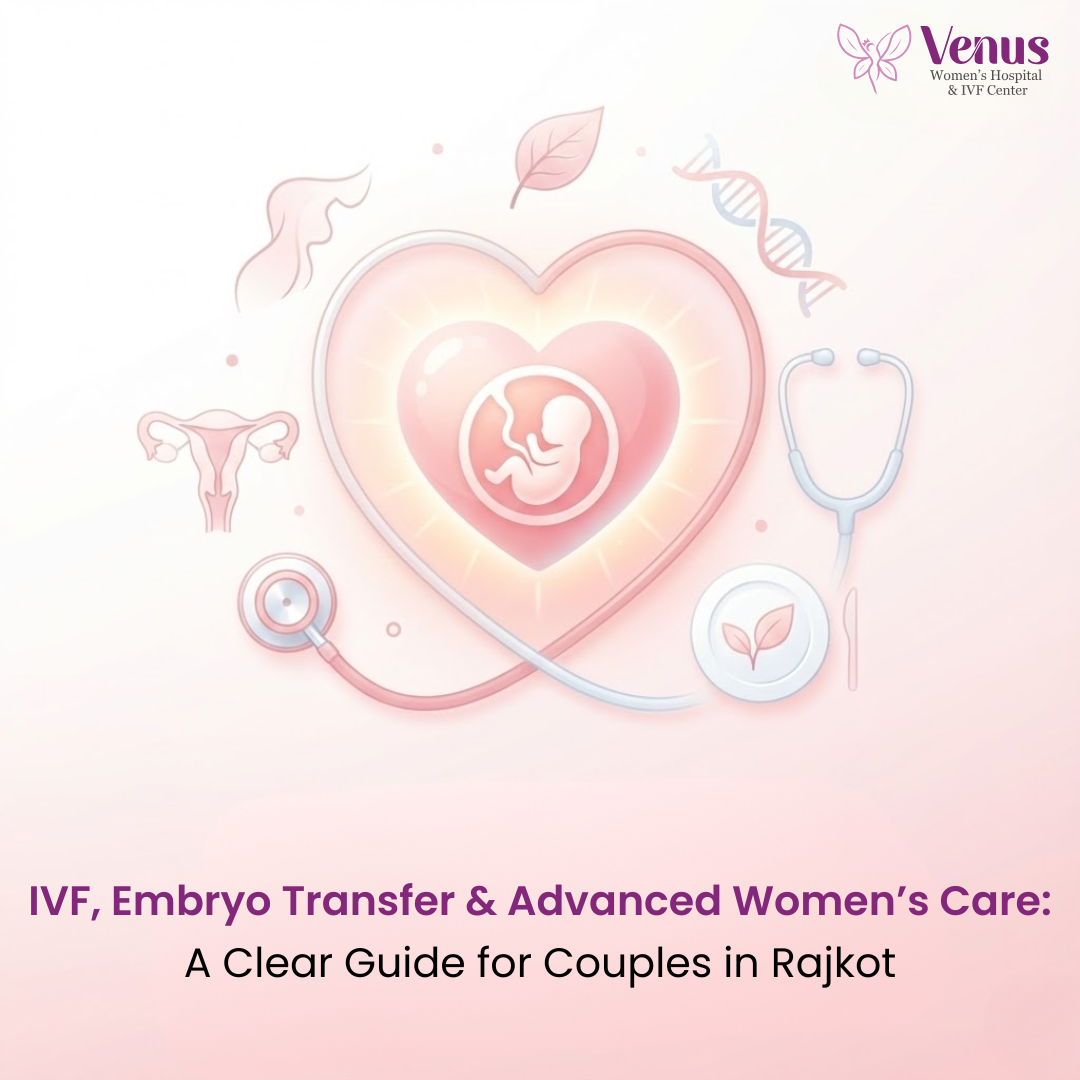
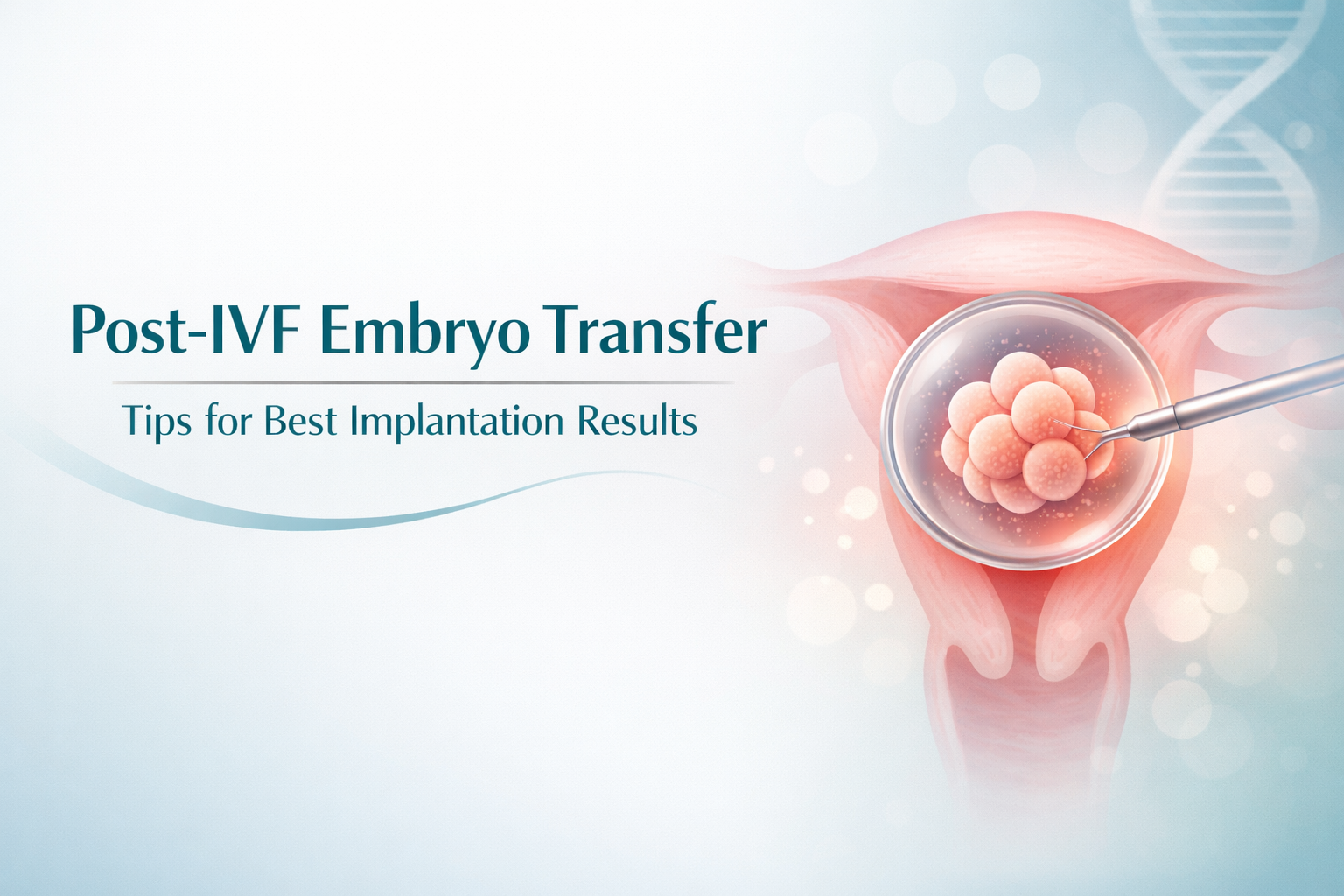
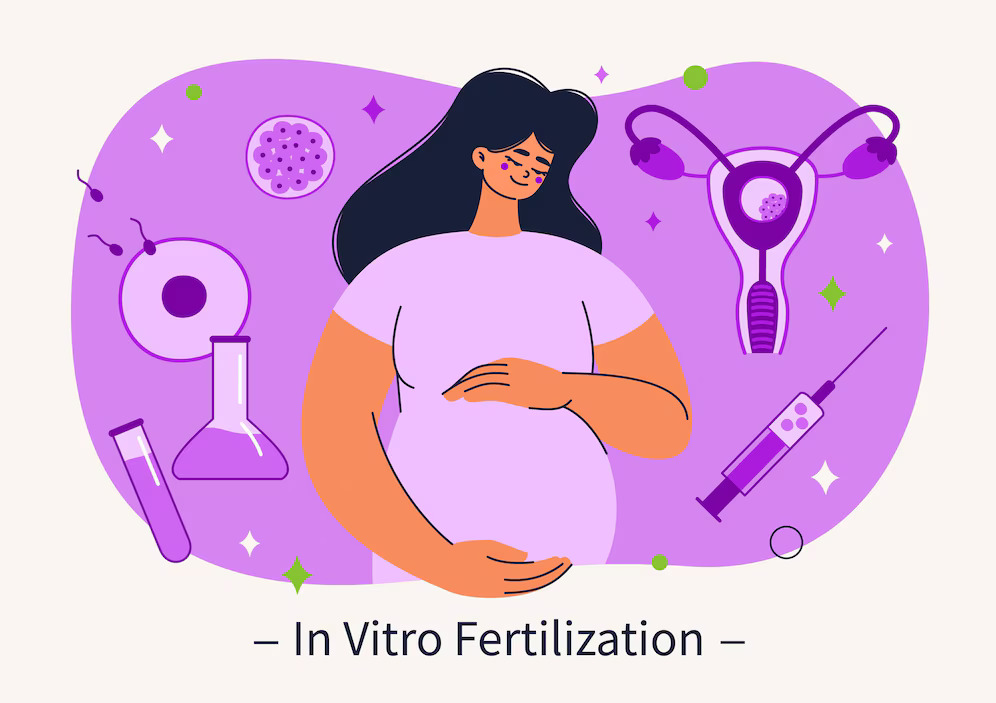
You have been through the injections, the monitoring scans, the egg retrieval, and the fertilisation. Now, with your embryo carefully transferred, you enter the most emotionally charged phase of the entire IVF journey, the two-week wait.
This is the period between embryo transfer and the Beta hCG blood test, where your body is either accepting the embryo and building a pregnancy, or not. And while much of this process is biological and beyond your control, there is a great deal you can do to support the best possible environment for implantation.
At Venus Women's Hospital & IVF Center, Rajkot's most trusted IVF hospital and the leading fertility centre across Saurashtra and Kutch, our IVF specialists, Dr. Rukesh Ghodasara and Dr. Sweta Patel, guide every patient through this delicate phase with personalised, evidence-based advice. This blog compiles their most important post-embryo transfer recommendations, so you can feel informed, calm, and confident throughout the two-week wait.
Understanding the biology of implantation helps demystify the two-week wait and replaces anxiety with knowledge, something our doctors at Venus Women's Hospital always encourage.
After transfer, a blastocyst (Day 5 embryo) typically begins hatching from its outer shell (zona pellucida) within 1–2 days. It then needs to attach to the uterine lining (endometrium), penetrate the surface, and establish a blood supply, a process called implantation. This usually occurs between Day 6 and Day 10 after a blastocyst transfer.
Once implanted, the embryo begins producing human chorionic gonadotropin (hCG), the pregnancy hormone. Levels double approximately every 48 hours in a healthy early pregnancy. This is why your Beta hCG blood test is scheduled 10-14 days post-transfer at Venus Women's Hospital: testing earlier gives unreliable results and unnecessary distress.
The entire implantation process is sensitive to the uterine environment, hormonal support, immune tolerance, and overall body health. Every tip in this guide is designed to positively influence one or more of these factors.
This is the single most important instruction after embryo transfer and the one our IVF team at Venus emphasises above all else. Progesterone supplementation (vaginal pessaries, injections, or oral tablets as prescribed) is not optional. It is the hormonal scaffold that supports the uterine lining and signals your body to maintain the pregnancy.
In a natural pregnancy, the corpus luteum produces progesterone after ovulation. In an IVF cycle, this function is pharmacologically supported because the ovaries have been stimulated and need assistance. Skipping even a single dose can cause progesterone levels to drop, potentially triggering uterine contractions or shedding of the lining, directly threatening implantation.
Similarly, if oestrogen supplements have been prescribed, they must be taken without interruption. Set alarms, keep medications visible, and if you miss a dose, call Venus Women's Hospital immediately for guidance rather than guessing. Your personalised medication protocol was designed by your doctor specifically for your cycle. Follow it precisely.
One of the most persistent myths in IVF is that complete bed rest after embryo transfer improves success rates. In fact, clinical research consistently shows that prolonged bed rest has no benefit and may even be mildly harmful by increasing the risk of blood clots and reducing circulation to the uterus.
What our doctors at Venus Women's Hospital recommend is relaxed, gentle activity. Short walks of 10–20 minutes, light household activity, and moving around your home are all perfectly fine and actually beneficial. Blood flow to the uterus is enhanced by gentle movement, which supports the endometrium's receptivity.
What to genuinely avoid: heavy lifting (above 5 kg), vigorous exercise, running, cycling, swimming (infection risk through the vagina post-transfer), and any activity that causes physical strain or impact. Think of it as the kind of gentle, easy day you would give yourself when recovering from a mild illness, calm, comfortable, but not immobile.
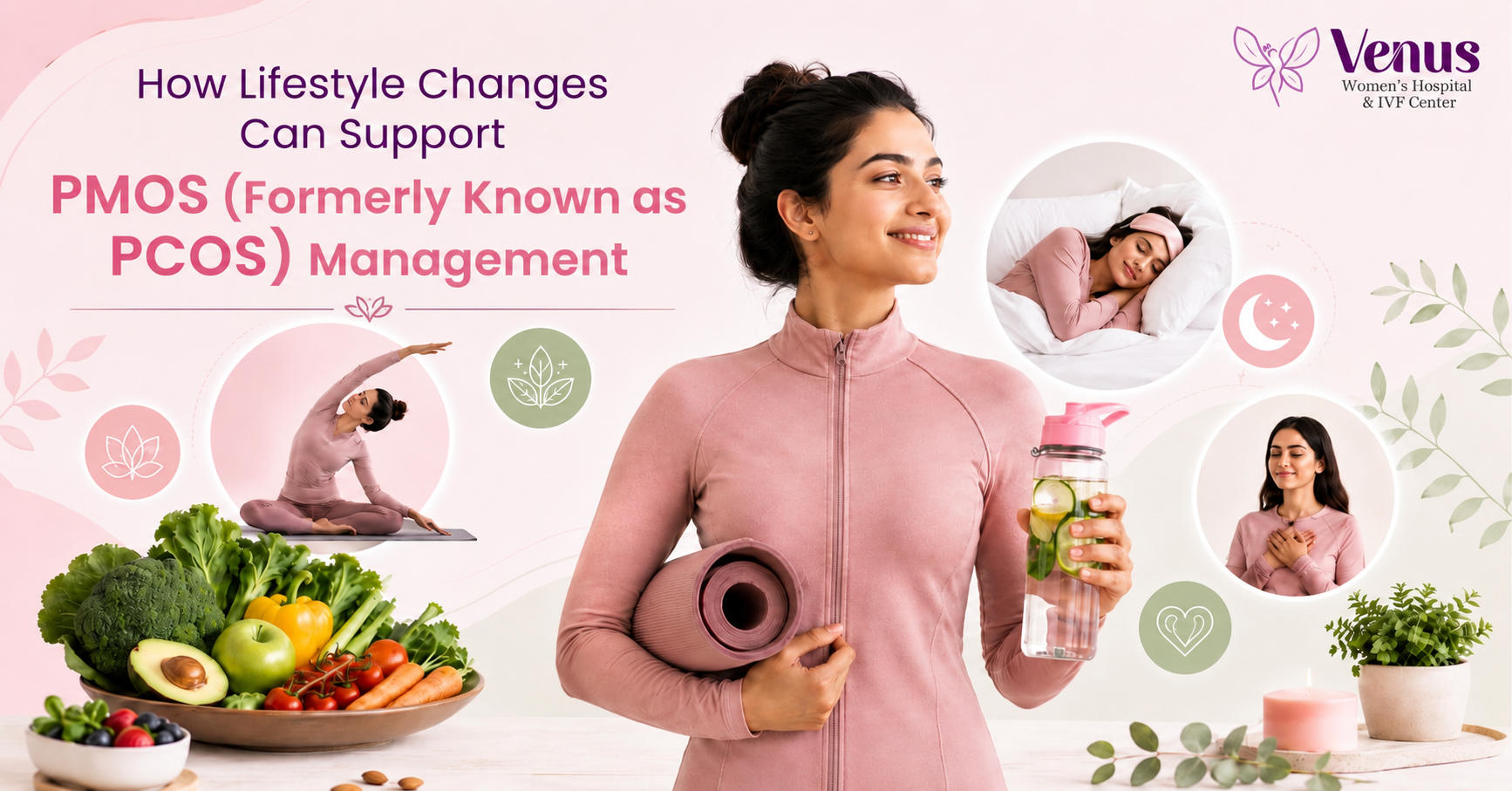
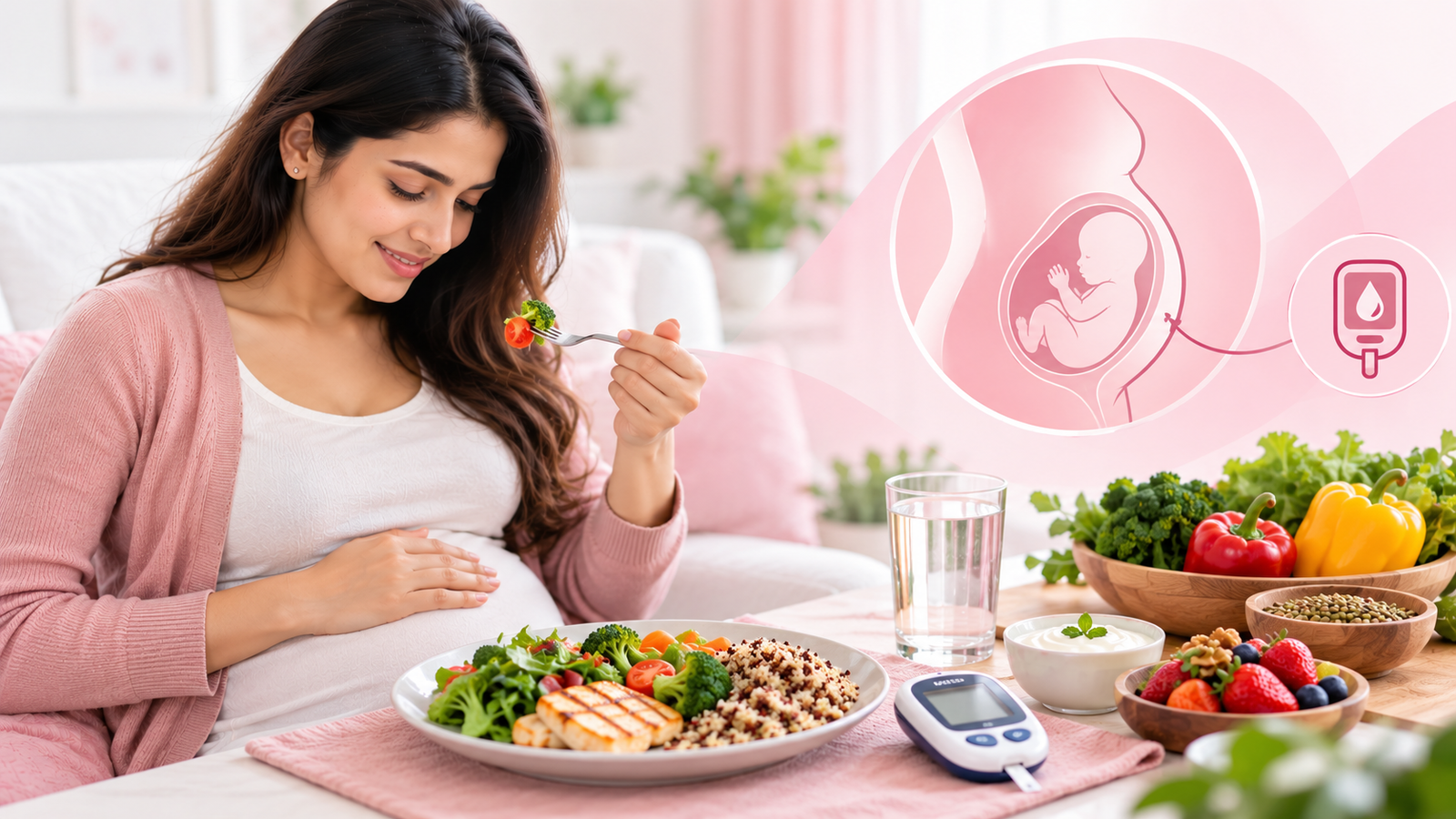
Nutrition in the post-transfer phase is not about eating 'magical' foods it is about creating an internal environment that is calm, well-nourished, and anti-inflammatory. Chronic low-grade inflammation is one of the key barriers to successful embryo implantation, and diet is a powerful modulator of inflammation.
Foods to prioritise after embryo transfer include warm, cooked meals (easier to digest and gentler on the system), protein-rich foods like dal, eggs, paneer, and legumes that support cell growth, healthy fats from ghee, walnuts, and flaxseeds that reduce inflammation, and iron-rich foods like methi, spinach, and rajma to support the uterine lining.
Pineapple, specifically the core, contains bromelain, an enzyme with mild anti-inflammatory and immune-modulating properties that has become popular in the IVF community. While it is not medically proven to improve implantation, it is safe to consume in moderate amounts (1–2 rings per day for 5 days post-transfer) and causes no harm. Traditional Indian foods like haldi doodh (turmeric milk), warm soups, and til (sesame) ladoos are also excellent, nourishing choices rooted in local wisdom.
What to strictly avoid: raw papaya (contains papain, which can stimulate uterine contractions), alcohol, excess caffeine, cold beverages, highly processed and packaged foods, and very spicy foods that cause digestive distress.
In both Ayurvedic tradition and modern fertility practice, keeping the uterine area warm is considered supportive of implantation. Cold temperatures can cause vasoconstriction, narrowing of blood vessels, which reduces blood flow to the uterus at a time when optimal circulation is critical.
Practical steps: avoid sitting directly on cold floors or cold surfaces, dress warmly, especially around the abdomen and lower back, avoid air-conditioning set very low, and drink warm fluids throughout the day. Warm water with a slice of ginger, herbal teas (avoiding those with uterine-stimulating herbs), and warm soups are all beneficial.
Avoid hot baths, saunas, and Jacuzzis. The concern here is not warmth but excessive heat, which can raise core body temperature and potentially stress early embryo development. A warm (not hot) shower is perfectly fine and actually relaxing.
The two-week wait after embryo transfer is emotionally one of the hardest periods in a fertility journey. Every twinge, cramp, or absence of symptom becomes a source of analysis. This is completely understandable, but it is important to know that sustained anxiety and stress elevate cortisol, which directly competes with progesterone at the receptor level and can reduce uterine receptivity.
Our team at Venus Women's Hospital encourages patients to actively build a stress management practice during this period. Restorative yoga (gentle stretches, no inversions or core-heavy poses), guided pranayama (alternate nostril breathing, deep belly breathing), and meditation apps are all safe and helpful. Listening to music you love, spending time with supportive people, watching light and enjoyable content, and engaging in gentle creative activities all support a calmer nervous system.
One strong recommendation from our IVF specialists: avoid searching for your symptoms on the internet during the two-week wait. The anxiety generated by symptom-searching, where the same symptom can mean both pregnancy and failure, does far more harm than good. Trust your doctors, follow your protocol, and reach out to Venus Women's Hospital if you have genuine clinical concerns.
Beyond the common advice, there are several specific situations our IVF doctors at Venus frequently flag as overlooked risks in the post-transfer period:
Strong chemical exposure: Avoid painting, strong cleaning agents, pesticide spraying, mosquito coil smoke, and heavy perfumes; these can introduce chemicals with potential endocrine-disrupting effects during a hormonally sensitive window.
Long-distance travel: Avoid long car journeys or air travel in the first 3–5 days post-transfer. The vibration, physical exertion, and stress of travel are unnecessary risks. Short, calm local travel is fine.
Dental procedures and elective surgeries: Unless urgent, postpone any procedure requiring anaesthesia or significant medication until after your pregnancy test and confirmation.
Heating pads directly on the abdomen: Gentle warmth is good; direct heat application on the uterine area at high temperatures is not recommended.
Sexual intercourse: Most IVF protocols advise abstaining from penetrative sex for at least 7–10 days post-transfer. Your Venus doctor will give specific guidance based on your protocol.
Adequate hydration is important for everyone after embryo transfer, but it is critical for women who were at risk of or experienced Ovarian Hyperstimulation Syndrome (OHSS) during their stimulation cycle. OHSS can worsen in early pregnancy as hCG rises, and staying well-hydrated helps the body manage fluid shifts.
Aim for 8–10 glasses of water or warm fluids daily. Coconut water is an excellent choice it is rich in electrolytes and naturally rehydrating. Avoid carbonated drinks, excess sugar, and caffeine, which are dehydrating. If you experience significant abdominal bloating, rapid weight gain, or breathlessness post-transfer, contact Venus Women's Hospital immediately. These can be signs of OHSS that require prompt clinical assessment.
We completely understand the urge, but taking a home urine pregnancy test (HPT) in the first 7–8 days after embryo transfer will almost certainly mislead you, and here is why. If you had an hCG trigger injection (commonly used to trigger final egg maturation before retrieval), residual hCG from that injection can still be detectable on a urine test for 7–10 days post-injection, creating a false positive. Conversely, testing too early before hCG has risen to detectable levels can give a false negative.
The gold standard is the Beta hCG blood test at Venus Women's Hospital, typically scheduled 10–14 days after transfer. A blood test detects hCG at far lower concentrations than a urine test and can also quantify the level which your doctor uses to assess whether the level is appropriate for the stage of pregnancy. A single, well-timed blood test gives you accurate information. Multiple early home tests give you anxiety.
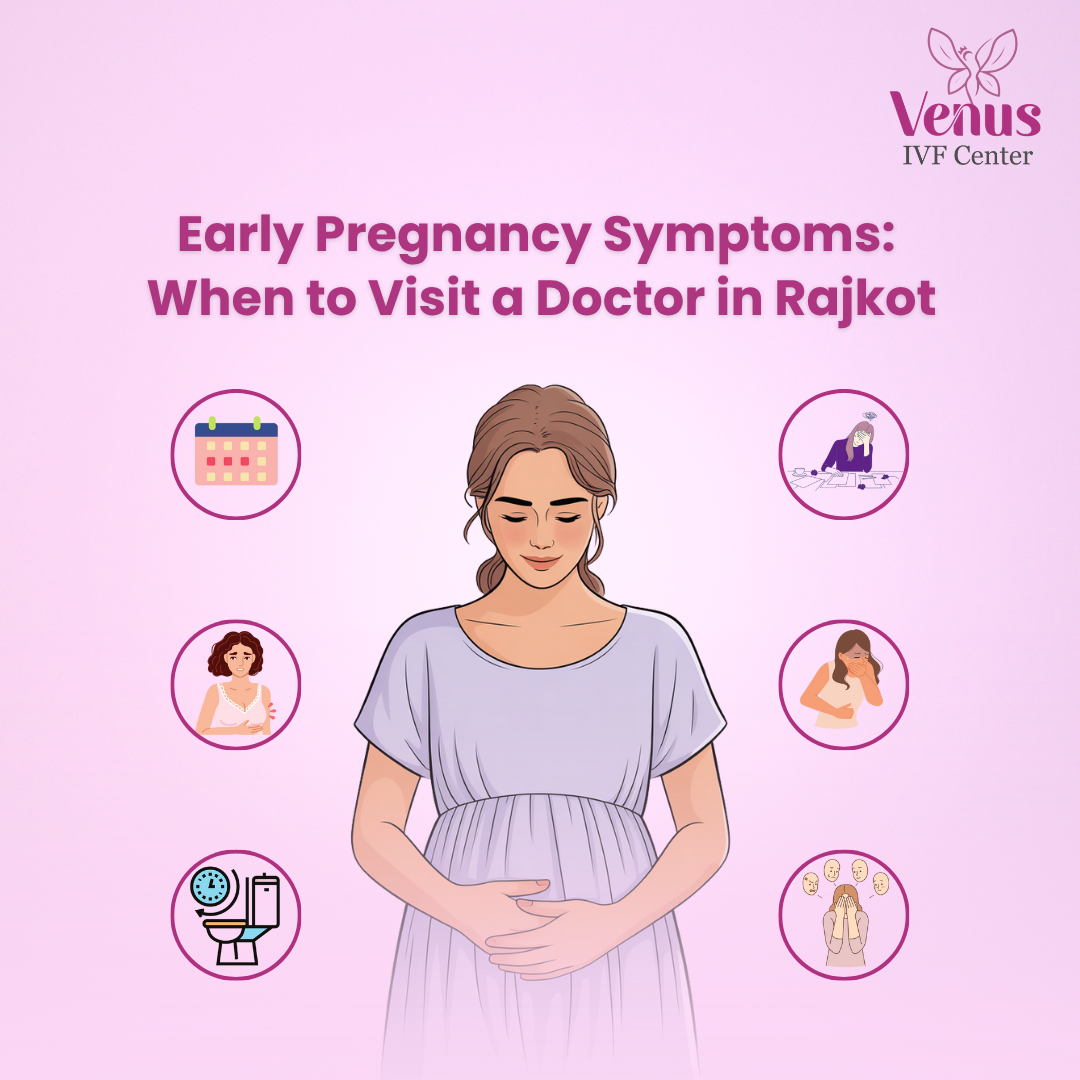
After embryo transfer, your body is flooded with progesterone and oestrogen and these hormones cause symptoms that can feel identical to both early pregnancy and an impending period. This makes symptom-reading extremely unreliable. Here is what our doctors want you to know:
Your post-transfer follow-up schedule at Venus Women's Hospital is not a formality; it is a clinical protocol designed to maximise your IVF success and catch any concerns early. The Beta hCG test confirms a chemical pregnancy. A follow-up hCG 48 hours later confirms the pregnancy is progressing. The first ultrasound scan (usually at 6-7 weeks) confirms foetal heartbeat and rules out ectopic pregnancy.
Each of these steps matters enormously. Even if you are feeling well and confident, please attend every scheduled appointment. Ectopic pregnancy, where the embryo implants in the fallopian tube rather than the uterus, is a rare but serious complication that requires early detection and must be ruled out clinically, regardless of symptoms.
At Venus Women's Hospital, our team of IVF specialists is available for your questions, address your concerns, and provide reassurance throughout this process. You are never alone in this journey; we are with you at every step.
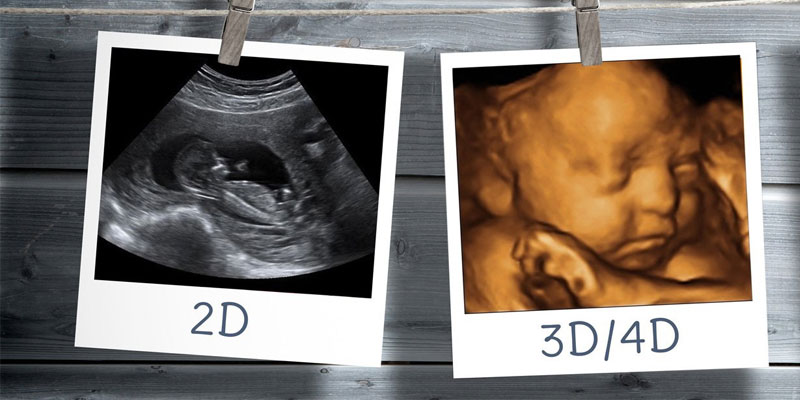
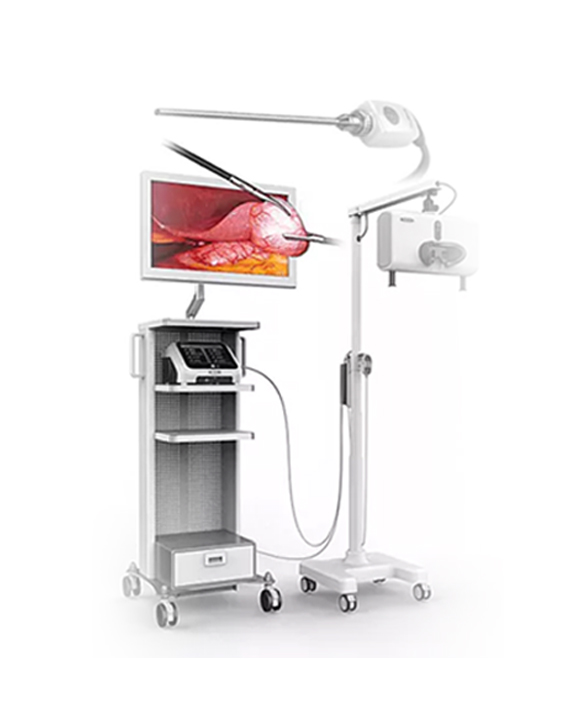
Venus Women's Hospital & IVF Center is the first and most advanced centre for IVF, Laparoscopy, 3D-4D Sonography, and Pregnancy Care in the entire Saurashtra and Kutch region. Since our founding, we have helped hundreds of families across Rajkot, Jamnagar, Bhavnagar, Morbi, and beyond realise their dream of parenthood.
Our IVF department is led by Dr. Rukesh Ghodasara, an IVF Specialist with an MD and a prestigious Diploma in Assisted Reproductive Technology (ART) from Germany, and Dr. Sweta Patel, a highly accomplished IVF Specialist, Sonologist, and DNB, MNAMS-qualified gynaecologist. Together, they bring international-standard IVF expertise to patients right here in Rajkot.
Our IVF laboratory is equipped with state-of-the-art embryology technology. Our team follows strict clinical protocols at every stage from ovarian stimulation and egg retrieval through fertilisation, embryo culture, and transfer, ensuring the highest standards of care and the best possible IVF success outcomes for every patient.
What truly sets Venus apart as Rajkot's best IVF hospital is not just the technology, it is the culture of care. We believe every patient deserves honest information, emotional support, and a team that treats them like family. Our motto, 'Feel Like Second Home Here,' is not a tagline. It is how we practise every single day.
Book Your IVF Consultation at Venus Women's Hospital, Rajkot
"Vijay", Ramdham-2 Corner, Near KKV Circle, Kalavad Road, Rajkot – 360005
+91 90999 00181 | +91 90999 00182
venuswomenshospital@gmail.com
Mon-Sat: 10 AM-1 PM & 5 PM-8 PM | Emergency: 24×7
The embryo transfer is the culmination of weeks of preparation, medical science, and profound hope. What you do in the days that follow, how you nourish your body, manage your emotions, take your medications, and care for yourself, can meaningfully influence the outcome.
You do not need to be perfect. You need to be consistent, calm, and well-guided. At Venus Women's Hospital & IVF Center, every patient receives exactly that: clinical excellence, honest communication, and genuine compassion from Rajkot's most experienced IVF team.
If you are preparing for an embryo transfer, currently in the two-week wait, or planning your first IVF cycle, we invite you to speak with our specialists. Let Venus Women's Hospital be your partner in this journey because you deserve the very best chance.
.jpg)

.jpg)

.png)
.jpg)

.jpg)
.png)
.png)




.png)


.jpg)



.png)
.png)
.png)
.png)