
The decision to pursue IVF is one of the most courageous and hopeful steps a couple can take. Yet before beginning any assisted reproductive technology, there is a powerful window of opportunity, one that is often underestimated. Preparing your body naturally in the months before IVF can meaningfully improve your outcomes, and the science increasingly supports this.
At Venus Women's Hospital & IVF Center, Rajkot's most trusted women's hospital for fertility, gynaecology, and IVF, our specialists work with patients not just on the clinical aspects of treatment, but on whole-body preparation. Because the IVF success rate is not determined by the procedure alone, it is shaped by the health, hormonal balance, and nutritional status of the woman entering treatment.
Whether you have just begun exploring fertility treatment or you are preparing for your first or subsequent IVF cycle, this guide compiles the most effective, evidence-backed natural ways to increase fertility and optimise your body before assisted conception begins. These tips are particularly relevant for women in Rajkot and across the Saurashtra region, where lifestyle, dietary habits, and environmental factors play a distinct role in reproductive health.
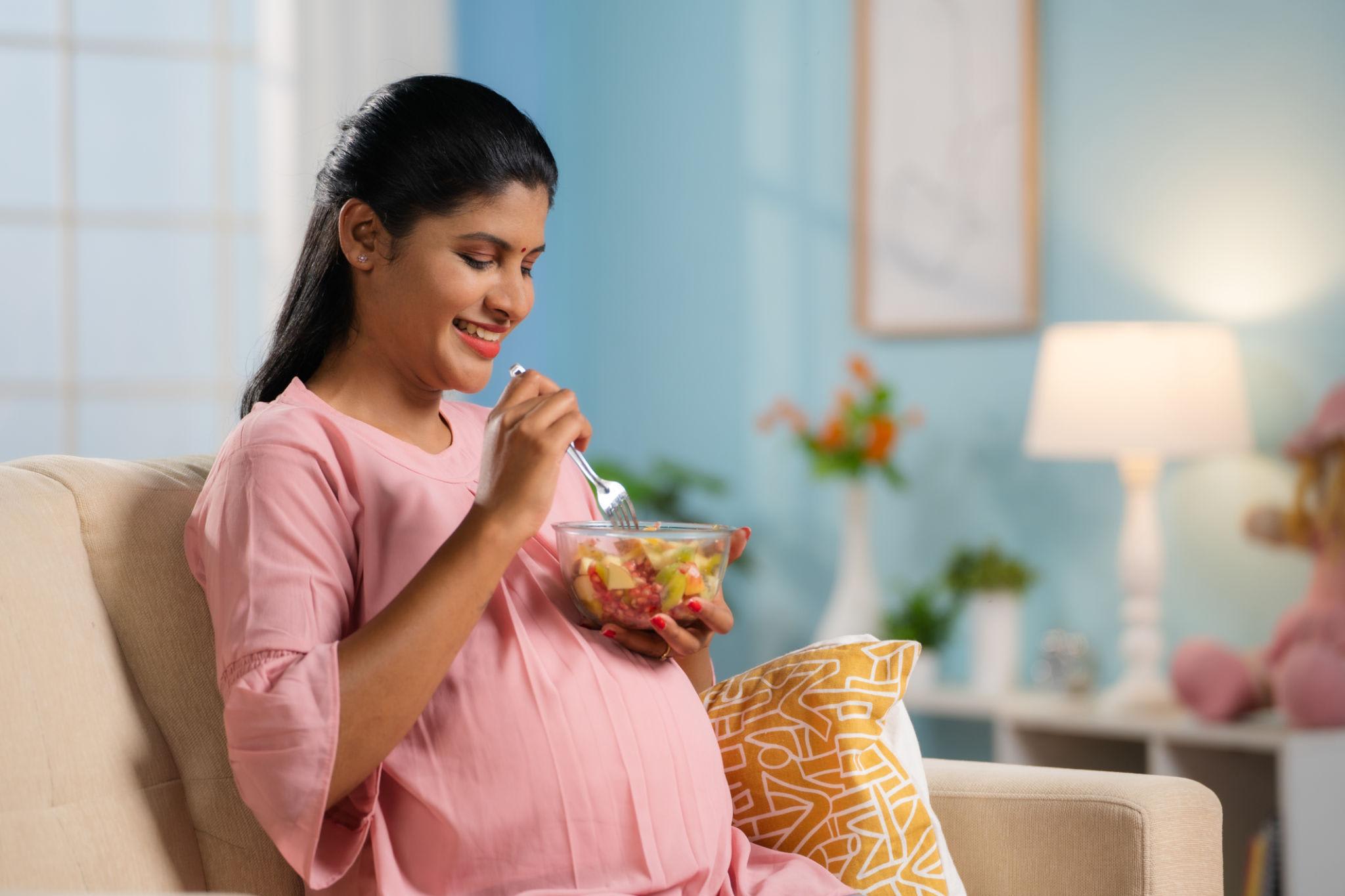
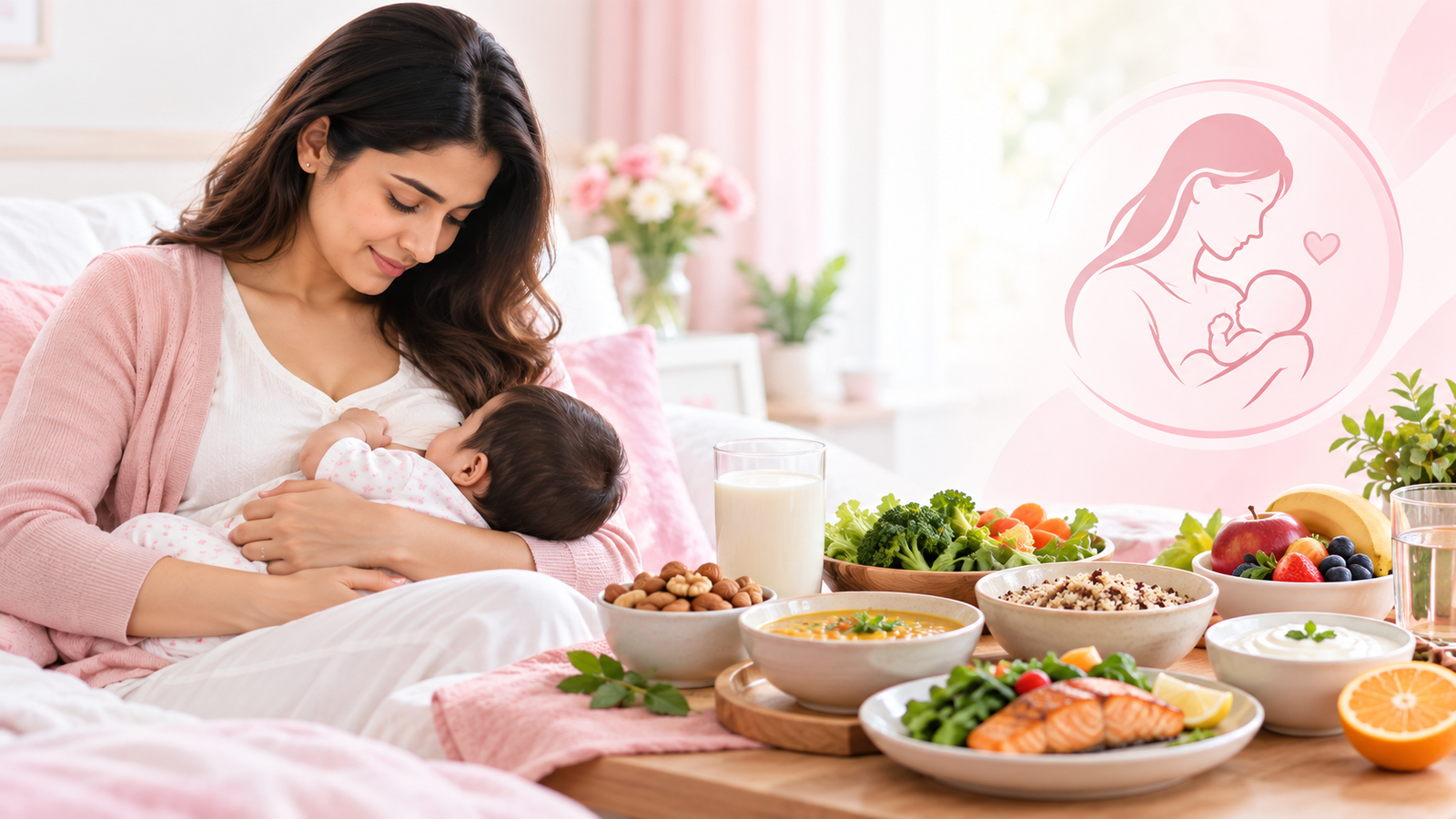
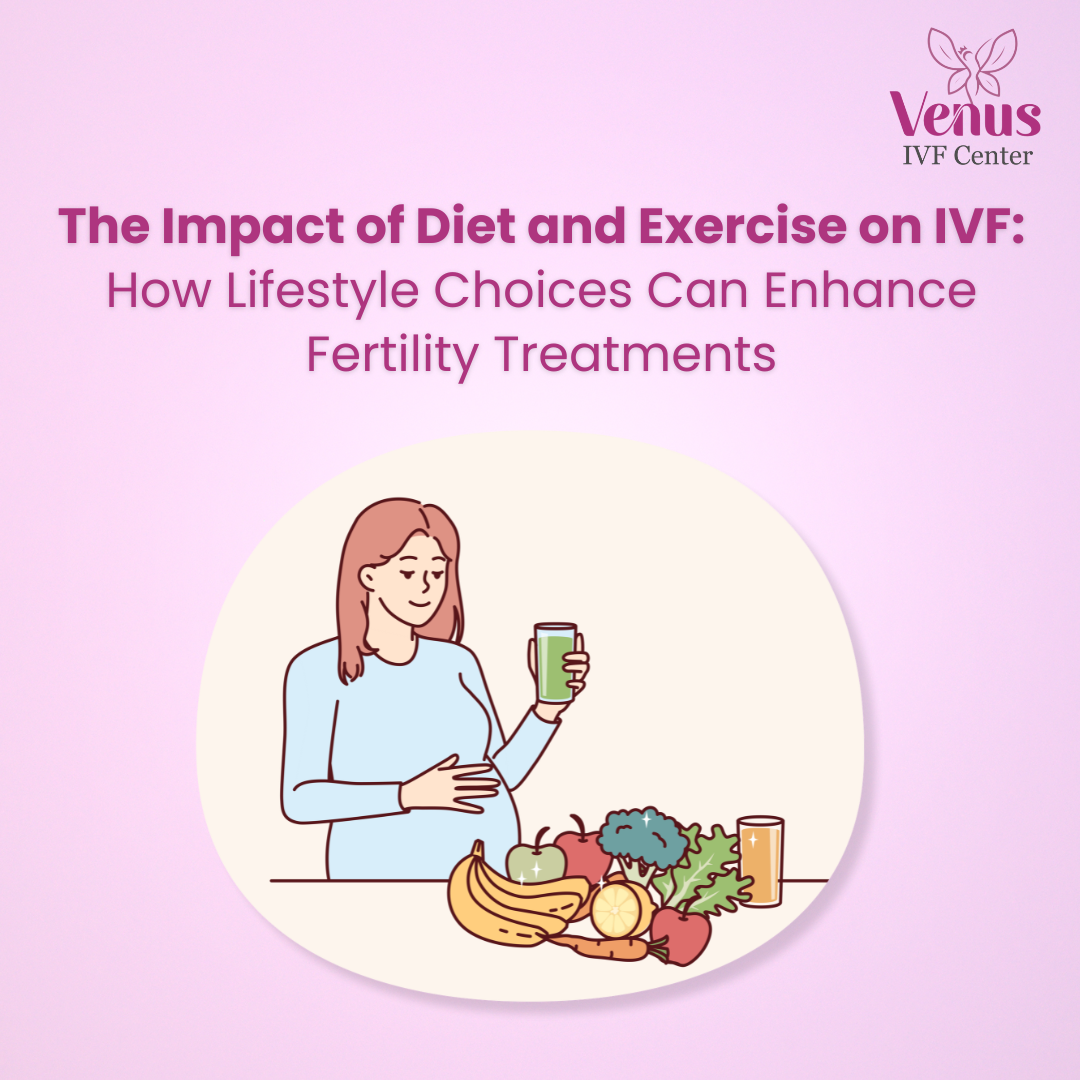
Food is medicine; nowhere is this truer than in reproductive health. One of the most effective natural ways to boost fertility is to adopt a diet rich in whole, unprocessed foods that support hormonal balance, egg quality, and uterine health.
Key nutrients for a woman's fertility boost include folate (found in green leafy vegetables, dal, and fortified foods), iron (spinach, rajma, sesame), zinc (pumpkin seeds, legumes), selenium (Brazil nuts, eggs), and Vitamin D (sunlight, dairy). Omega-3 fatty acids, found in walnuts, flaxseeds, and fatty fish, help reduce inflammation, which is closely linked to ovulatory dysfunction and poor embryo implantation.
A Mediterranean-style diet, emphasising whole grains, legumes, fruits, vegetables, healthy fats like cold-pressed coconut or mustard oil, and lean proteins, has been consistently associated with better IVF outcomes in clinical research. Conversely, diets high in refined carbohydrates, trans fats, and processed sugar have been shown to disrupt insulin sensitivity and hormonal regulation, both of which are critical for fertility.
For women in Rajkot, this means embracing the richness of traditional Gujarati cuisine while reducing ultra-processed snacks, packaged foods, and excessive sugar. Local foods like methi, bajra, til, curry leaves, and seasonal vegetables are not just culturally meaningful; they are scientifically powerful fertility boosters.
Body weight has a profound and direct effect on reproductive hormones. Both underweight and overweight women experience disruptions in the hypothalamic-pituitary-ovarian axis, the hormonal cascade that governs ovulation. This is one of the most clinically significant natural ways to increase fertility that is entirely within a woman's control.
Excess body fat increases the production of oestrogen from adipose tissue, which can disrupt the feedback signals that regulate ovulation. This is frequently seen in women with Polycystic Ovary Syndrome (PCOS) , a condition our team at Venus Women's Hospital manages extensively. Being underweight, on the other hand, can suppress ovulation entirely as the body prioritises survival over reproduction.
A sustained, modest reduction in weight, even 5 to 10% of body weight in women who are overweight, has been shown in multiple clinical studies to restore ovulatory cycles, improve egg quality, and significantly improve IVF success rate. Our fertility specialists recommend a combination of dietary modification and gentle, consistent physical activity rather than extreme dieting, which can backfire by inducing nutritional deficiencies.
Sleep is one of the most overlooked pillars of boosting fertility naturally, yet its impact on reproductive hormones is profound. Melatonin, the hormone that regulates your sleep-wake cycle, is also a potent antioxidant that plays a direct role in protecting egg quality and supporting the uterine lining.
Poor sleep quality or irregular sleep schedules disrupt the production of luteinising hormone (LH) and follicle-stimulating hormone (FSH), both essential for ovulation. Chronic sleep deprivation elevates cortisol (the stress hormone), which competes directly with progesterone, a key hormone for sustaining early pregnancy.
For a natural fertility boost, aim for 7-9 hours of consistent, quality sleep each night. Establish a regular sleep schedule, reduce screen time after 9 PM, and create a sleep environment that is dark, cool, and quiet. Small changes to sleep hygiene can create measurable improvements in hormonal balance within a few weeks and lay the ideal hormonal foundation before beginning IVF.
The relationship between psychological stress and fertility is well-established. Chronic stress activates the hypothalamic-pituitary-adrenal (HPA) axis, flooding the body with cortisol and adrenaline. These hormones, when persistently elevated, interfere with ovulation, implantation, and foetal development.
Fertility journeys, particularly when they involve IVF, carry their own emotional weight. The uncertainty, the timelines, the financial investment, and the physical demands can create a cycle of anxiety that itself becomes a barrier to fertility success. This is why stress management is not merely complementary to treatment; it is a core part of it.
Effective, evidence-supported approaches to stress reduction include yoga (particularly restorative and yin yoga), meditation, pranayama (controlled breathing), journaling, and counselling. Regular practice of mindfulness has been shown to reduce cortisol, improve sleep, and support healthier hormonal profiles in women undergoing fertility treatment. At Venus Women's Hospital, we understand the emotional dimension of fertility care and encourage patients to build a stress management routine as part of their IVF preparation.
Regular, moderate physical activity is a well-recognised natural way to boost fertility. Exercise improves insulin sensitivity, supports healthy weight management, reduces inflammation, and enhances blood circulation to the reproductive organs, all of which contribute to improved egg quality and uterine receptivity.
However, the keyword is moderation. Excessive high-intensity exercise, particularly when combined with low caloric intake, can suppress ovulation through a condition called hypothalamic amenorrhea. Women who over-exercise may stop menstruating or have irregular cycles, making conception significantly harder.
The ideal exercise regimen for women preparing for IVF includes 30-45 minutes of moderate activity, brisk walking, swimming, cycling, or yoga, on most days of the week. High-impact, intense workouts such as HIIT or heavy weightlifting are best reduced in the lead-up to an IVF cycle. Listen to your body, and let your fertility specialist guide adjustments based on your specific protocol.
This may be the most impactful single lifestyle change for increasing fertility naturally. Smoking is directly toxic to eggs, damages the DNA within developing follicles, accelerates the depletion of ovarian reserve, and is linked to significantly lower IVF success rates. Women who smoke at the time of IVF require higher doses of stimulation medication and achieve poorer embryo quality than non-smokers.
Alcohol, even in moderate amounts, disrupts oestrogen metabolism and has been associated with reduced ovarian response in IVF cycles. While the occasional social drink is less harmful than daily consumption, complete abstinence in the months before IVF is the gold standard recommended by fertility specialists worldwide.
Caffeine deserves special mention. While one cup of coffee per day is generally considered safe, high caffeine intake (more than 200–300mg daily) has been linked to delayed conception and increased miscarriage risk. Chai, coffee, energy drinks, and even some carbonated sodas all contribute to the caffeine load. Switching to herbal infusions, warm lemon water, or low-caffeine alternatives during fertility preparation is a simple but meaningful change.
Targeted nutritional supplementation is a well-validated women's fertility boost strategy, but it must be approached with guidance from a qualified gynaecologist or fertility specialist. Not all supplements are safe or appropriate for every patient, and incorrect dosing can be counterproductive.
Supplements with strong evidence for improving fertility include:
Always discuss supplementation with your doctor before starting. At Venus Women's Hospital, our IVF specialists create personalised supplement protocols based on each patient's blood work, diagnosis, and treatment plan.
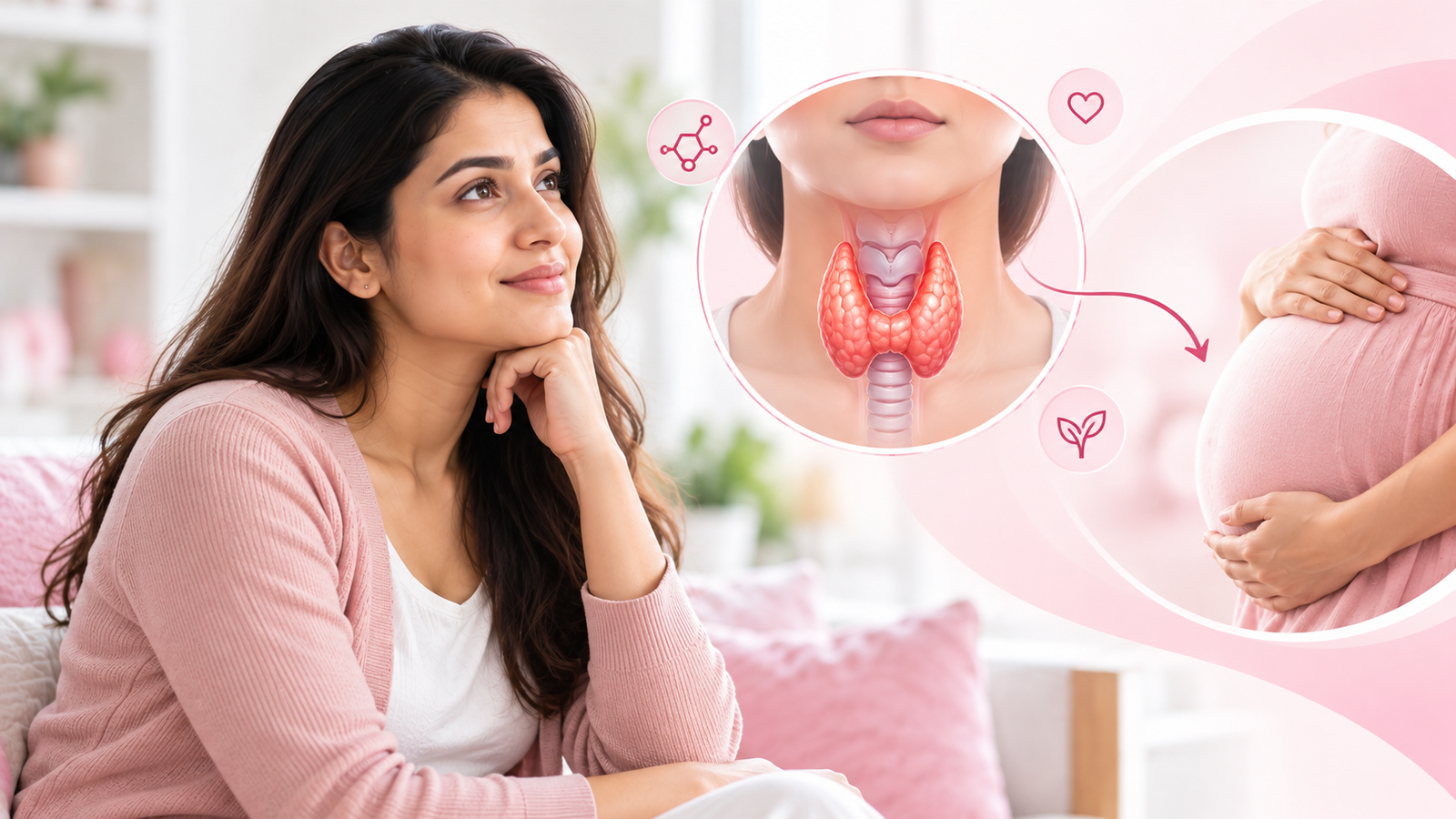
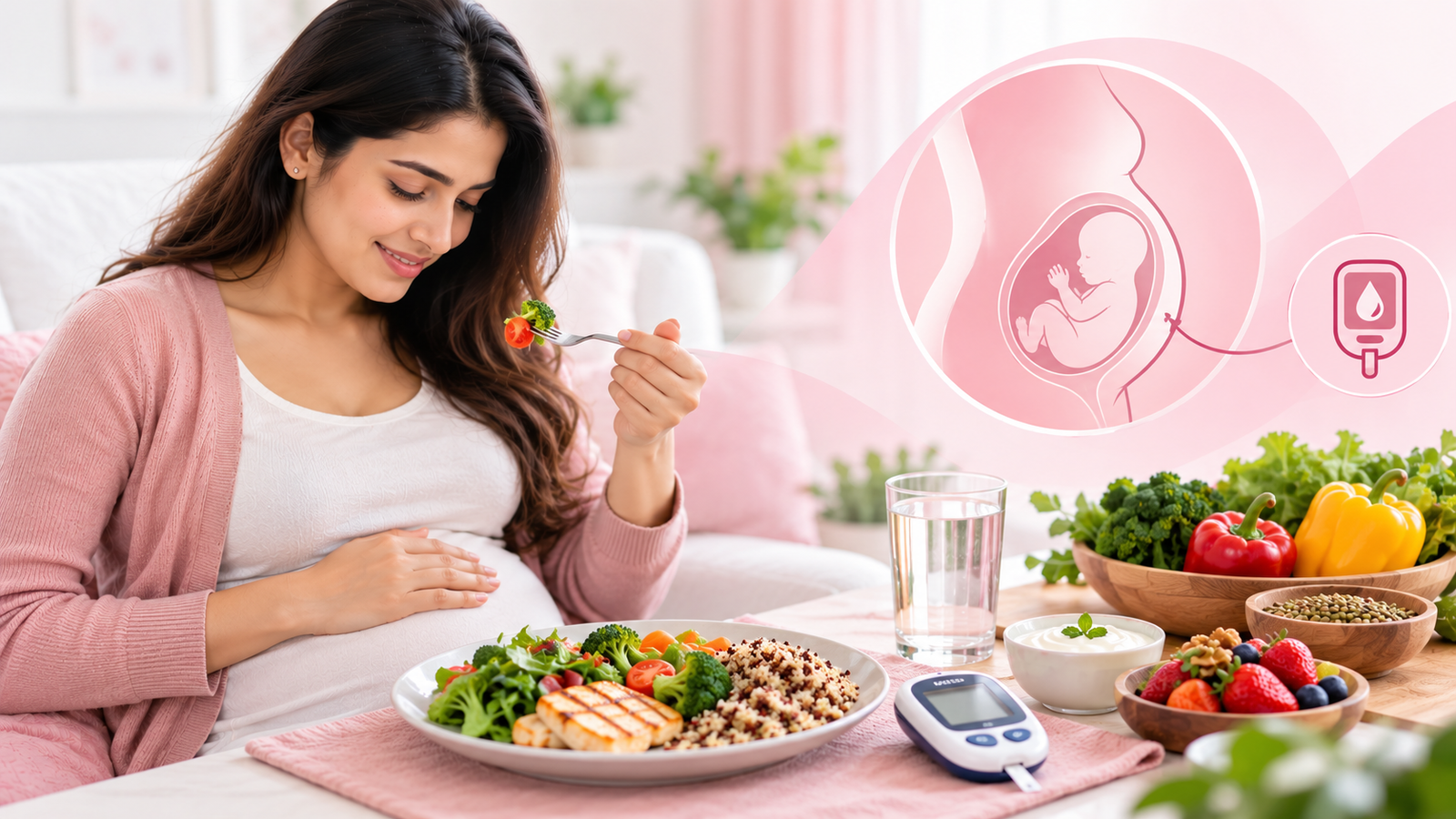
Two of the most commonly underdiagnosed contributors to female infertility in India are thyroid dysfunction and insulin resistance. Both are highly prevalent in Gujarati and Saurashtra women, and both can be meaningfully improved through natural lifestyle interventions before IVF begins.
Even subclinical hypothyroidism, where TSH levels are mildly elevated but still within the 'normal' range, is associated with reduced fertility, higher miscarriage rates, and poorer IVF outcomes. A TSH level below 2.5 mIU/L is now considered optimal for women planning pregnancy. Our specialists at Venus Women's Hospital routinely test and optimise thyroid function as part of the pre-IVF workup.
Insulin resistance, which underlies PCOS in many women, disrupts the hormonal environment needed for ovulation and healthy egg development. A diet low in refined carbohydrates, regular physical activity, and targeted supplements like inositol can improve insulin sensitivity naturally and meaningfully, and represent some of the most practical natural ways to boost fertility available to women with PCOS.
Endocrine-disrupting chemicals (EDCs), substances found in plastics, pesticides, household cleaners, cosmetics, and food packaging, can interfere with hormonal signalling and negatively affect egg quality, ovarian reserve, and uterine receptivity. While complete avoidance is not possible in modern life, reducing exposure is a meaningful and evidence-supported step towards increasing fertility naturally.
Practical steps include switching to glass or stainless steel containers for food and water storage, avoiding heating food in plastic containers, choosing organic produce where possible (particularly for the 'dirty dozen' fruits and vegetables with the highest pesticide loads), using fragrance-free, paraben-free personal care products, and ventilating your home regularly to reduce indoor air pollutants.
In Rajkot's urban environment, where industrial and vehicular pollution is a reality, supporting the body's natural detoxification pathways through hydration, fibre-rich foods, and antioxidant-rich vegetables is particularly relevant. These steps collectively create a cleaner internal environment for egg development and embryo implantation.
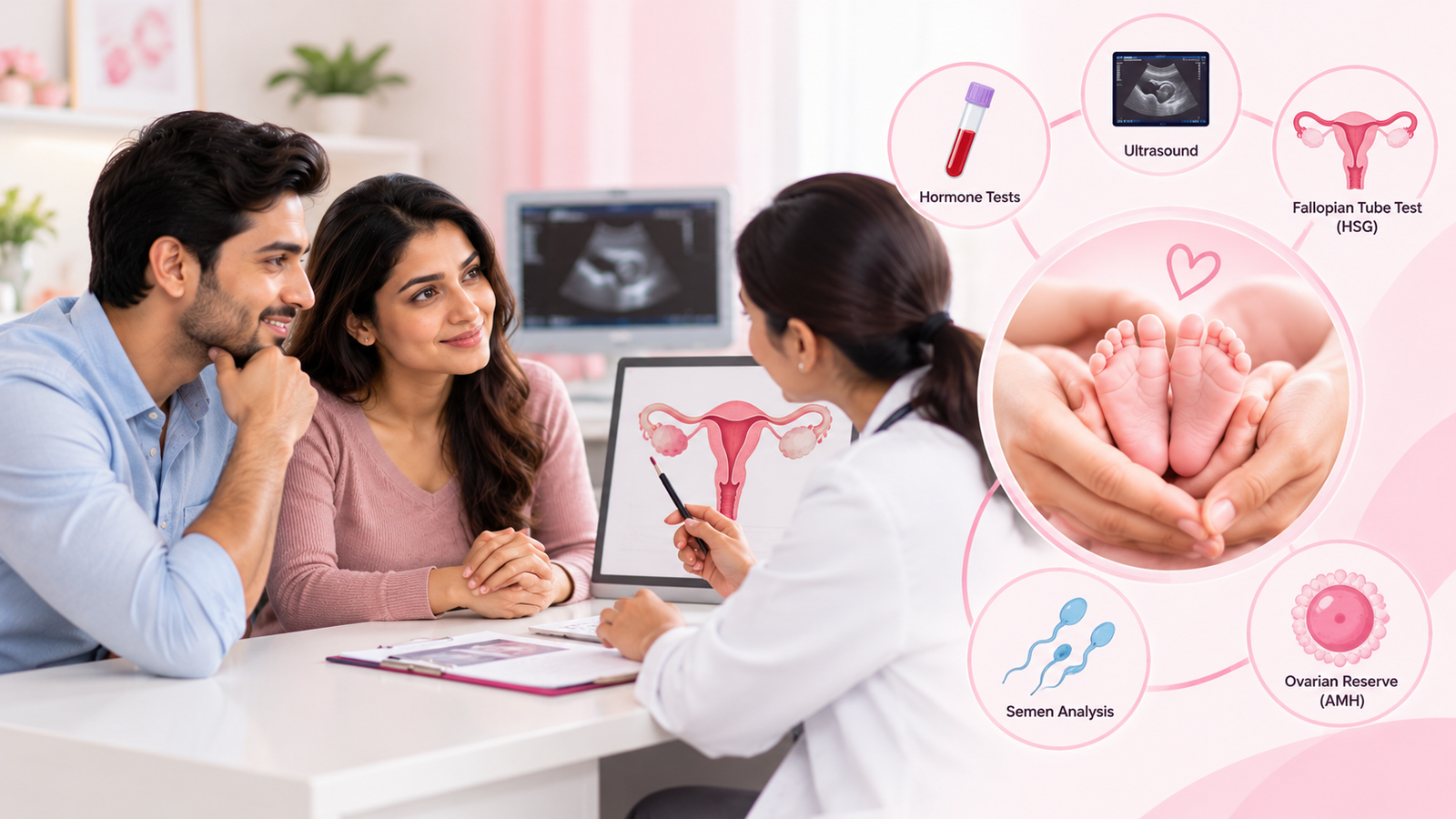
Natural preparation for IVF is most powerful when guided by a clear clinical picture. Before beginning lifestyle changes, and certainly before starting an IVF cycle, a comprehensive fertility assessment gives both you and your specialist the information needed to personalise your approach and improve fertility success.
A thorough pre-IVF workup at a specialist female hospital typically includes an Anti-Müllerian Hormone (AMH) test to assess ovarian reserve, a baseline antral follicle count via ultrasound, a hormonal panel (FSH, LH, oestradiol, prolactin, thyroid, testosterone), hysteroscopy or sonohysterography to evaluate the uterine cavity, and semen analysis for the male partner.
Armed with this data, your IVF specialist can recommend targeted interventions, whether that is 3 months of CoQ10 supplementation to improve egg quality, weight optimisation, thyroid treatment, or surgical correction of a uterine abnormality, all of which directly improve the odds of IVF success rate outcomes.
At Venus Women's Hospital, Dr. Prakash Parmar, Dr. Sweta Patel, Dr. Avani Kannar, and Dr. Rukesh Ghodasara work collaboratively to offer every patient a thorough, compassionate, and individualised pre-IVF assessment. We believe that preparation is not a delay; it is an investment in your success.
This is one of the most common questions our patients ask. The answer is: ideally, 3 to 6 months before your planned IVF cycle.
The reason is biological. An egg takes approximately 90 days to mature from a primordial follicle to a mature, ovulatable egg, a process called folliculogenesis. The nutritional environment, oxidative stress levels, and hormonal balance present during this 90-day window directly influence the quality of the eggs that will be retrieved during IVF stimulation.
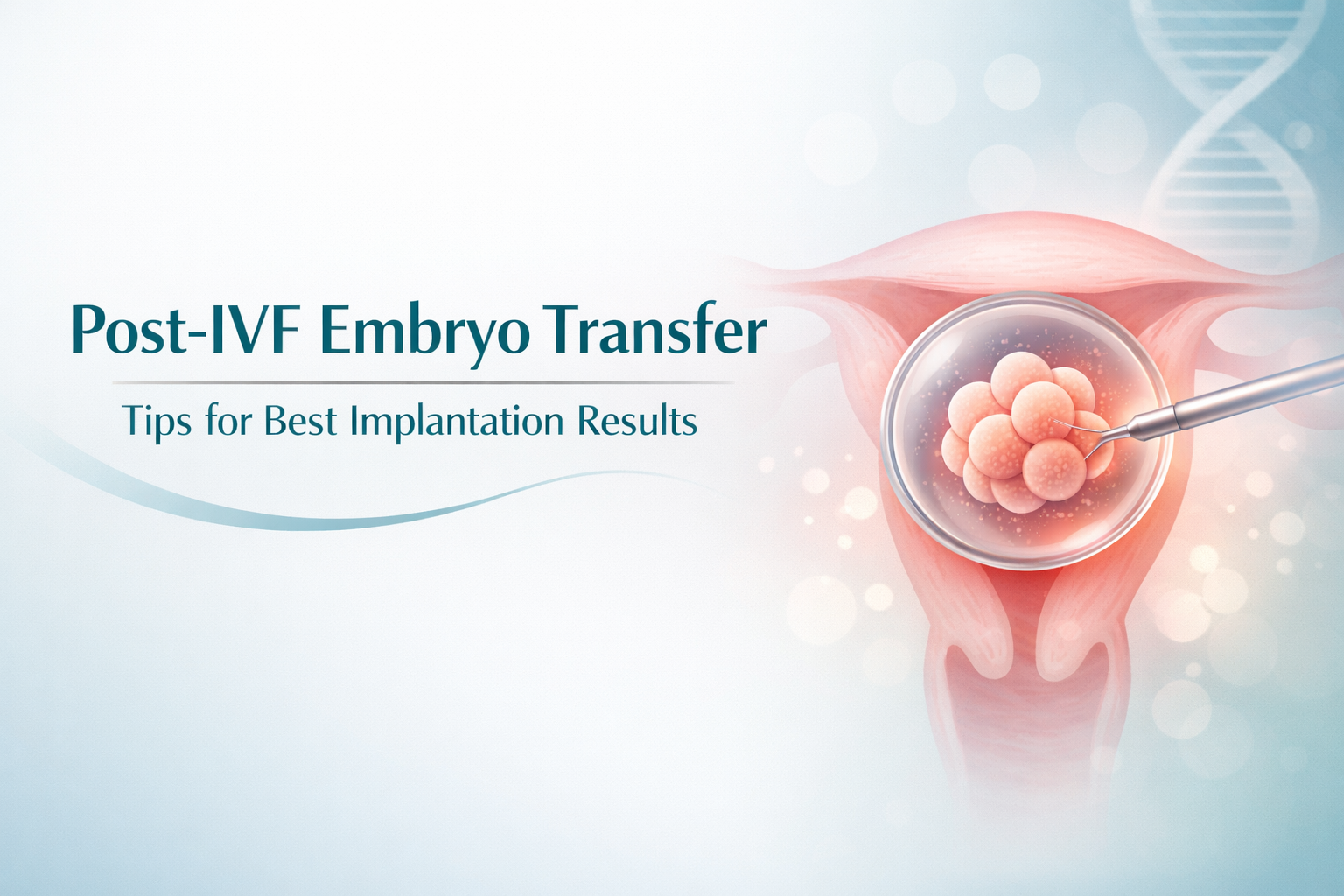
Similarly, the uterine lining needs time to be optimised through nutritional support, resolution of any inflammatory conditions, and hormonal balance. Three months of consistent, targeted natural preparation give your body the best possible foundation for the demanding process of IVF stimulation, retrieval, fertilisation, and embryo transfer.
If 3-6 months is not available due to age, clinical urgency, or diminished ovarian reserve, even 4-6 weeks of focused lifestyle improvement can make a meaningful difference. The important thing is to start now.
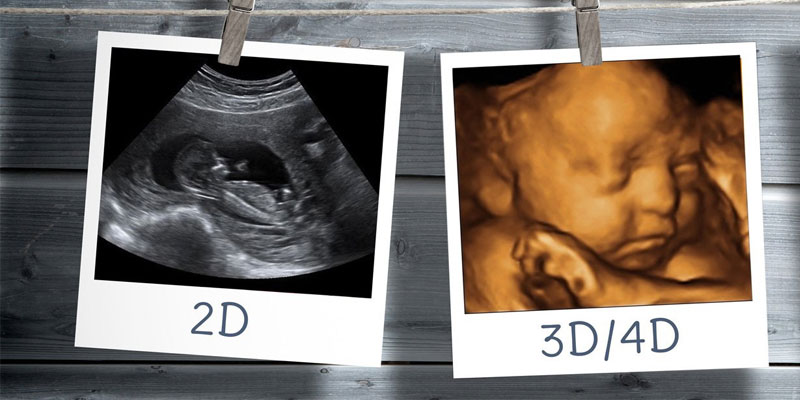
When it comes to fertility treatment in Rajkot, Venus Women's Hospital & IVF Center stands in a class of its own. As the first ultramodern, advanced centre for IVF, Laparoscopy, 3D-4D Sonography, and comprehensive Pregnancy Care in the entire Saurashtra and Kutch region, Venus has become the most recognised and trusted female hospital for women seeking fertility solutions.
Our four specialist gynaecologists bring together decades of combined clinical expertise. Dr. Prakash Parmar (MD OBS & GYNAEC) is a highly skilled Advanced Endoscopic Surgeon and High Risk Pregnancy Expert. Dr. Sweta Patel (MBBS, DGO, DNB, MNAMS) is a leading IVF Specialist and Sonologist. Dr. Avani Kannar (MBBS, DGO) specialises in High Risk Pregnancy and Infertility. Dr. Rukesh Ghodasara (MD, Diploma in ART from Germany) is a respected IVF Specialist and Endoscopic Surgeon with international training.
Together, they offer patients the best of both worlds: cutting-edge reproductive technology in a warm, compassionate environment that truly feels like a second home. Hundreds of couples across Rajkot, Saurashtra, and Kutch have realised their dream of parenthood at Venus, and every one of those journeys began with honest, expert guidance and personalised care.
What sets Venus apart as a women's hospital is not just the technology, it is the people. Our team's commitment to patient education, emotional support, and clinical excellence means that every patient receives not just world-class treatment but the knowledge and confidence to participate actively in their own fertility journey.
Location: Vijay", Ramdham-2 Corner, Near KKV Circle, Kalavad Road, Rajkot – 360005
Call: +91 90999 00181 | +91 90999 00182
Mail: venuswomenshospital@gmail.com
Time: Mon–Sat: 10:00 AM–1:00 PM | 5:00 PM–8:00 PM | Emergency: 24x7
The journey to parenthood through IVF is one of the most significant undertakings of a person's life. Natural preparation, through nutrition, lifestyle, stress management, and targeted supplementation, does not guarantee a specific outcome, but it meaningfully shifts the odds in your favour by improving the biological environment in which the IVF process unfolds.
Boosting fertility naturally before IVF is not about perfection. It is about consistent, intentional choices made with the right guidance. And the right guidance, in Rajkot, begins at Venus Women's Hospital & IVF Center.
Take the first step. Speak to our specialists. Let Venus be your partner in this journey, because every woman deserves the best possible chance.
.jpg)

.jpg)


.png)
.jpg)


.jpg)
.png)
.png)




.png)


.jpg)



.png)
.png)
.png)
.png)