
Experiencing a pregnancy loss can be physically and emotionally challenging. When pregnancy loss happens more than once, couples may have concerns about why it is happening, whether further testing is needed, and what can be done to plan for a future pregnancy.
Recurrent Pregnancy Loss (RPL), also referred to as recurrent miscarriage, can have several possible causes. These may involve genetic, hormonal, anatomical, autoimmune, metabolic, or other reproductive health factors. In some cases, no definite cause is identified even after a thorough evaluation.
Understanding recurrent pregnancy loss causes, evaluation options, and future pregnancy planning can help couples make informed decisions about their reproductive health.
At Venus Women's Hospital & IVF Center, we provide comprehensive reproductive health evaluation and individualized care for women experiencing recurrent pregnancy loss, with a focus on understanding possible contributing factors and supporting future pregnancy planning.
Recurrent Pregnancy Loss refers to repeated pregnancy losses. Medical definitions can vary depending on the clinical guideline being followed, so evaluation is generally based on an individual's pregnancy history and overall health.
While miscarriage can occur for many reasons and a single pregnancy loss is relatively common, repeated losses may warrant further medical assessment.
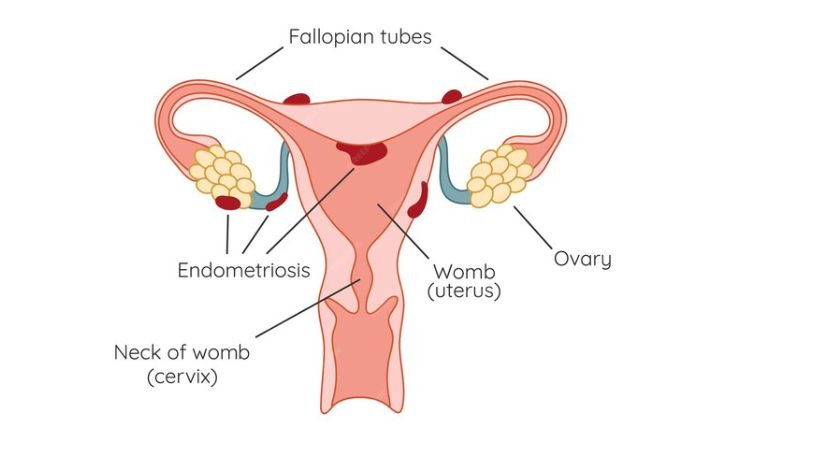
Possible factors associated with recurrent pregnancy loss include:
Sometimes, no specific cause is identified. This does not mean that future pregnancy is impossible. A specialist can help determine whether additional evaluation or monitoring may be appropriate.
There is no single cause of recurrent pregnancy loss. Different factors may contribute depending on an individual's age, medical history, reproductive health, and previous pregnancy outcomes.
Potential causes or associated factors may include:
In some couples, investigations may not identify a clear explanation. A detailed medical history and appropriate testing can help determine which factors should be considered.
A specialist consultation may be appropriate after repeated pregnancy losses or when there are specific concerns about reproductive health.
You may consider discussing your situation with a specialist if you have experienced:
The timing and extent of evaluation should be individualized. Your doctor may review your previous pregnancy history before recommending specific investigations.
There is no single test that can identify every cause of recurrent pregnancy loss. Evaluation is generally tailored to the individual's medical and reproductive history.
Depending on the situation, assessment may include:
The purpose of evaluation is to identify potentially treatable or manageable factors and provide appropriate guidance for future pregnancy planning.
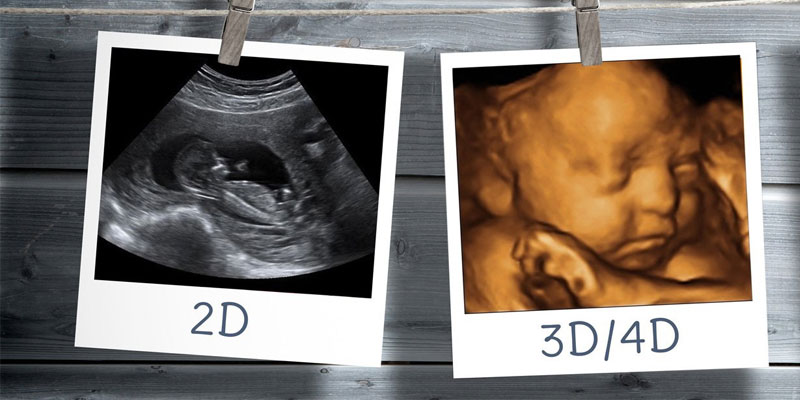
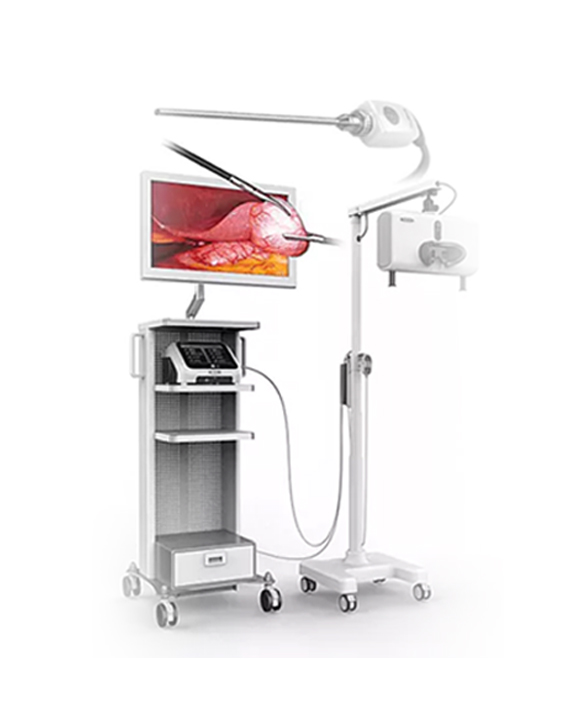
Yes. Ultrasound is commonly used to assess the uterus, ovaries, and other reproductive structures.
Depending on the type of examination, ultrasound may help identify:
At Venus Women's Hospital & IVF Center, our 3D-4D Sonography and Ultrasound Center provides advanced imaging services that may support reproductive health assessment when clinically indicated.
Certain hormonal and metabolic conditions may affect reproductive health and pregnancy outcomes.
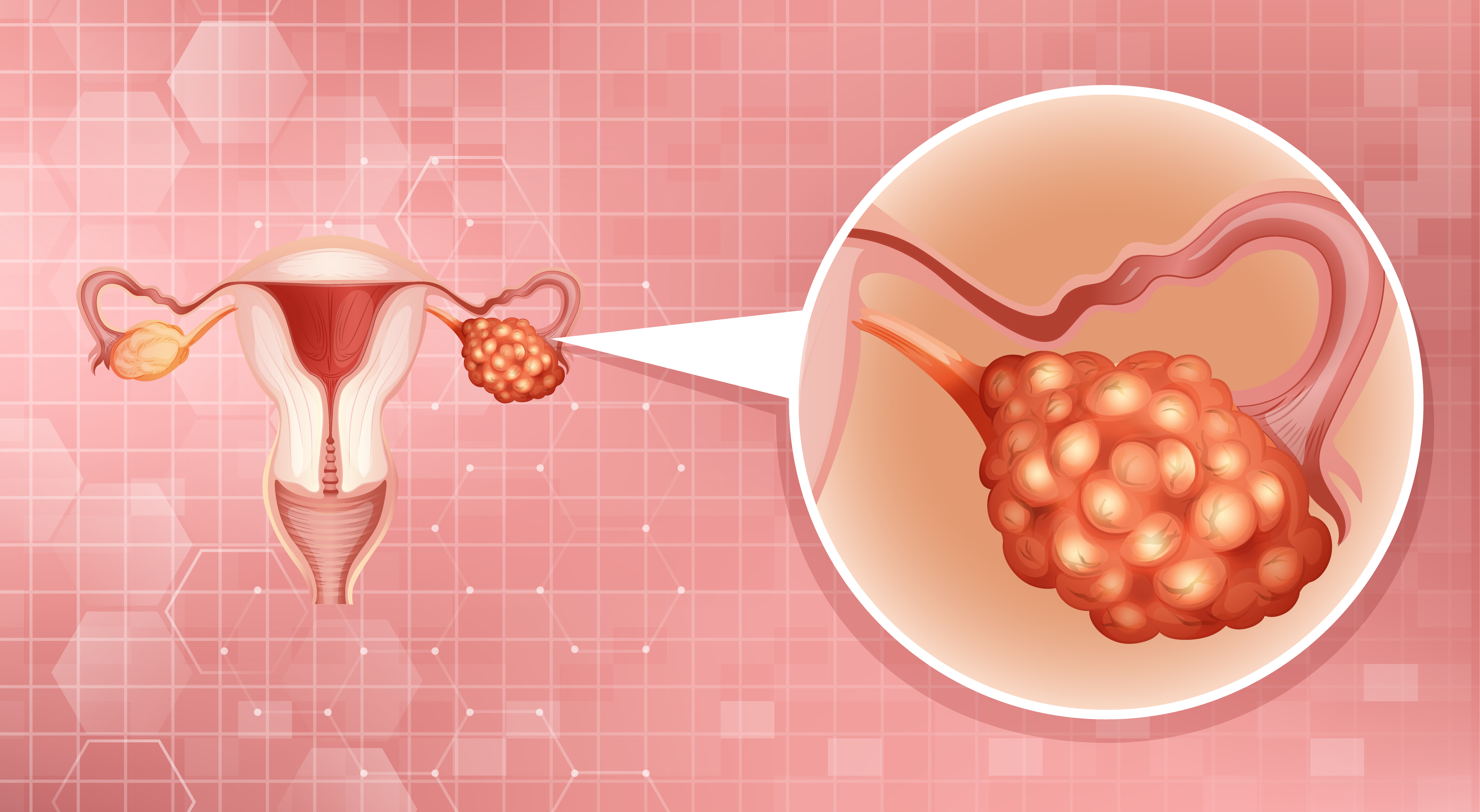
Examples include:
Not every hormonal abnormality causes miscarriage, and treatment depends on the specific condition. A specialist may recommend appropriate blood tests or other assessments when the medical history suggests they are necessary.
No. Recurrent pregnancy loss does not automatically mean that a woman cannot become pregnant.
RPL and infertility are different reproductive health concerns, although they can sometimes share underlying factors.
Some women with recurrent pregnancy loss may conceive again naturally, while others may benefit from treatment or additional reproductive support depending on the cause identified.
A specialist can assess factors such as age, ovulation, uterine health, previous pregnancy history, and other medical conditions when developing a future pregnancy plan.
Treatment depends entirely on the underlying cause, and there is no single treatment suitable for every patient.
Depending on the evaluation findings, management may involve:
When no specific cause is identified, your specialist may focus on pre-pregnancy counseling, appropriate monitoring, and individualized pregnancy planning.
Planning another pregnancy after miscarriage can understandably feel stressful. A preconception consultation may help identify health factors that should be addressed before trying again.
Your specialist may discuss:
A personalized plan can provide a clearer path forward and help ensure that any identified medical concerns are appropriately managed.
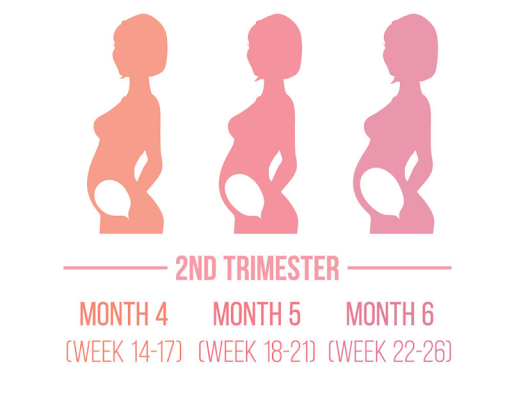
Women with a history of recurrent pregnancy loss may receive individualized monitoring during a subsequent pregnancy.
After a positive pregnancy test, your doctor may recommend an early consultation to review your medical history and determine an appropriate monitoring plan.
Ultrasound examinations may be used at clinically appropriate stages to assess pregnancy development and provide information about the progress of the pregnancy.
Conditions such as thyroid disorders, diabetes, blood pressure concerns, or other health issues may require appropriate monitoring during pregnancy.
Regular follow-up allows the healthcare team to review pregnancy progression and address concerns when necessary.
The frequency and type of monitoring depend on individual circumstances and should be determined by your treating specialist.
Maintaining overall health can be an important part of preconception care.
Helpful habits may include:
Lifestyle changes cannot guarantee prevention of miscarriage, but maintaining good overall health can support pregnancy preparation.
Pregnancy loss can affect emotional well-being as well as physical health. Individuals and couples may experience grief, anxiety, fear, frustration, or uncertainty about future pregnancies.
Emotional support can be an important part of recovery.
Depending on individual needs, support may include:
Seeking emotional support is not a sign of weakness. Professional counseling may help individuals and couples cope with pregnancy loss and the emotional challenges associated with future pregnancy planning.
Consider consulting a gynecologist or fertility specialist if you have:
A specialist evaluation can help determine whether further investigations are appropriate and provide individualized guidance for future pregnancy planning.
If you have experienced multiple pregnancy losses, understanding the possible contributing factors is an important first step toward informed future pregnancy planning.
At Venus Women's Hospital & IVF Center, our team provides comprehensive reproductive health evaluation and personalized care for women experiencing recurrent miscarriage. Depending on individual needs, evaluation may include fertility assessment, hormonal investigations, ultrasound imaging, pregnancy planning, and specialist follow-up.
Our approach focuses on understanding each patient's medical history and providing care based on individual clinical findings rather than using a one-size-fits-all treatment plan.
Learn more about Recurrent Miscarriage Care in Rajkot and discuss your pregnancy planning concerns with our specialists.
Yes. Several genetic, anatomical, hormonal, metabolic, autoimmune, and other factors may be associated with recurrent pregnancy loss. In some cases, no specific cause is identified.
A specialist may recommend an evaluation after recurrent pregnancy losses. The appropriate tests depend on the individual's pregnancy history, age, medical conditions, and clinical circumstances.
Yes. Recurrent pregnancy loss does not mean that a successful future pregnancy is impossible. The chances and appropriate management depend on individual factors and whether an underlying cause is identified.
Yes. Depending on medical history, a specialist may recommend individualized follow-up and ultrasound or maternal health monitoring during a future pregnancy.
A fertility evaluation may provide useful information about reproductive health and identify factors that could be relevant to future pregnancy planning.
Yes. Emotional well-being is an important part of recovery. Counseling or professional mental health support may be helpful for individuals or couples experiencing grief, anxiety, or stress.
Explore related services at Venus Women's Hospital & IVF Center:
Experiencing recurrent pregnancy loss can raise many questions about reproductive health and future pregnancy. While repeated miscarriage may have several possible causes, an appropriate medical evaluation can help identify factors that may require further investigation or management.
Future pregnancy planning should be individualized based on medical history, previous pregnancy outcomes, age, reproductive health, and evaluation findings. With appropriate specialist guidance and follow-up, couples can make informed decisions about their next steps.
If you have experienced recurrent pregnancy loss or are concerned about planning another pregnancy, consider speaking with a qualified gynecologist or fertility specialist for personalized guidance.
.jpg)

.jpg)



.png)

.jpg)





.jpg)


.png)
.png)






.png)


.jpg)





.png)
.png)

.png)
.png)