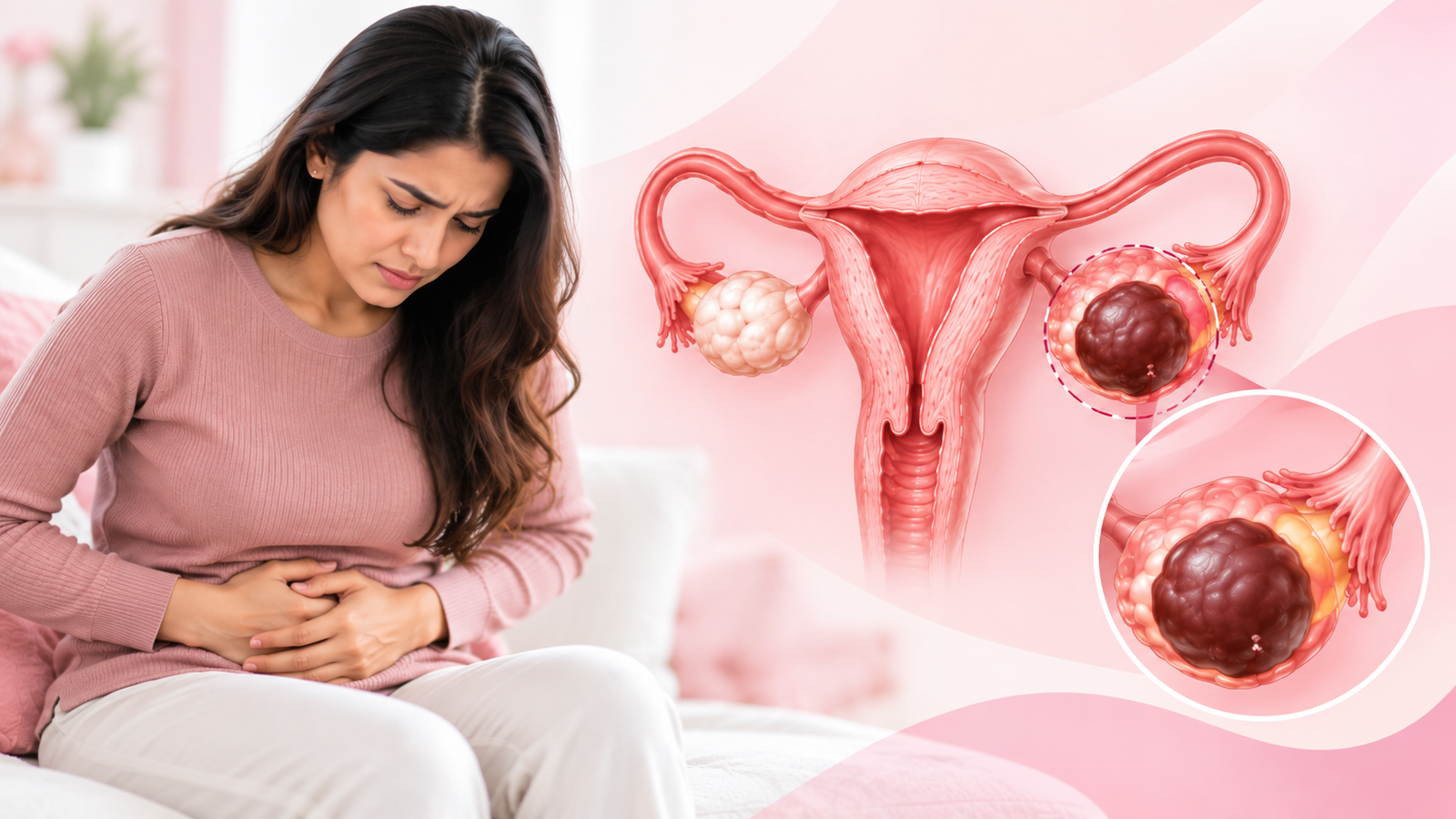
PMOS (Polyendocrine Metabolic Ovarian Syndrome), formerly known as PCOS (Polycystic Ovary Syndrome), is one of the most common hormonal and metabolic conditions affecting women of reproductive age. It can influence menstrual cycles, hormone levels, weight management, skin health, and fertility.
While medical evaluation and treatment play an important role, lifestyle modifications are often a key part of long-term PMOS management.
Healthy habits such as balanced nutrition, regular physical activity, quality sleep, and stress management can support overall well-being and may help women better manage PMOS-related symptoms.
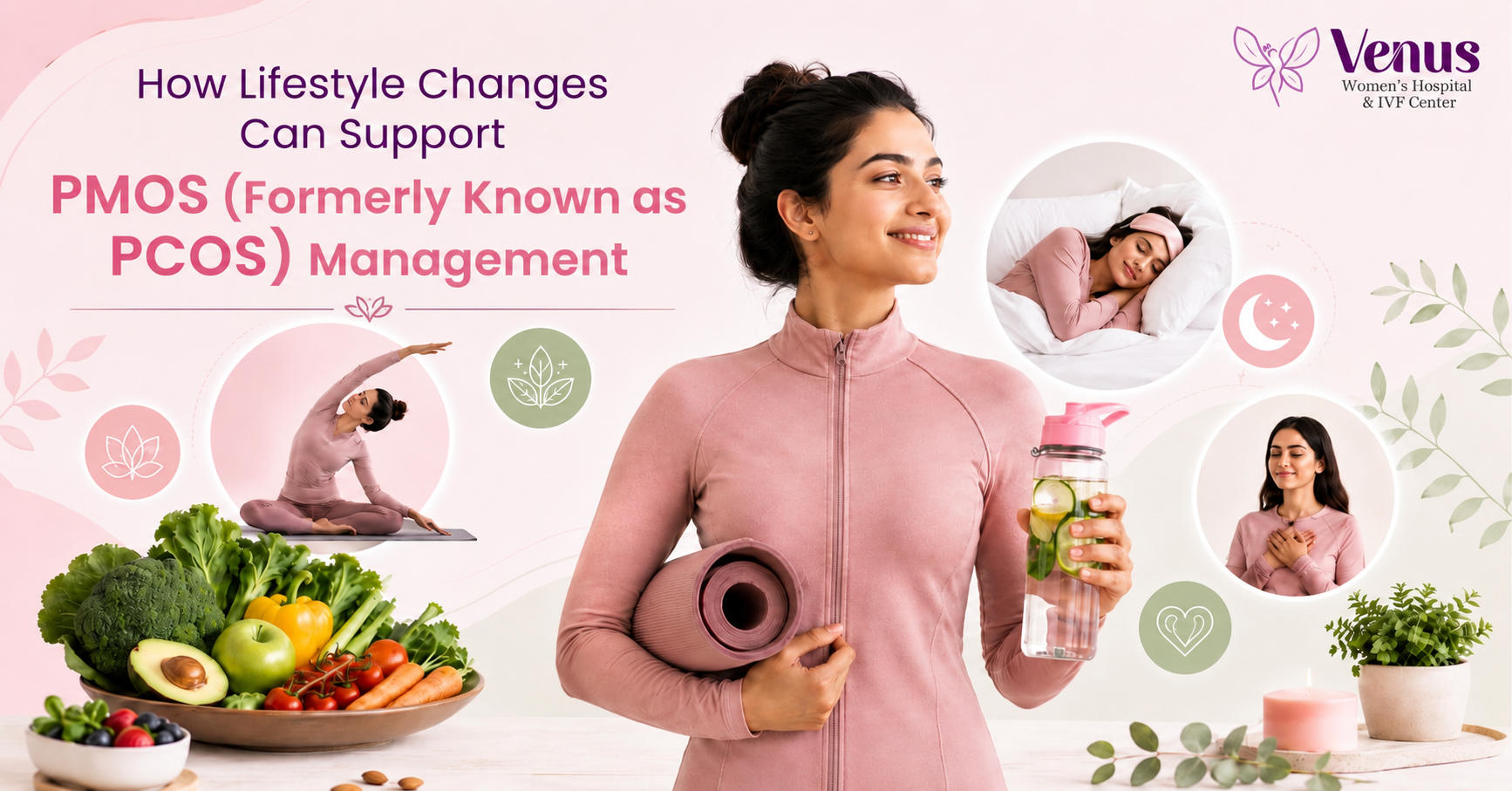
At Venus Women's Hospital & IVF Center, we encourage a comprehensive approach that combines medical guidance with sustainable lifestyle practices for women living with PMOS (formerly known as PCOS).
Recent medical updates have introduced the term PMOS (Polyendocrine Metabolic Ovarian Syndrome) as the updated name for what has traditionally been known as PCOS (Polycystic Ovary Syndrome).
The updated terminology reflects that this condition involves not only the ovaries but also broader hormonal (endocrine) and metabolic health.
Because many women are still familiar with the term PCOS, both PMOS and PCOS are used throughout this article for better understanding and easier online search.
PMOS is often associated with hormonal imbalance and insulin resistance. These factors can contribute to symptoms such as:
Lifestyle modifications may support:
While every woman experiences PMOS differently, healthy lifestyle habits can play a supportive role in managing symptoms and improving long-term health.
Learn more about diagnosis and management by visiting our PMOS (Formerly Known as PCOS) & PCOD Treatment in Rajkot service page.
A balanced and nutritious diet is an important part of PMOS lifestyle management.
Fiber-rich foods may support healthy digestion and overall metabolic health.
Reducing processed foods and sugary beverages may support healthier eating habits.
Regular physical activity is an important component of a healthy lifestyle.
Women with PMOS can choose activities they enjoy, including:
Consistency is often more beneficial than occasional intense workouts.
Small daily habits can make a meaningful difference in maintaining overall health.
Quality sleep plays an important role in overall health and hormonal well-being.
Living with PMOS can sometimes be stressful, particularly when symptoms affect daily life or reproductive health goals.
Healthy stress management strategies may include:
Healthy lifestyle practices may contribute to long-term health and overall well-being.
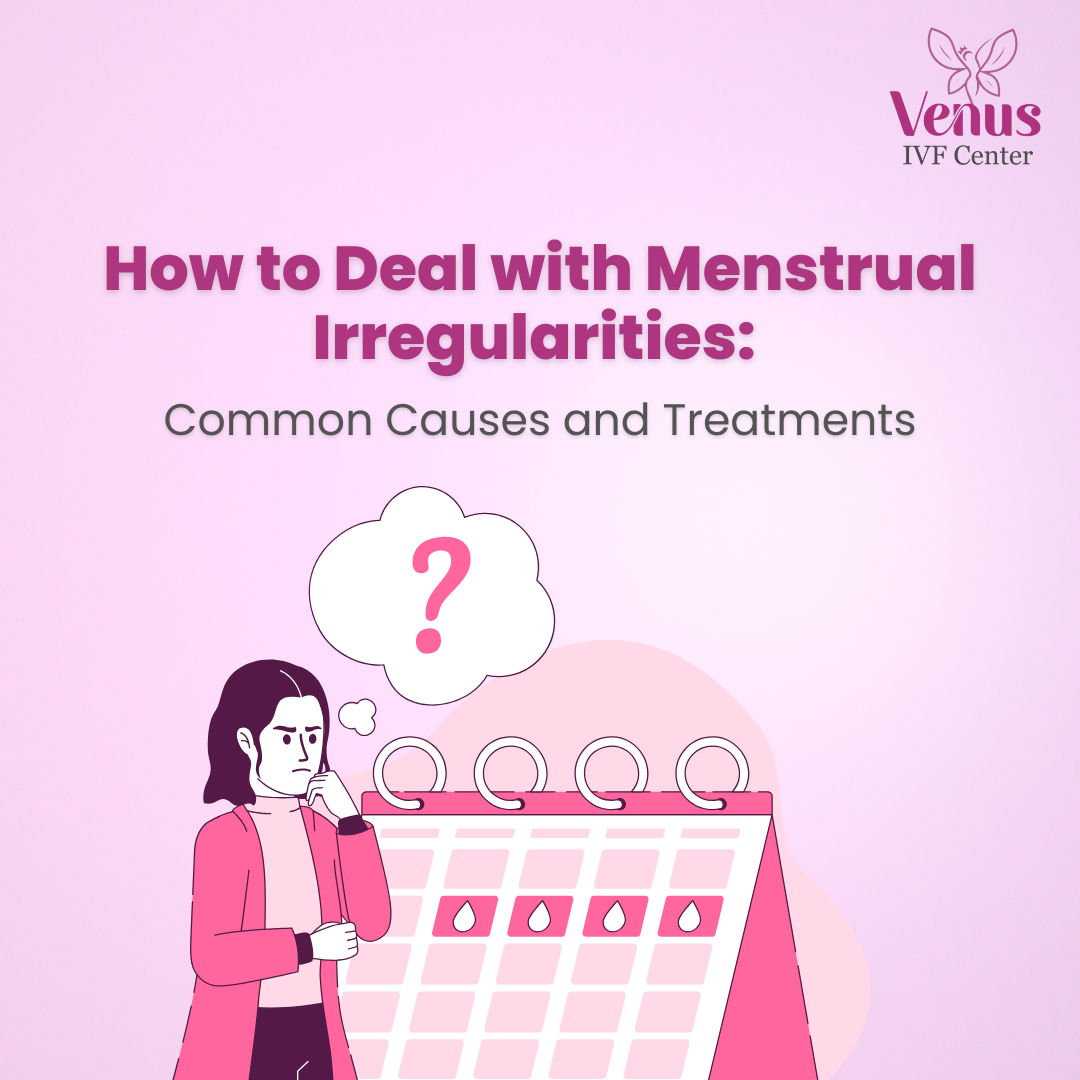
Women experiencing symptoms such as irregular periods, persistent weight gain, excessive hair growth, acne, or fertility concerns may benefit from a professional evaluation.
A specialist can help determine whether symptoms are related to PMOS (formerly known as PCOS) and recommend appropriate investigations or management options.
Read more about our PMOS (Formerly Known as PCOS) & PCOD Treatment in Rajkot service.
Lifestyle modifications are commonly recommended as part of a comprehensive PMOS management approach and may support overall health and well-being.
A balanced diet rich in whole foods, fruits, vegetables, fiber, and lean proteins is often encouraged as part of a healthy lifestyle.
Walking, cycling, swimming, yoga, and strength training are commonly recommended based on individual fitness levels.
Maintaining a healthy weight may support overall health and is often discussed as part of PMOS management.
Quality sleep is an important aspect of overall wellness and hormonal health.
Women experiencing irregular periods, hormonal concerns, or fertility-related questions should consider consulting a qualified gynecologist.
At Venus Women's Hospital & IVF Center, our specialists provide comprehensive evaluation, guidance, and management for women experiencing PMOS (formerly known as PCOS), PCOD, and other hormonal health concerns.
.jpg)

.jpg)



.png)


.jpg)



.jpg)

.png)
.png)





.png)



.jpg)






.png)

.png)

.png)
.png)