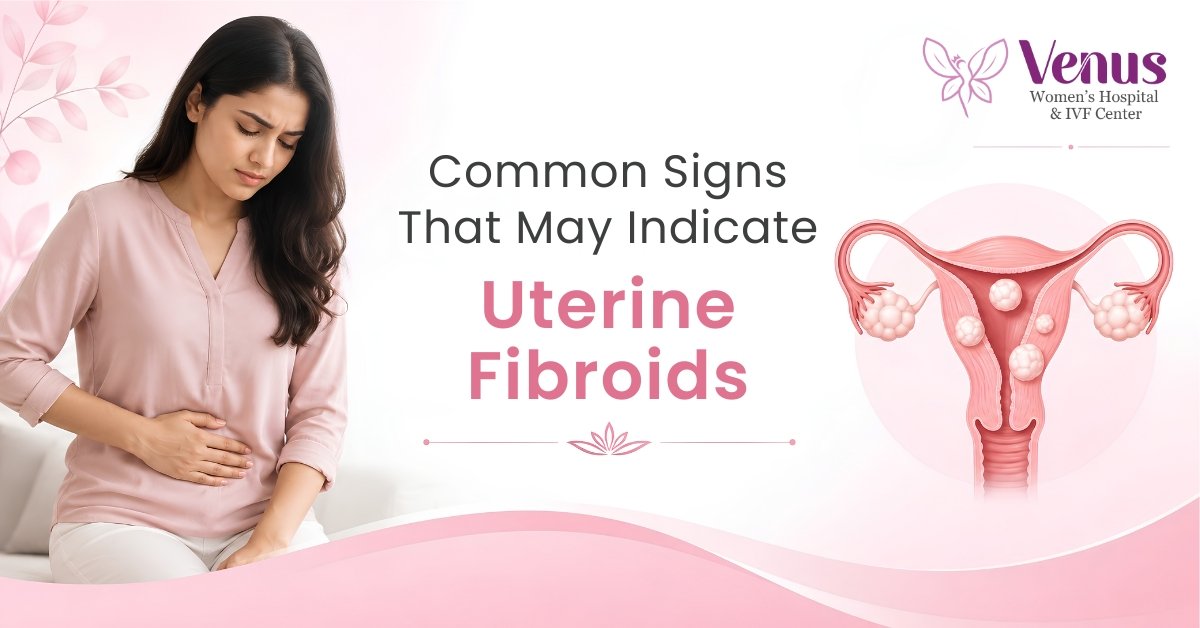
Uterine fibroids are among the most common gynecological conditions affecting women during their reproductive years. These non-cancerous growths develop in or around the uterus and can vary in size, number, and location.
While some women may never experience symptoms, others may notice changes in their menstrual health, pelvic comfort, or overall well-being. Recognizing the signs early can help women seek appropriate evaluation and understand the available management options.
At Venus Women's Hospital & IVF Center, we provide comprehensive evaluation and Fibroid Treatment in Rajkot through advanced diagnostic facilities and personalized gynecological care.
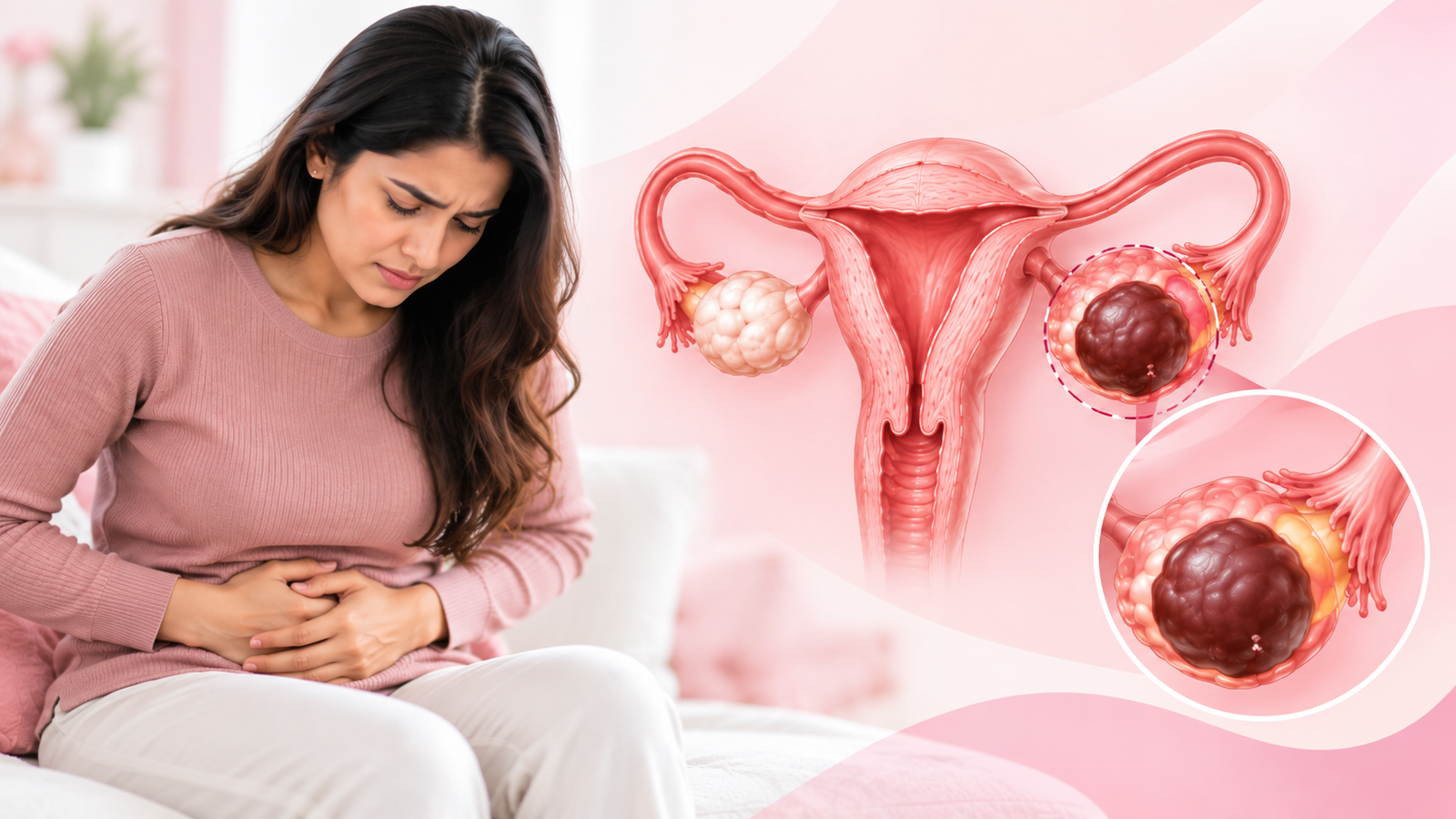
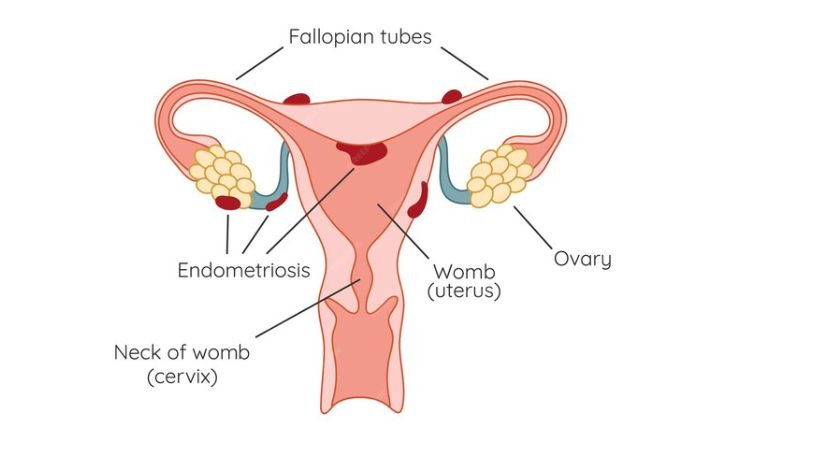
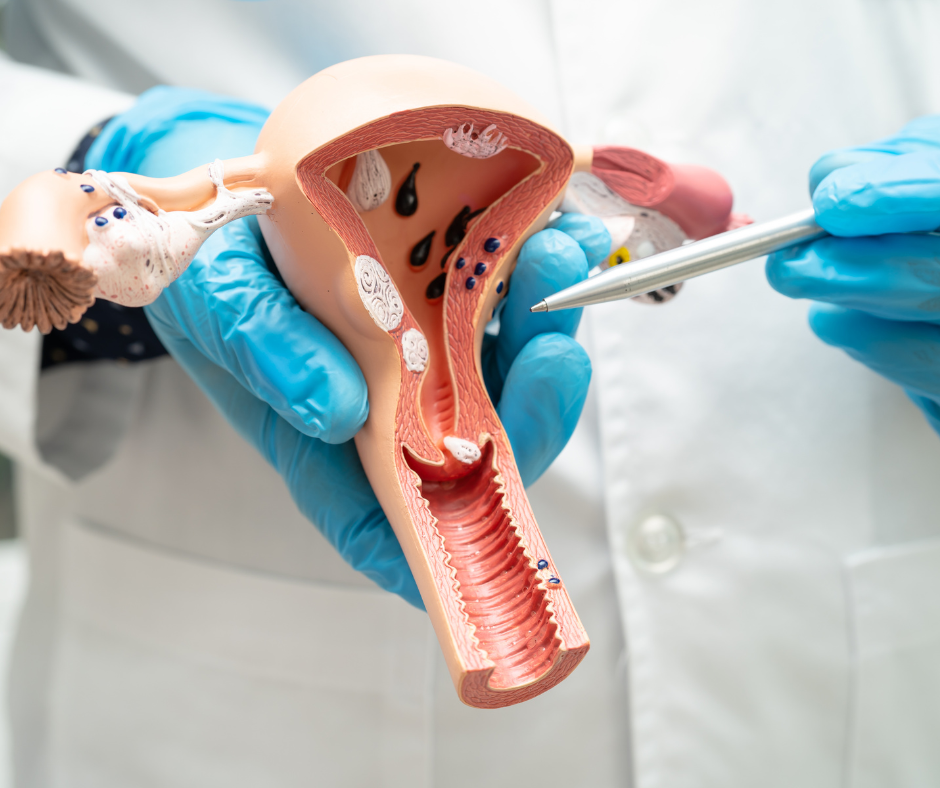
Uterine fibroids, also known as leiomyomas or myomas, are benign growths that develop from the muscular tissue of the uterus.
Fibroids may:
Develop inside the uterine wall
Grow on the outer surface of the uterus
Extend into the uterine cavity
Occur as a single growth or multiple growths
Many women are diagnosed during routine gynecological examinations or ultrasound scans.
The symptoms of fibroids often depend on their size, location, and number.
One of the most commonly reported symptoms is heavier-than-usual menstrual bleeding.
Women may notice:
Increased menstrual flow
Longer menstrual periods
Passage of blood clots
Frequent need to change sanitary products
Larger fibroids may create a sensation of pressure in the lower abdomen or pelvic region.
Some women describe it as:
Pelvic heaviness
Abdominal fullness
Pressure in the lower abdomen
Fibroids located near the bladder may place pressure on surrounding organs.
This can sometimes result in:
Frequent urination
Difficulty completely emptying the bladder
Fibroids may occasionally exert pressure on the bowel, which can contribute to changes in bowel habits.
Some women experience:
Pelvic discomfort
Lower abdominal pain
Pressure-related symptoms
The intensity of symptoms varies from person to person.
Fibroids can sometimes be associated with increased menstrual discomfort and cramping.
Depending on their location, fibroids may contribute to discomfort in the lower back or pelvic region.
Some women may experience discomfort during sexual activity when fibroids affect specific areas of the pelvis.
Not all fibroids affect fertility. However, certain types of fibroids may influence reproductive health depending on their location and size.
In some situations, fibroids may be associated with:
Difficulty conceiving
Changes within the uterine cavity
Pregnancy-related concerns
Women planning pregnancy may benefit from a reproductive health evaluation if fibroids are identified during routine examinations.
You may consider consulting a gynecology specialist if you experience:
Heavy or prolonged menstrual bleeding
Persistent pelvic pressure
Frequent urination without infection
Ongoing pelvic discomfort
Fertility concerns
Recurrent pregnancy-related concerns
Changes in menstrual patterns
A specialist evaluation can help determine whether fibroids or another gynecological condition may be contributing to your symptoms.
Accurate diagnosis helps determine the size, location, and impact of fibroids.
Your doctor may discuss:
Menstrual health
Symptom history
Reproductive plans
Previous medical conditions
A gynecological examination may help identify signs that require further investigation.
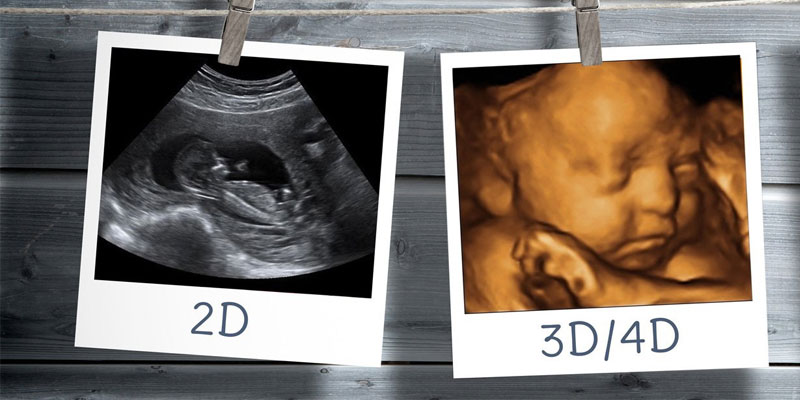
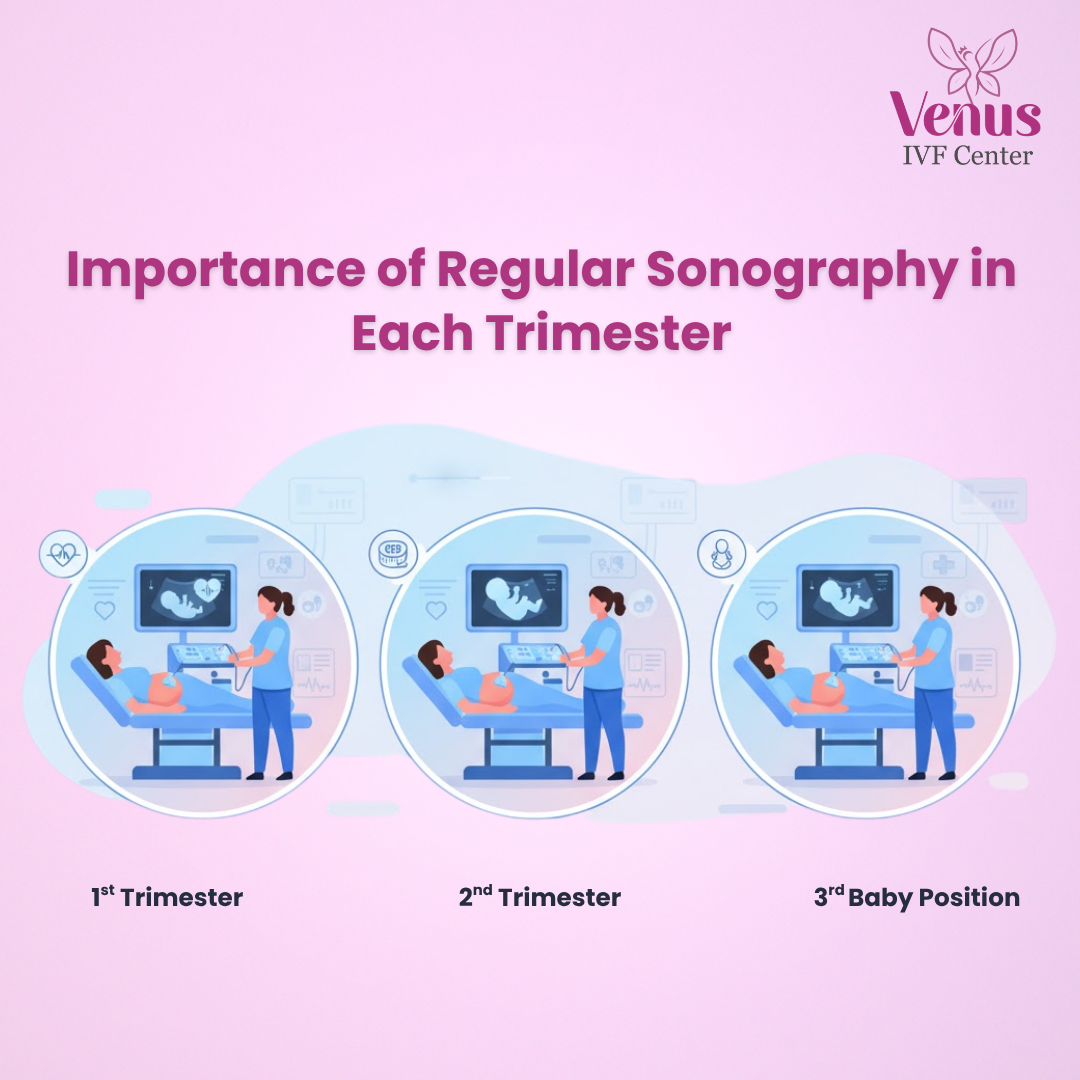
Ultrasound is one of the most commonly used methods for evaluating uterine fibroids.
Our advanced 3D-4D Sonography and Ultrasound Center helps assess:
Fibroid size
Fibroid location
Number of fibroids
Uterine health
Further investigations may be recommended when clinically necessary to support diagnosis and treatment planning.
After evaluation, your specialist may discuss:
Type of fibroid
Location within the uterus
Symptom severity
Potential impact on reproductive health
Available management options
Every diagnosis is unique, and recommendations are based on individual findings and health goals.
The most appropriate treatment approach depends on several factors, including:
Size of fibroids
Number of fibroids
Symptoms experienced
Age
Fertility goals
Overall health
Treatment options may include:
Small fibroids that are not causing symptoms may only require regular observation.
Some women may benefit from medical management aimed at addressing specific symptoms.
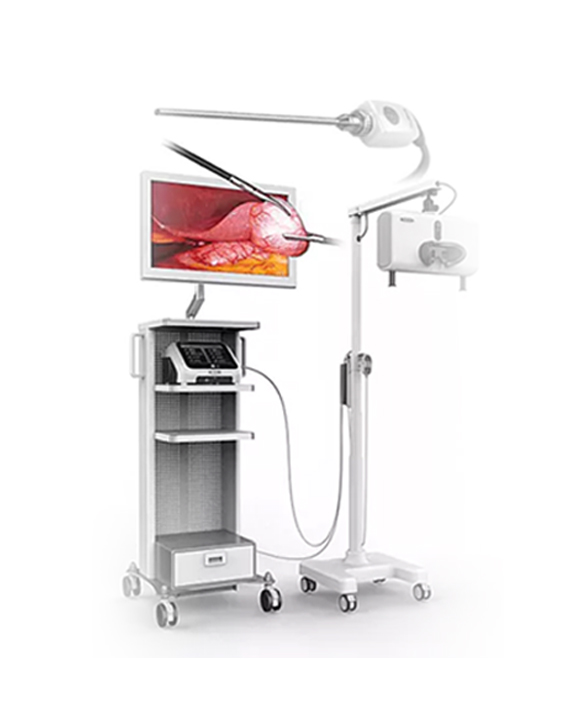
Certain fibroids may be managed through minimally invasive treatment approaches when clinically appropriate.
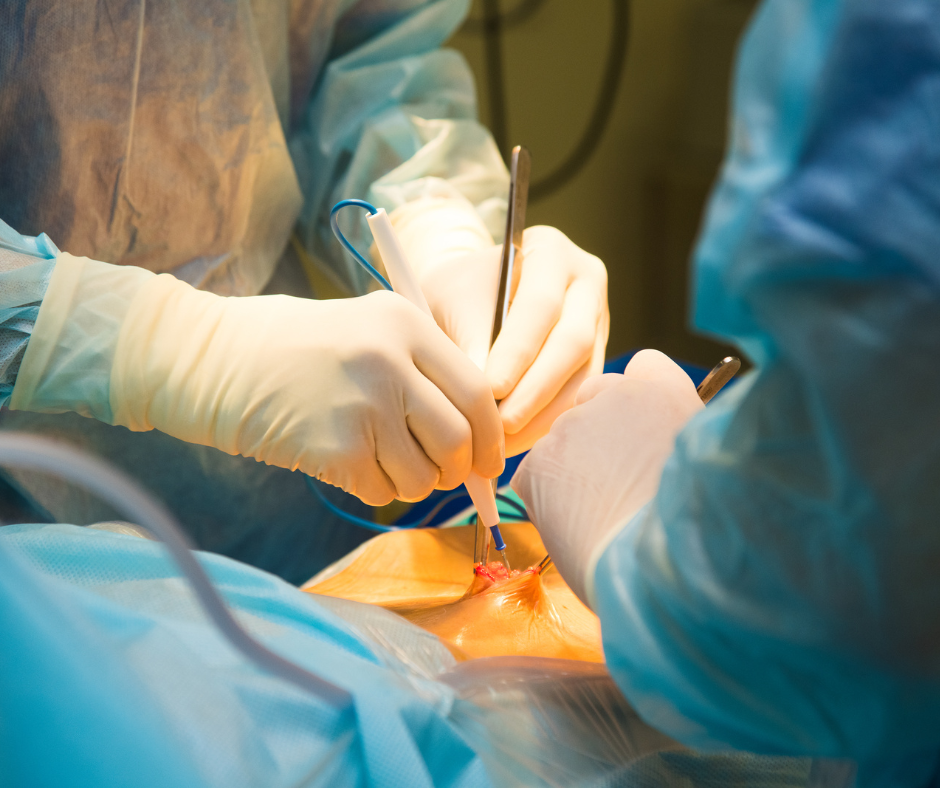
For selected patients, surgical treatment may be considered depending on symptom severity and reproductive goals.
Learn more about available options through our Fibroid Treatment in Rajkot service page.
Many women with fibroids continue their daily activities without significant disruption. However, persistent symptoms should not be ignored.
Early evaluation can help women better understand their reproductive health and discuss appropriate management options with a specialist.
Regular gynecological checkups and timely consultation can support informed healthcare decisions and ongoing women's health monitoring.
Uterine fibroids are non-cancerous growths that develop within or around the uterus.
No. Many women with fibroids may not experience noticeable symptoms.
Heavy menstrual bleeding is one of the most frequently reported symptoms.
Certain fibroids may influence fertility depending on their size and location, but not all fibroids affect reproductive health.
Fibroids are commonly diagnosed through gynecological evaluation and ultrasound imaging.
Women experiencing persistent symptoms such as heavy bleeding, pelvic pressure, or fertility concerns should consider consulting a specialist.
If you are experiencing symptoms that may be associated with uterine fibroids, visit our Fibroid Treatment in Rajkot service page to learn more about diagnosis, evaluation, treatment options, and ongoing care.
.jpg)

.jpg)


.png)

.jpg)



.jpg)
.png)
.png)





.png)


.jpg)







.png)
.png)

.png)
.png)