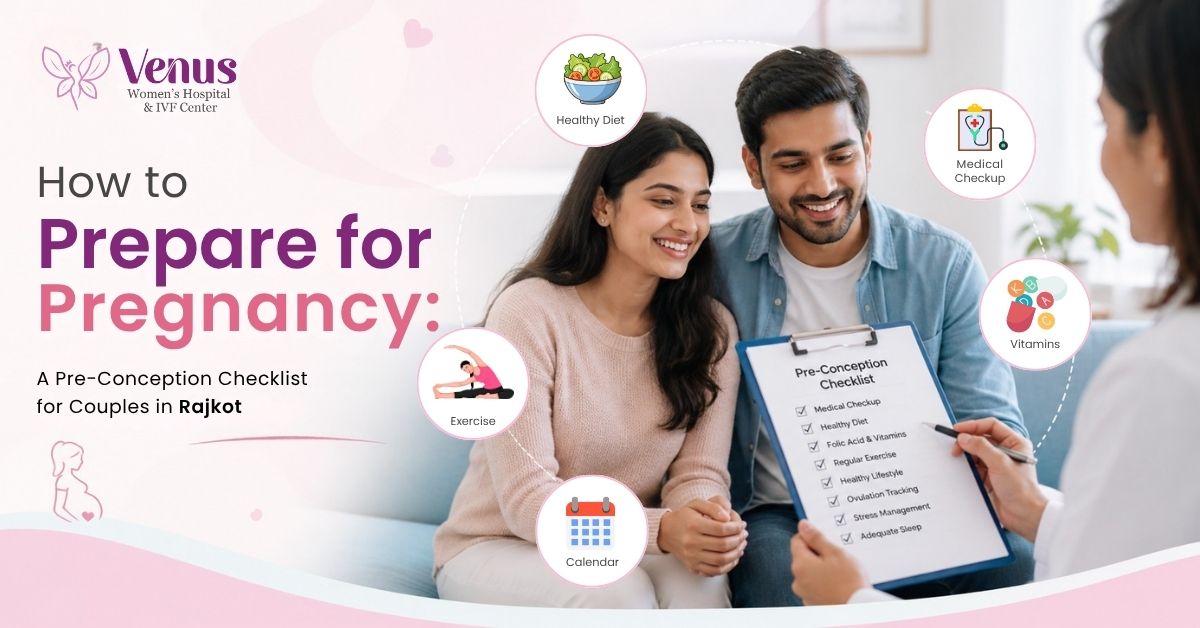
Most couples in Rajkot and across Gujarat begin thinking about having a baby and jump straight to tracking ovulation or taking a pregnancy test. Very few think about what needs to happen in the months before conception. That window of time, before a positive test even appears, is one of the most important and most ignored parts of the entire journey to parenthood.
This blog is your complete, practical guide to pre-conception care. It tells you exactly what both partners need to do to prepare their bodies and minds for pregnancy, reduce the risk of complications, and give the baby the healthiest possible start, even before the first heartbeat.
Knowing how to prepare for pregnancy is not just about taking folic acid. The months before conception shape the quality of the egg and sperm that will become your baby. They also determine how your body handles the enormous demands of pregnancy, from the first trimester all the way to delivery.
Research consistently shows that couples who follow a structured pregnancy planning checklist before trying to conceive have lower rates of miscarriage, birth defects, gestational diabetes, preterm birth, and complications during delivery. The good news is that most of what needs to be done is entirely in your hands.
At Venus Women's Hospital, Rajkot, we offer dedicated preconception counselling sessions where our specialists sit with couples, review medical history, order the right tests, and create a personalised plan before you start trying. Think of it as a health MOT before one of the biggest journeys of your life.
The very first step in any pre-conception care plan is a visit to a gynaecologist, not after a positive test, but before you even start trying. This visit does several things that cannot be replaced by internet research or advice from family.
Your doctor will:
If you have conditions like PCOS, thyroid disorders, or irregular periods, it is especially important to get these assessed and stabilised before conception. Read more in our dedicated guides: PCOS and Fertility, and Can a Woman with Thyroid Problems Get Pregnant.
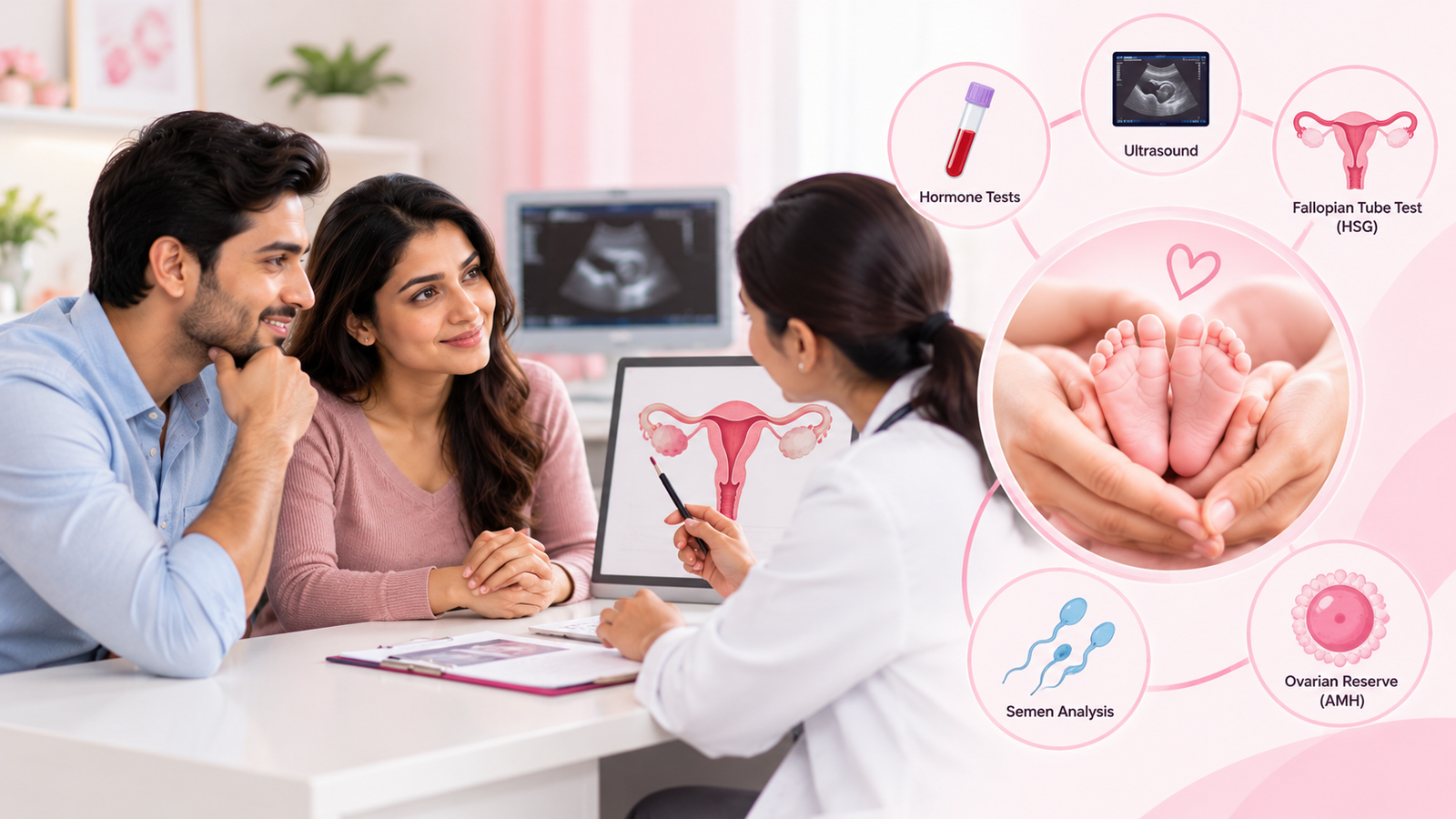
A pregnancy planning checklist for couples in India must include specific medical tests for both partners. Many couples skip this step and only discover problems after months of trying unsuccessfully. Testing early saves time, anxiety, and often, the need for more complex treatment later.
Pre-conception care is not only for women. Male factors contribute to infertility in roughly half of all cases, and the health of sperm begins to reflect lifestyle and nutrition changes within 70 to 90 days. Your partner should consider:
If any fertility concerns are identified at this stage, our team at Venus Women's Hospital can guide you through the appropriate next steps, from lifestyle changes to treatments like IUI or IVF in Rajkot.
This is the single most important nutritional step you can take when learning how to prepare for pregnancy. Folic acid is a B vitamin that dramatically reduces the risk of neural tube defects, serious birth defects of the baby's brain and spine, by up to 70 percent.
The crucial point is that neural tube development happens in the very first few weeks of pregnancy, often before a woman even knows she is pregnant. This is why doctors recommend starting folic acid supplementation at least 3 months before you begin trying to conceive, not after the positive test.
The standard recommended dose is 400 micrograms daily for most women. Women with a history of neural tube defects, epilepsy medication, or diabetes may need a higher dose. Your doctor will advise based on your specific situation.
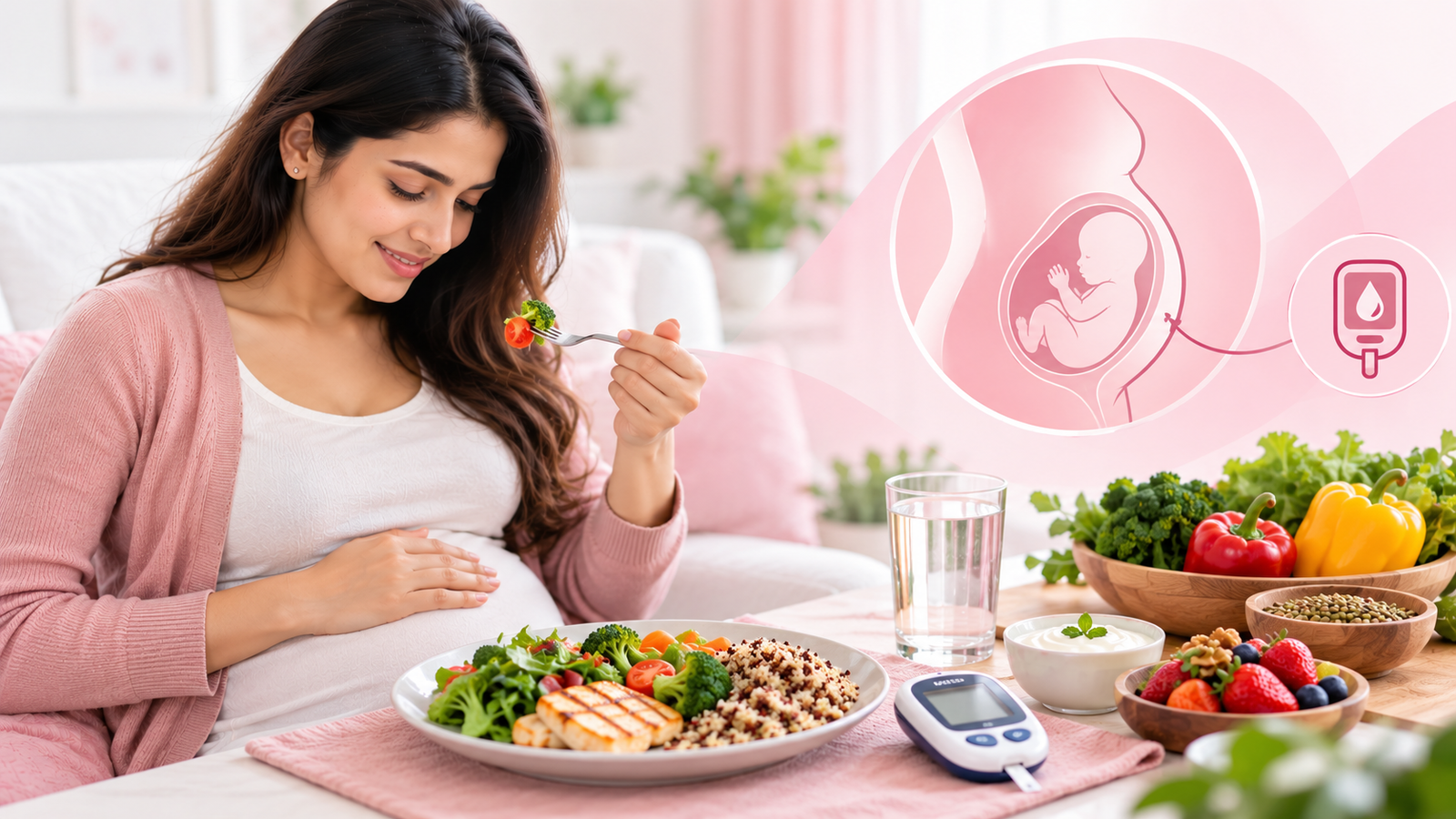
Your pre pregnancy diet has a direct impact on your fertility and on the early development of your baby. Both partners need to pay attention to what they eat in the 3 to 6 months before trying to conceive.
For women managing weight as part of their fertility plan, our blog on how weight management impacts reproductive health has specific guidance you should read.
Smoking reduces egg quality in women, damages sperm DNA in men, and significantly increases the risk of miscarriage, preterm birth, and low birth weight. Both partners should stop smoking at least 3 months before trying to conceive. There is no safe level during the pre-conception period.
There is no proven safe amount of alcohol during pregnancy, and since early pregnancy often goes undetected for several weeks, the safest approach is to avoid alcohol entirely once you begin trying. Alcohol also reduces sperm quality in men.
Both being underweight and overweight affect ovulation, hormone balance, and fertility. Being overweight increases the risk of gestational diabetes, hypertension, and a higher chance of needing a C-section delivery. Your doctor can help you understand your ideal weight range and how to reach it safely before conception.
Chronic stress affects the hormones that regulate ovulation. For couples in Rajkot where family pressure around pregnancy is often intense, this is particularly important to acknowledge.
Practices like walking, yoga, meditation, and adequate sleep all help. Read our guide on meditation during pregnancy for practical techniques that are equally useful before pregnancy.
Some common medications are not safe during early pregnancy, including certain acne treatments, blood pressure medications, and herbal supplements. Review everything you take with your doctor before trying to conceive, including over the counter medicines and supplements.
You cannot plan a pregnancy without understanding your menstrual cycle. Ovulation typically occurs around day 14 in a 28-day cycle, but cycles vary from woman to woman. Your most fertile window is the 5 days before ovulation and the day of ovulation itself.
Ways to track your fertile window include:
If your cycles are irregular, very short, very long, or painful, this may indicate an ovulation disorder that needs medical attention before trying to conceive. Our blog on understanding ovulation disorders explains the causes, diagnosis, and treatment options in detail.
Use this table as your reference. Both partners have a role to play in preparing for a healthy pregnancy:
| Area | For Her | For Him |
|---|---|---|
| Medical Tests | Complete blood count, thyroid, blood sugar, rubella immunity, vitamin D, haemoglobin | Semen analysis, blood pressure, blood sugar, STI screening |
| Vaccinations | Rubella, Hepatitis B, Varicella if not immune | Hepatitis B, influenza if advised |
| Nutrition | Start folic acid 400 mcg daily, iron-rich foods, calcium, vitamin D | Zinc-rich foods, antioxidants, limit processed food |
| Lifestyle | Stop smoking, avoid alcohol, limit caffeine, manage weight | Stop smoking, avoid alcohol, reduce heat exposure to groin area |
| Chronic Conditions | Stabilise thyroid, diabetes, blood pressure before conceiving | Manage diabetes or blood pressure if present |
| Mental Health | Address anxiety, depression, or past trauma before pregnancy | Discuss family planning, stress management as a couple |
a
Not every couple conceives easily. If you have been trying to conceive for 12 months without success (or 6 months if the woman is over 35), it is time to see a fertility specialist. You should seek help sooner if you have:
At Venus Women's Hospital, we have helped hundreds of couples from Rajkot, Jamnagar, Morbi, and across Saurashtra and Kutch build their families through personalised care. Whether you need guidance on IVF treatment in Rajkot, IUI treatment, or simply a thorough pre-conception health check, we are here to help you take the first step with confidence.
Venus Women's Hospital and IVF Center is the leading advanced centre for pregnancy care, fertility treatment, and gynaecological care in the entire Saurashtra and Kutch region. From your pre-conception visit all the way through to your postpartum recovery, our team stays with you at every step.
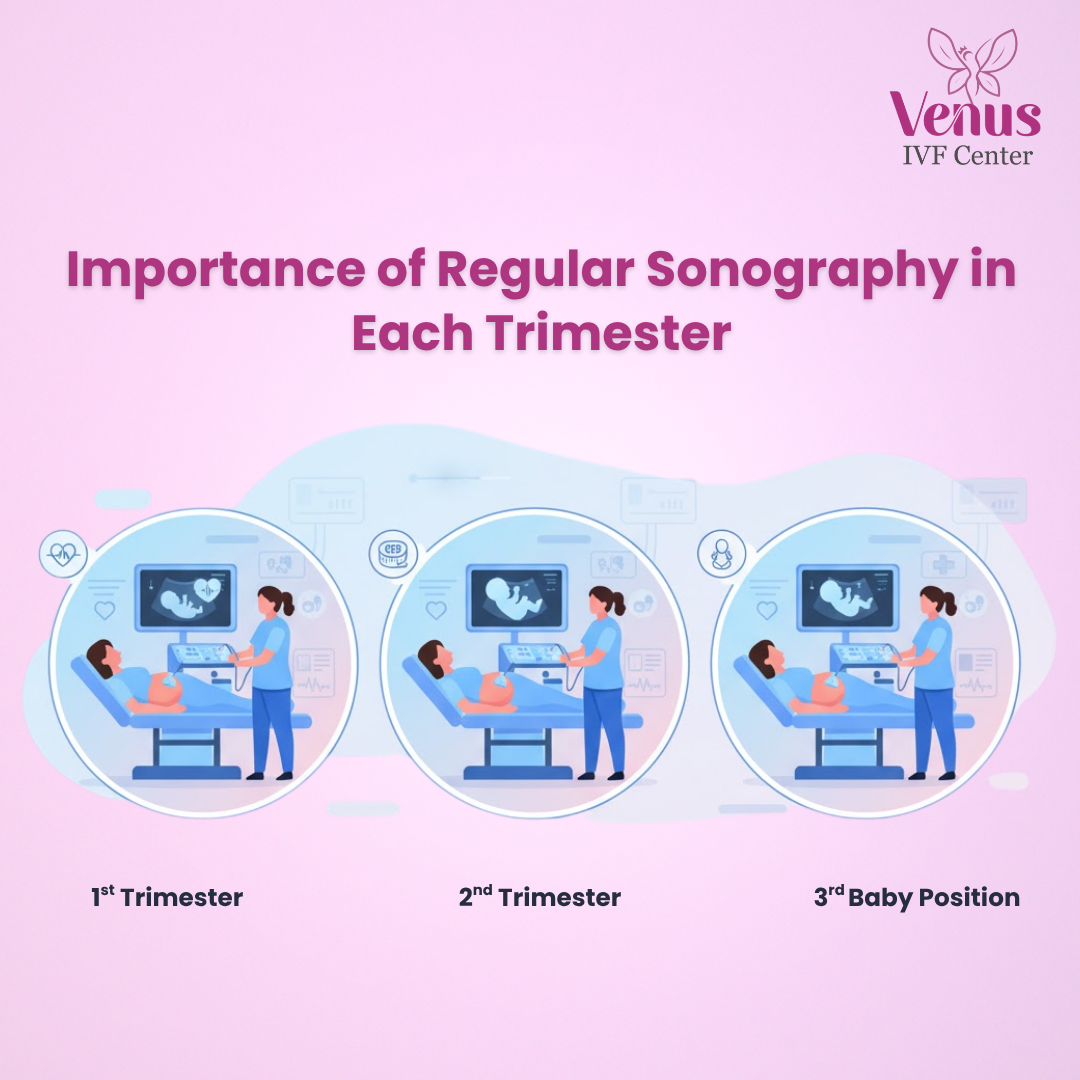
Advanced diagnostics, 3D and 4D sonography, a complete IVF centre, and 24 hour emergency care, all at Kalavad Road, Rajkot.
The best gift you can give your future baby is a healthy start, and that begins months before conception. Following a proper pre-conception care plan, getting the right tests, eating well, correcting nutritional deficiencies, and understanding your cycle all make a real difference to how easily you conceive and how smoothly your pregnancy progresses.
Do not wait for a positive test to start taking your health seriously. Start now. And when you are ready to take the next step, the team at Venus Women's Hospital in Rajkot is ready to walk alongside you from the very beginning.
Trusted by thousands of couples across Saurashtra and Kutch.
Phone: +91 90999 00181 | +91 90999 00182
Location: Kalavad Road, Near KKV Circle, Rajkot, Gujarat 360005 Emergency: 24 hours, 7 days a week
Visit Our Website | Pregnancy Care | IVF Center Rajkot | Contact Us
.jpg)

.jpg)


.png)


.jpg)


.jpg)
.png)
.png)




.png)


.jpg)




.png)
.png)

.png)
.png)