
Feeling your baby move for the first time is one of the most unforgettable moments of pregnancy. That first flutter, bubble, or gentle kick tells you that a tiny life is growing and thriving inside you. But for many first-time mothers in Rajkot and across Gujarat, baby movement in pregnancy also brings questions. How much is enough? What does normal feel like? And when should you actually be worried?
This guide answers every one of those questions clearly and honestly, so you know exactly what to expect at every stage of your pregnancy.
This is the first question almost every first-time mother asks. The honest answer is that fetal movement begins much earlier than you can feel it. Your baby starts moving as early as 7 to 8 weeks, but these movements are too small to be detected without an ultrasound.
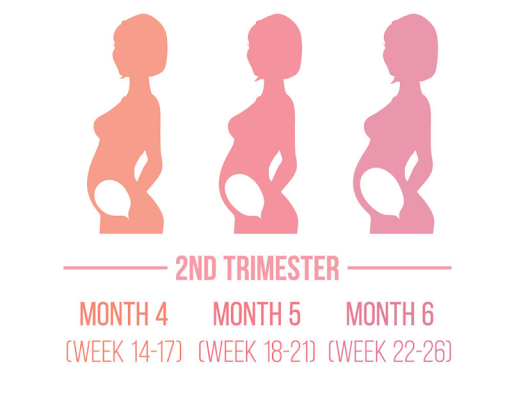
As a mother, you will typically begin to feel baby movement in pregnancy somewhere between 16 and 25 weeks. First-time mothers often feel it later, closer to 20 to 25 weeks, because they have not experienced the sensation before and may not recognise it right away. Mothers who have been pregnant before may feel it as early as 16 weeks.
The very first movements are often described as:
Do not worry if you are not sure whether what you feel is your baby or something else. Over the next few weeks, the movements become stronger and far easier to recognise. Our team at Venus Women's Hospital is always happy to answer your questions during your regular pregnancy care visits.
Baby movement does not stay the same throughout pregnancy. It changes in strength, frequency, and character as your baby grows. Here is a week-by-week overview of what to expect with baby kicks in pregnancy:
| Week of Pregnancy | What You May Feel | What to Do |
|---|---|---|
| 16 to 20 Weeks | Light flutters, bubbles, or a rolling feeling. Easy to miss at this stage. | Note when you first feel movement. Share it with your doctor at your next visit. |
| 20 to 24 Weeks | Clearer kicks and jabs. Your partner may be able to feel them from outside. | Start paying attention to how often your baby moves during active periods. |
| 24 to 28 Weeks | More regular and strong movement. Baby now has a sleep and wake pattern. | You may notice your baby is more active after meals or at night. |
| 28 to 36 Weeks | This is the most active phase. Kicks, rolls, and hiccups are all common. | Begin daily kick count monitoring from 28 weeks onward. |
| 36 Weeks to Delivery | Movement stays regular but may feel different as baby runs out of space. | Never assume reduced movement is normal. Always call your doctor if you are unsure. |
Our doctors use 3D and 4D sonography to monitor your baby's growth and movement patterns at every stage. If you ever want to see your baby move in real time, our advanced imaging technology makes that possible.
From around 28 weeks of pregnancy, your doctor will ask you to monitor your baby's movements at home using a method called kick count. This is one of the simplest and most reliable ways to check that your baby is doing well between your hospital visits.
Choose a time when your baby is usually active, often after a meal or in the evening. Sit or lie comfortably, place your hands on your belly, and count every movement you feel including kicks, rolls, jabs, and even hiccups.
You are looking for 10 movements within 2 hours. Most healthy babies reach this target much faster, often within 20 to 30 minutes.
Do your kick count at the same time each day so you get a consistent picture of your baby's normal pattern. Every baby is different. The goal is to learn what is normal for your specific baby, not to compare with anyone else.
This is a very common point of confusion. Mothers often ask how many times per day their baby should move, and the answer is that there is no single fixed number that applies to every pregnancy.
What matters is your baby's individual pattern. Some babies are naturally more active than others. Some move more in the morning, others at night. Once you know your baby's usual rhythm, any significant change from that rhythm is what deserves attention.
A few things that are completely normal and that many first-time mothers find surprising:
If you have any concerns about your movement patterns, your prenatal check-ups at Venus Women's Hospital are the right place to discuss them. Never wait until your next scheduled appointment if something feels wrong.
This is the most important section of this blog. Please read it carefully.
Reduced fetal movement means your baby is moving noticeably less than usual. It does not always mean something is wrong, but it should never be dismissed or waited out. It is always worth calling your doctor when you notice it.
You should contact your doctor or come to the hospital immediately if:
Do not try to self-diagnose. Do not wait until the next day to see if things improve. Do not feel embarrassed about calling. At Venus Women's Hospital, our 24 hour emergency team is always available. Coming in for a check is never an overreaction. A simple ultrasound or fetal monitoring scan can quickly confirm that your baby is well.
Reduced fetal movement can sometimes be associated with conditions that need medical attention. These include issues with the placenta, reduced amniotic fluid, or in some cases signs of a high-risk pregnancy complication. Early detection always leads to better outcomes.
Not every change in baby movement is a cause for alarm. Some temporary factors can affect how much you feel your baby move:
Fetal movement is not just a comforting sensation for mothers. It is an actual sign of your baby's neurological and physical health. An active baby is generally a well-nourished, well-oxygenated baby.
This is why monitoring movement goes hand in hand with your full pregnancy care plan, your regular ultrasounds, your blood tests, and your prenatal appointments. Together, all of these give your doctor a complete picture of how your baby is developing.
If you have a condition like gestational diabetes, hypertension, or are carrying twins, your doctor will monitor fetal movement even more closely. These are situations where specialist care for high-risk pregnancy makes a significant difference. At Venus Women's Hospital, our team includes dedicated high-risk pregnancy specialists in Rajkot who provide close, personalised monitoring throughout your pregnancy.
You can gently encourage movement by drinking something cold or sweet, lying on your left side, applying gentle pressure on your belly, or shining a torch toward your bump. However, never be alarmed if your baby does not respond immediately. Try again after 30 minutes and contact your doctor if you remain concerned.
Movement may feel different as your baby grows larger and has less room, but the frequency should not significantly drop. If you notice a clear decrease in movement after 36 weeks, always inform your doctor. Do not assume it is normal simply because you are close to your due date.
An anterior placenta sits at the front of the uterus and acts like a cushion between you and your baby. It is completely harmless but it can make kicks harder to feel, especially in early pregnancy. Your doctor will confirm this through an ultrasound. You may simply need to wait a little longer before you feel strong movements consistently.
Yes, absolutely. If you have experienced a previous loss, monitoring fetal movement is even more important for your peace of mind and for clinical safety. Do not hesitate to visit Venus Women's Hospital for reassurance scans whenever you feel anxious. You can also read our blog on what does high-risk pregnancy mean for more guidance.
At Venus Women's Hospital and IVF Center, Rajkot, we believe that every pregnant mother deserves clear answers and immediate support, not a phone full of conflicting information from the internet. Whether you have a routine question about baby movement in pregnancy or a concern that needs urgent assessment, our team is here for you.
Advanced 3D and 4D sonography, fetal monitoring, 24 hour emergency support, and personalised pregnancy care all under one roof at Kalavad Road, Rajkot.
Baby movement in pregnancy is one of the best natural indicators that your baby is healthy and growing well. Learn your baby's unique pattern from around 28 weeks. Do your daily kick count. And always, always reach out to your doctor if something feels different or wrong. No question is too small when it concerns your baby.
A confident pregnancy comes from being informed and supported. Read more about keeping yourself and your baby safe throughout your pregnancy in our related guides:
Venus Women's Hospital and IVF Center, Rajkot. Trusted by thousands of mothers across Saurashtra and Kutch.
Phone: +91 90999 00181 | +91 90999 00182
Location: Kalavad Road, Near KKV Circle, Rajkot, Gujarat 360005 Emergency: 24 hours, 7 days a week
.jpg)

.jpg)



.png)


.jpg)





.jpg)



.png)
.png)








.png)




.jpg)







.png)



.png)

.png)
.png)