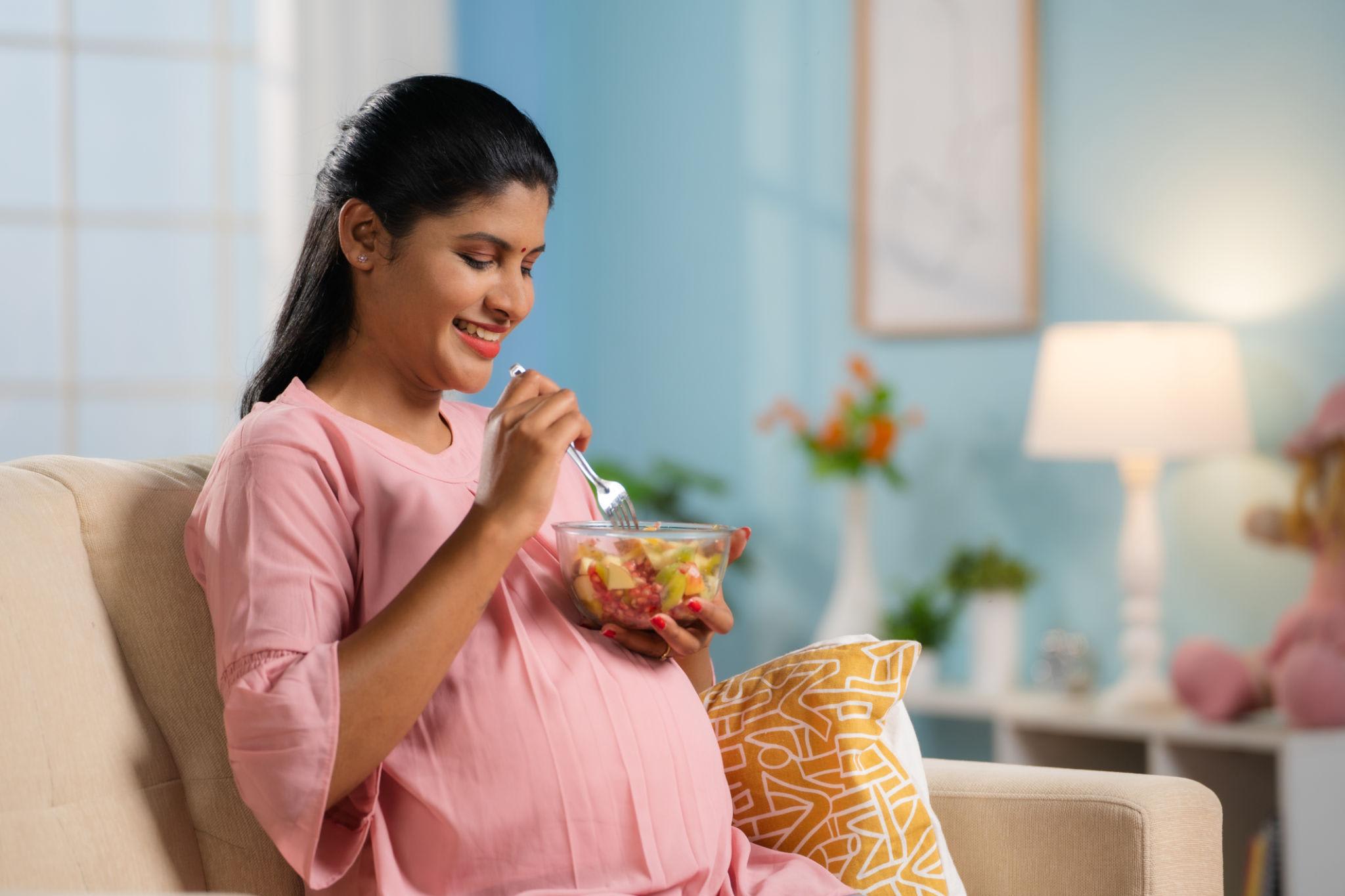
Pregnancy is one of the most beautiful and transformative journeys a woman can experience. Yet it is also one in which the smallest nutritional decisions can have the biggest impact on your health, your baby's development, and your recovery after delivery.
At Venus Women's Hospital & IVF Center in Rajkot, our team of specialist gynaecologists and fertility experts, including Dr. Prakash Parmar, Dr. Sweta Patel, Dr. Avani Kannar, and Dr. Rukesh Ghodasara, has guided thousands of mothers through healthy pregnancies, IVF treatments, and post-delivery recovery. Drawing on their deep clinical expertise, we bring you 10 evidence-based, locally relevant nutrition tips that every expecting woman in Rajkot and across the Saurashtra-Kutch region should know.
Whether you are newly pregnant, planning your pregnancy, exploring IVF treatment, or asking 'what to eat post birth' as you recover after delivery, this guide is for you.
Iron deficiency anaemia is one of the most common complications in pregnancy in India, and Rajkot is no exception. During pregnancy, your blood volume increases significantly, making iron an absolute necessity for both you and your growing baby.
The key is not just eating iron-rich foods; it's about how you pair them. Non-haem iron (found in plant-based foods like spinach, methi, rajma, and chana) is best absorbed when consumed alongside Vitamin C-rich foods such as lemon, amla, tomatoes, or oranges. A bowl of palak dal with a squeeze of lemon, or a glass of fresh amla juice alongside your meal, can significantly boost iron absorption.
On the other hand, tea and coffee contain tannins that actively block iron absorption. Avoid drinking chai immediately before or after meals, especially if you are taking iron supplements. This is one of the simplest yet most overlooked habits that can prevent anaemia and reduce complications in pregnancy.
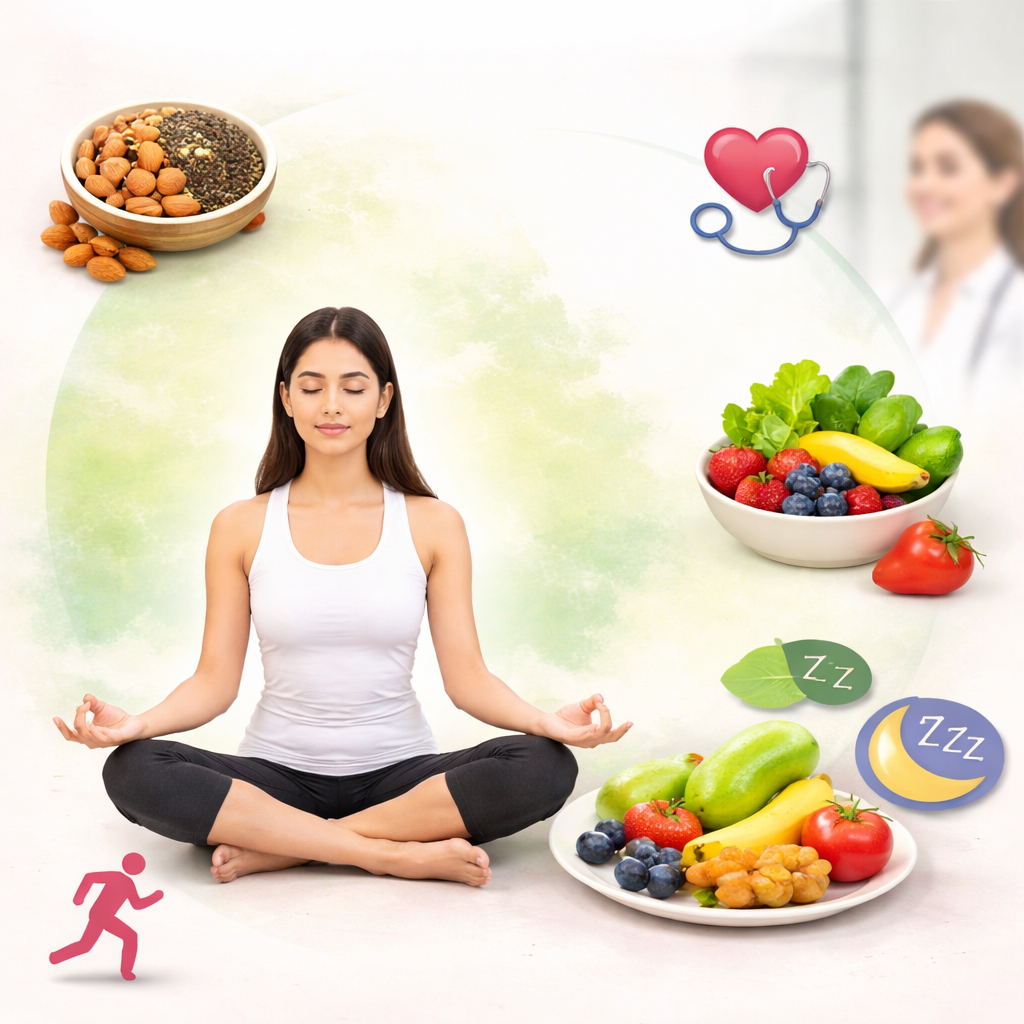
Nuts like almonds, walnuts, and cashews are nutritional powerhouses during pregnancy, rich in healthy fats, protein, magnesium, and folate. However, raw nuts contain phytic acid, an anti-nutrient that can reduce mineral absorption and cause digestive discomfort.
Soaking nuts overnight in water neutralises phytic acid, makes them easier to digest, and improves nutrient bioavailability. For pregnant women who often struggle with nausea and sluggish digestion, soaked almonds and walnuts in the morning are a gentle, nourishing way to start the day. This is especially helpful during the first trimester when digestive sensitivity is at its peak.
The typical Gujarati diet is heavily wheat-based rotis at every meal, every single day. While wheat is nutritious, relying on just one grain throughout pregnancy limits your intake of diverse micronutrients. Different grains offer different nutritional profiles.
Bajra (pearl millet) is rich in iron and magnesium. Jowar (sorghum) is high in calcium and fibre. Ragi (finger millet) is one of the best plant sources of calcium, crucial for your baby's bone development. Brown rice offers B vitamins and sustained energy release.
Rotating these grains across the week ensures a broader spectrum of nutrients and also helps manage blood sugar levels, an important consideration given the rising rates of gestational diabetes. Our doctors at Venus Women's Hospital often recommend grain rotation as a foundational dietary strategy during pregnancy.
Fennel tea (saunf chai) is a popular home remedy in Rajkot households, often recommended by well-meaning family members to relieve bloating and digestive discomfort during pregnancy. While fennel in small culinary amounts is generally safe, consuming it as a concentrated herbal tea regularly during pregnancy is not recommended.
Fennel contains phytoestrogens that, in large quantities, may stimulate uterine contractions. This is a rare but real concern, particularly in the first and third trimesters. As a trusted women's hospital in Rajkot, we always advise our patients to consult their gynaecologist before consuming any herbal teas during pregnancy. When in doubt, plain warm water with a slice of ginger is a much safer digestive remedy.
Gut health directly influences immune function, nutrient absorption, and even your baby's developing microbiome. Pregnancy hormones can disrupt the natural balance of gut bacteria, leading to constipation, bloating, and increased susceptibility to infections.
The good news is that traditional Indian cuisine already includes excellent natural probiotics. Fresh homemade curd (dahi), chaas (buttermilk), and idli/dosa (fermented rice-lentil batter) are all rich in beneficial bacteria. Including a bowl of fresh curd with lunch or a glass of chaas in the afternoon is a simple, culturally familiar way to support gut health throughout pregnancy. These foods also contribute to calcium intake, supporting your baby's bone and teeth development.
Excessive sodium intake during pregnancy is a significant risk factor for high blood pressure and pre-eclampsia, one of the serious complications in pregnancy that our specialists at Venus Women's Hospital manage regularly. While most people are aware of not adding too much salt at the table, the hidden sodium in everyday packaged foods is far less visible.
Packaged namkeen, papads, ready-to-eat curries, instant noodles, sauces, and even biscuits can contain alarmingly high sodium levels. A single serving of some packaged snacks can contain up to 700–900mg of sodium, nearly 40% of the recommended daily limit for a pregnant woman.
Make it a habit to read nutritional labels. Opt for homemade snacks like roasted makhana, fresh fruit chaat, or a small portion of home-made dhokla. Managing salt intake proactively is one of the most effective ways to avoid hypertension-related complications in pregnancy.
In traditional Gujarati cooking, vegetables are often cooked for extended periods, which unfortunately destroys a significant portion of their heat-sensitive vitamins particularly Vitamin C, folate, and Vitamin B6. Folate is critically important in early pregnancy for preventing neural tube defects in the developing baby.
Steaming, sautéing, or stir-frying vegetables lightly preserves far more of their nutritional value. Incorporating some raw vegetables, such as cucumber, carrot, or tomato in the form of a fresh salad or raita alongside cooked meals is an excellent way to boost your micronutrient intake. This is especially important for women undergoing IVF treatment or in the first trimester of pregnancy when foetal neural development is most rapid.
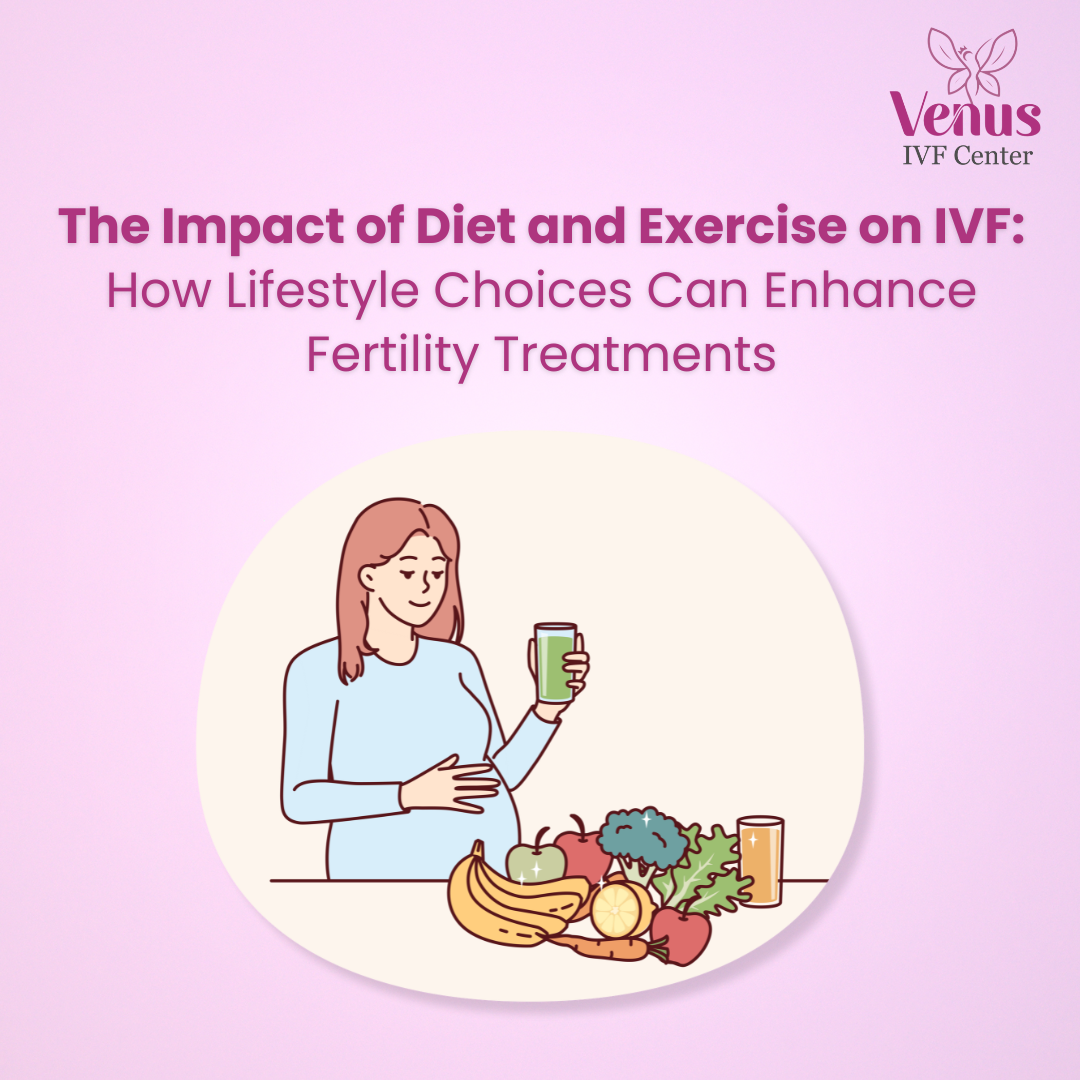
Tip 8: Eat Seasonal Fruits Instead of Imported Ones
In recent years, imported fruits like kiwi, blueberries, and avocados have gained popularity as 'superfoods' for pregnancy. While these are nutritious, they come with a high price tag and are often harvested before ripening for long-distance transport, which reduces their nutritional content.
Rajkot's local markets offer an abundance of seasonal fruits that are just as nutritious, if not more so. Fresh chikoo, papaya (well-ripened and in moderation after the first trimester), jamun, sitafal, and seasonal mangoes are all excellent sources of vitamins, fibre, and antioxidants. Local amla is one of the richest sources of Vitamin C available anywhere in the world. Eating seasonal, locally grown fruits supports both your health and your community, and aligns perfectly with Ayurvedic principles of nourishing the body with what nature provides in your region and season.
In recent years, imported fruits like kiwi, blueberries, and avocados have gained popularity as 'superfoods' for pregnancy. While these are nutritious, they come with a high price tag and are often harvested before ripening for long-distance transport, which reduces their nutritional content.
Rajkot's local markets offer an abundance of seasonal fruits that are just as nutritious, if not more so. Fresh chikoo, papaya (well-ripened and in moderation after the first trimester), jamun, sitafal, and seasonal mangoes are all excellent sources of vitamins, fibre, and antioxidants. Local amla is one of the richest sources of Vitamin C available anywhere in the world. Eating seasonal, locally grown fruits supports both your health and your community, and aligns perfectly with Ayurvedic principles of nourishing the body with what nature provides in your region and season.
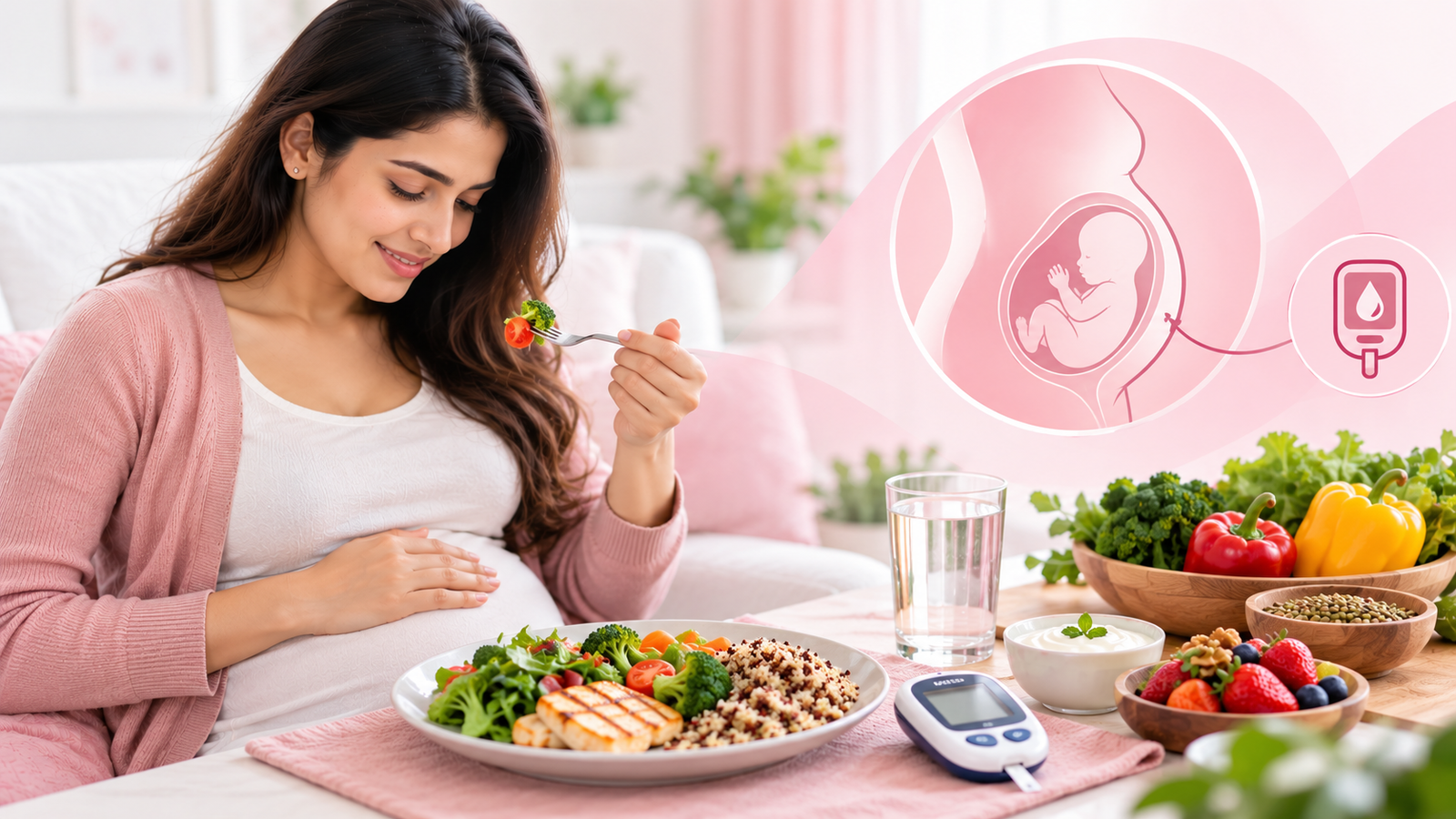
During pregnancy, your body's metabolic demands are heightened. Going for long periods without eating can cause blood sugar to dip, triggering nausea, fatigue, dizziness, and intense cravings that often lead to poor food choices. This is particularly challenging for working women in Rajkot who may have demanding schedules.
The ideal approach is to eat small, balanced meals every 2–3 hours rather than three large meals. Think of it as fuelling a car, your body and your baby need a steady, consistent supply of energy and nutrients throughout the day.
This eating pattern also helps manage gestational diabetes, reduce heartburn (a common pregnancy complaint), and support steady foetal growth. After delivery, maintaining this habit of regular, nourishing meals also greatly aids recovery. Many women wondering how long it takes for the body to go back to normal after birth find that consistent nutrition is one of the most important factors in postpartum recovery.
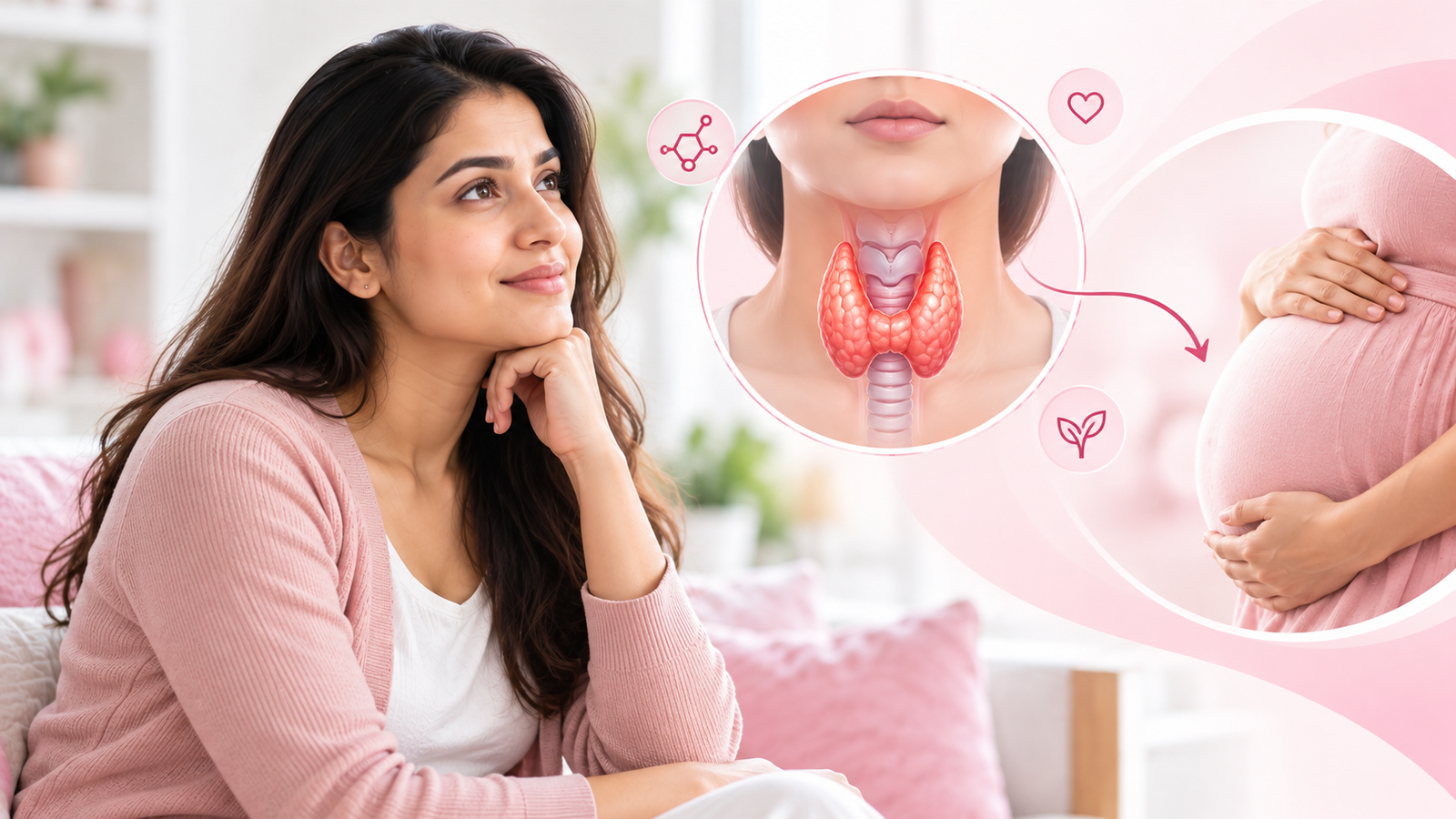
Iodine is one of the most under-discussed nutrients in pregnancy, yet it plays a crucial role in the development of your baby's thyroid gland and brain. Iodine deficiency during pregnancy is linked to cognitive impairment, hearing problems, and developmental delays in children.
Using adequately iodised salt in your cooking is the most straightforward way to meet iodine needs. However, not all salt sold in Rajkot's local markets is adequately iodised. Always check the packaging for iodine content. Dairy products like milk and curd also contribute to iodine intake.
If you are on a low-salt diet due to blood pressure concerns, or if you follow a restricted diet as part of an IVF treatment protocol, speak to your doctor about an appropriate iodine supplement. This is an area where personalised guidance from a qualified gynaecologist makes a significant difference.
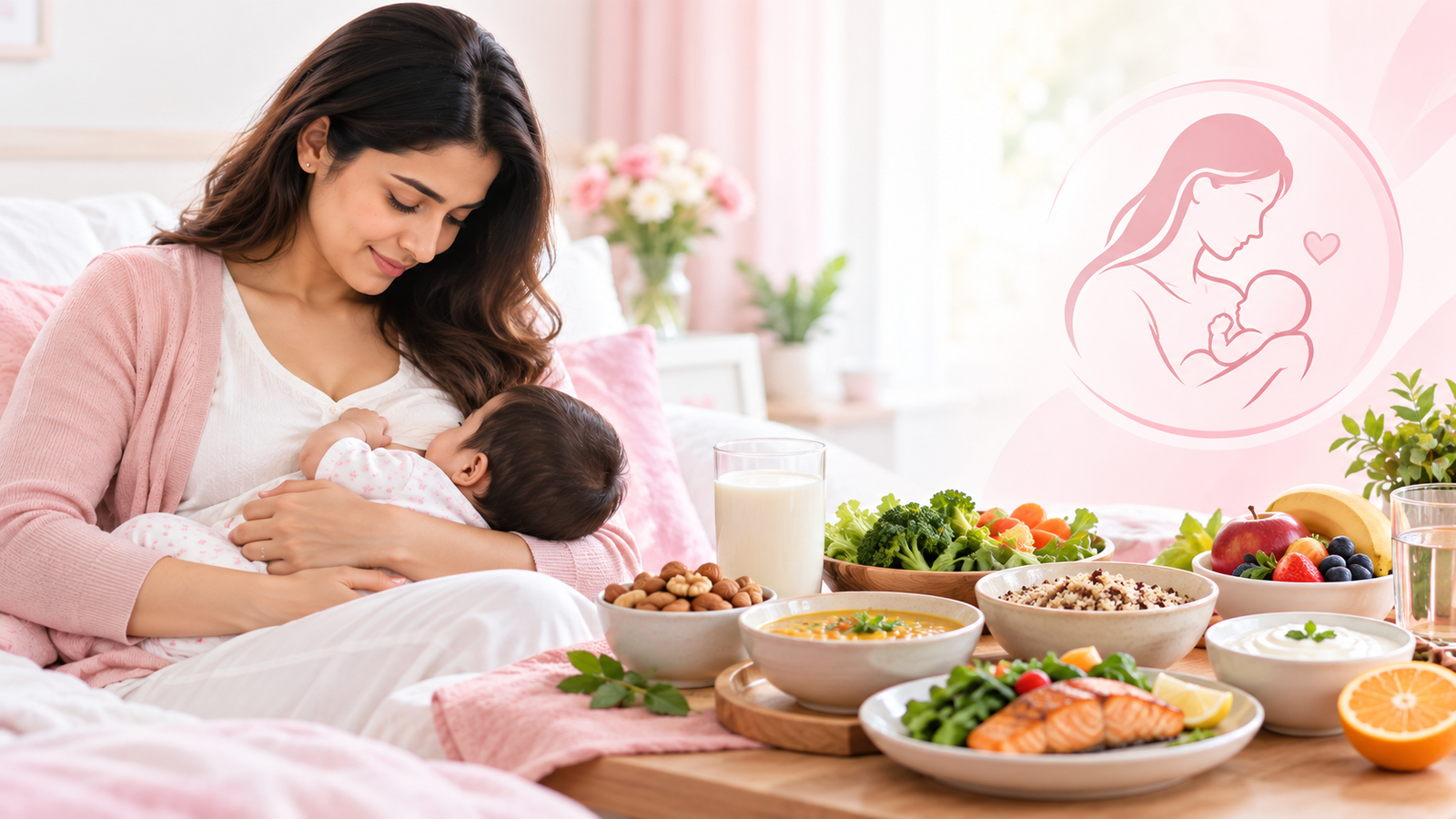
Pregnancy nutrition does not end with delivery. After delivery, your body enters a demanding recovery phase, healing from childbirth, initiating breastfeeding, managing hormonal shifts, and rebuilding depleted nutrient stores. Many mothers ask: How long does it take for your body to go back to normal after birth?
The honest answer: physical recovery typically takes 6-12 weeks, while deeper hormonal and nutritional restoration can take 6-12 months. The quality of your nutrition in this period plays a major role in how well and how quickly your body recovers.
Key nutrients to prioritise after delivery include:
Traditional Gujarati postpartum foods like gond ke ladoo, ajwain water, methi laddoos, and dry fruit halwa are rooted in centuries of wisdom - they are rich in iron, calcium, healthy fats, and galactagogues (substances that promote milk production). At Venus Women's Hospital, we believe in combining the best of traditional knowledge with modern clinical guidance for postpartum care.
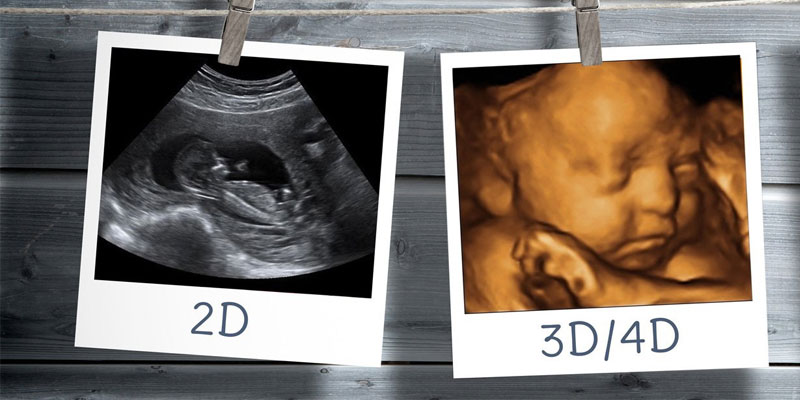
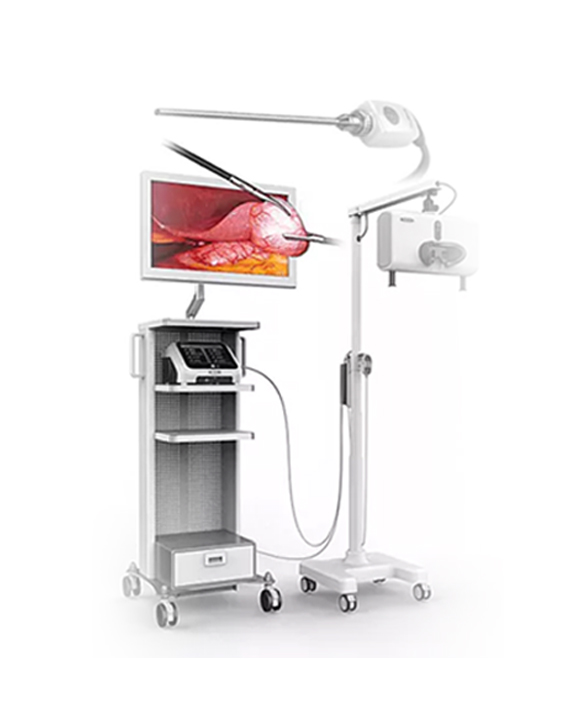
Venus Women's Hospital & IVF Center is the first-of-its-kind ultramodern advanced centre for Laparoscopy, 3D-4D Sonography, Pregnancy Care, and IVF treatment in the entire Saurashtra and Kutch region. For thousands of families across Rajkot and beyond, Venus is not just a hospital - it is the place where new lives begin.
Our team of specialist gynaecologists includes Dr. Prakash Parmar (MD OBS & GYNAEC, Advanced Endoscopic Surgeon), Dr. Sweta Patel (IVF Specialist and Sonologist), Dr. Avani Kannar (High Risk Pregnancy and Infertility Expert), and Dr. Rukesh Ghodasara (IVF Specialist with Diploma in ART from Germany). Together, they bring world-class expertise to every patient who walks through our doors.
Whether you are looking for a fertility bank near you, seeking IVF treatment, navigating a high-risk pregnancy, or simply want the very best pregnancy care in Rajkot, Venus Women's Hospital is your trusted partner through every step of your journey.
Location:- "Vijay", Ramdham-2 Corner, Near KKV Circle, Kalavad Road, Rajkot – 360005
Call:- +91 90999 00181 / 00182
Pregnancy nutrition is not about perfection - it is about making consistently better choices, day by day, with the right knowledge and the right support. The 10 tips shared in this article are grounded in both modern nutritional science and an understanding of the food culture and lifestyle of women in Rajkot.
From managing iron absorption to understanding what to eat post birth, from choosing seasonal fruits over imported ones to watching hidden salt in packaged foods, every small, intentional choice compounds into a healthier pregnancy and a smoother recovery after delivery.
At Venus Women's Hospital & IVF Center, we are committed to your health, your baby's well-being, and your family's happiness. Our doors are open - and our team of dedicated specialists is here to guide you through every stage of your motherhood journey.
.jpg)

.jpg)


.png)

.jpg)


.jpg)

.png)
.png)





.png)



.jpg)





.png)
.png)

.png)
.png)